Với hơn 10 năm kinh nghiệm về vận chuyển khí nén, Headpowder Sơn Đông cung cấp hệ thống, thiết bị và quạt gió toàn chuỗi, đảm nhận các dự án kỹ thuật bột trọn gói trên toàn quốc.
Efficient and reliable dust handling is a critical aspect of industrial operations, particularly in sectors such as manufacturing, mining, and chemical processing. The method of transporting dust and particulate materials from one location to another can significantly impact operational efficiency, safety, and overall process performance. Among the various techniques available, pneumatic conveying stands out as a versatile and effective solution for moving dry powders and fine particles. This article explores common dust conveying methods and highlights the advantages and features of HeadPowder's pneumatic conveying systems, providing insights into how these technologies enhance industrial processes.
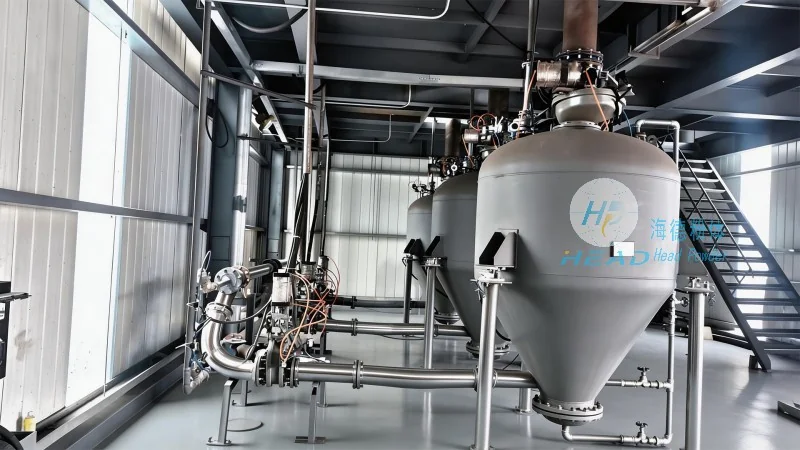
Common Dust Conveying Methods
Several approaches are employed for dust and powder transportation, each with its own set of advantages and limitations. The primary methods include mechanical conveying, such as belt conveyors and screw conveyors, and pneumatic conveying, which utilizes air or gas to transport materials. Mechanical conveying systems are often preferred for bulk materials and larger particles due to their simplicity and cost-effectiveness. However, they may face challenges in handling fine, abrasive, or sticky powders, which can lead to blockages, wear, and contamination. In contrast, pneumatic conveying offers a more flexible and controlled method for transporting a wide range of dust types, from fine powders to bulk materials.
Pneumatic Conveying: A Versatile Solution
Pneumatic conveying systems operate by using compressed air or gas to move materials through a pipeline. The process can be categorized into two main types: dilute phase and dense phase. Dilute phase conveying involves the material being suspended in the air stream, typically at high velocities, and is suitable for fine powders and low to medium bulk densities. Dense phase conveying, on the other hand, uses lower air velocities and higher material concentrations, which is ideal for handling abrasive or sensitive materials that require gentle transport. HeadPowder specializes in both dilute and dense phase pneumatic conveying systems, catering to diverse industrial needs.
Advantages of HeadPowder's Dust Pneumatic Conveying
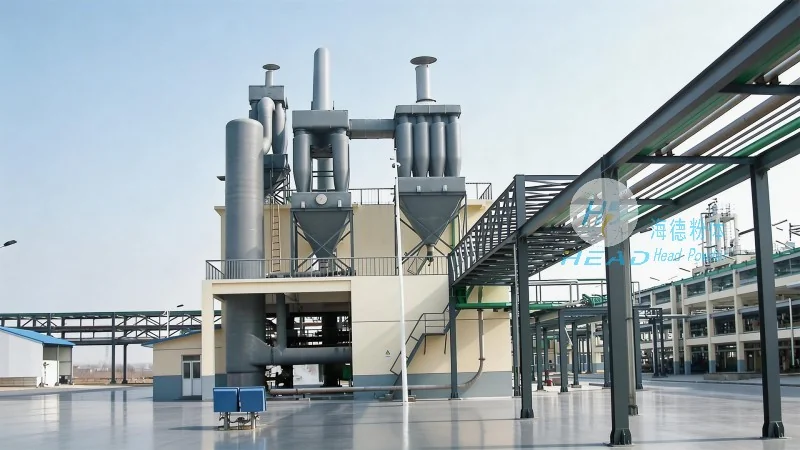
HeadPowder, a leading provider of dust handling solutions, offers advanced pneumatic conveying systems that address the challenges faced by traditional dust transport methods. The company's expertise lies in designing and manufacturing customized systems tailored to specific industrial applications. Key advantages of HeadPowder's pneumatic conveying solutions include: enhanced process control, reduced material degradation, improved safety, and increased operational efficiency. By utilizing advanced materials and engineering, HeadPowder's systems minimize product attrition and ensure consistent material quality throughout the conveying process.
Key Features of HeadPowder's Pneumatic Conveying Systems
HeadPowder's pneumatic conveying systems are equipped with several features that set them apart from conventional solutions. These include: flexible system design, allowing for integration with existing infrastructure; robust construction to withstand harsh operating conditions; and advanced control systems for precise material flow management. The company's systems are also designed for easy maintenance and low operational costs, making them a cost-effective choice for long-term dust handling needs. Additionally, HeadPowder's commitment to quality and innovation ensures that their products meet the highest industry standards and provide reliable performance over extended periods.
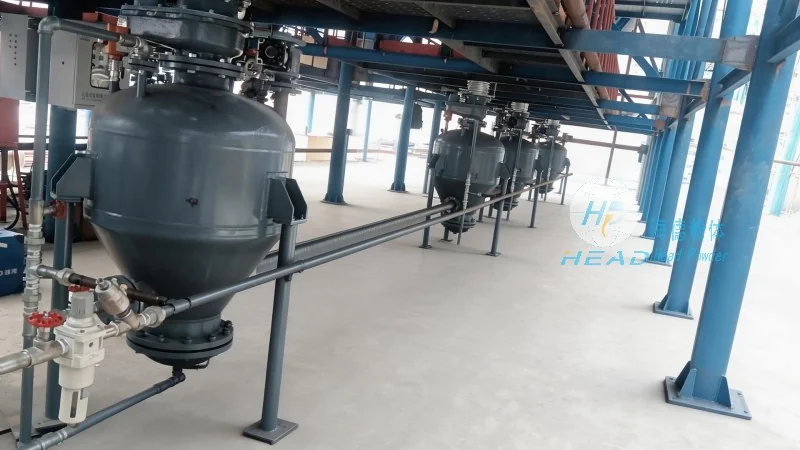
Application Examples
HeadPowder's pneumatic conveying systems are widely used in various industries, including pharmaceuticals, food processing, and chemical manufacturing. In the pharmaceutical industry, for instance, the systems are employed to transport fine powders with strict contamination control requirements. The gentle handling and enclosed design of the systems prevent cross-contamination and maintain product integrity. Similarly, in food processing, the systems ensure that powders are conveyed hygienically and without exposure to external elements. These applications highlight the versatility and reliability of HeadPowder's solutions in handling sensitive materials.
Conclusion
As industrial operations continue to evolve, the demand for efficient and reliable dust handling solutions remains high. Pneumatic conveying, particularly with advanced systems from HeadPowder, offers a superior alternative to traditional mechanical methods. By leveraging the advantages of pneumatic transport, industries can enhance operational efficiency, improve product quality, and ensure safety in their processes. HeadPowder's commitment to innovation and customer-centric solutions positions them as a trusted partner for businesses seeking to optimize their dust conveying processes. With a focus on quality, reliability, and customization, HeadPowder's pneumatic conveying systems provide a robust foundation for modern industrial applications.

 Shandong Headpowder Engineering Co., Ltd.
 156-6277-7102(Quản lý Trương)
  0531-83386006
  Thành phố Tế Nam, Tỉnh Sơn Đông, Trung Quốc
Điện thoại
WeChatTư vấn
Lên đầu