Với hơn 10 năm kinh nghiệm về vận chuyển khí nén, Headpowder Sơn Đông cung cấp hệ thống, thiết bị và quạt gió toàn chuỗi, đảm nhận các dự án kỹ thuật bột trọn gói trên toàn quốc.
When it comes to handling magnesia, a crucial material in various industrial applications, selecting the right conveying method is essential for efficiency, safety, and cost-effectiveness. Magnesia, often used in refractory production, steelmaking, and other high-temperature processes, requires specialized handling due to its properties. Among the various options available, pneumatic conveying stands out as a preferred solution for many industries. This article explores common magnesia conveying methods and highlights the advantages and features of HeadPowder's pneumatic conveying system, a leading solution from Shandong HeadPowder Engineering Co., Ltd. based in China.
Understanding Magnesia and Conveying Challenges
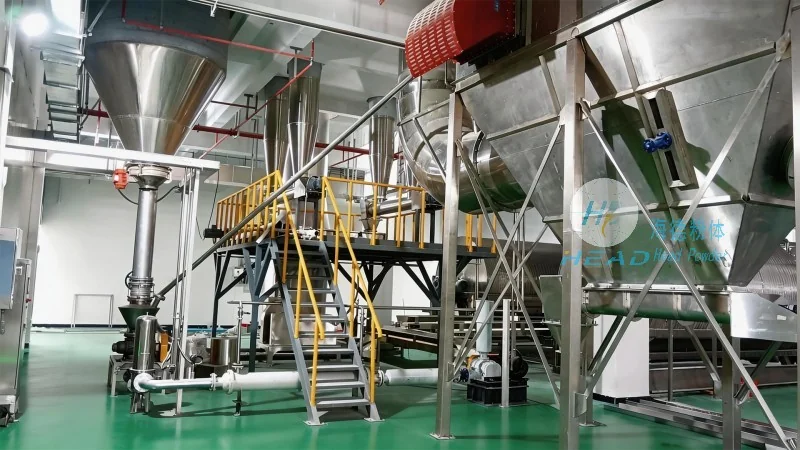
Magnesia, chemically known as magnesium oxide (MgO), is a white or off-white powder with high refractoriness and chemical stability. Its applications span from refractory bricks and linings to steelmaking fluxes and environmental applications. However, the material's fine particle size, dustiness, and potential reactivity during handling pose challenges for traditional conveying methods. Conventional methods like bucket elevators or belt conveyors may struggle with dust control, material degradation, and operational inefficiencies, especially when dealing with large volumes or long distances. These challenges make pneumatic conveying an attractive alternative for many magnesia handling operations.
Common Magnesia Conveying Methods
Several methods are employed for magnesia transport, each with its own set of advantages and limitations. The primary options include:
1. Mechanical Conveyors (Belt, Screw, and Bucket Elevators): These systems use mechanical components to move magnesia. Belt conveyors are suitable for horizontal or slight incline transport, while screw conveyors are ideal for vertical or limited horizontal movement. Bucket elevators are effective for vertical transport but may generate significant dust and require regular maintenance. While these methods are relatively low-cost, they often suffer from issues like material buildup, wear and tear, and poor dust containment, which can impact product quality and worker safety.
2. Hydraulic Conveying: This method uses water or other fluids to transport magnesia through pipelines. It is effective for long-distance transport and can handle wet or sticky materials. However, hydraulic systems require extensive infrastructure, regular cleaning, and can be less efficient for dry powders like magnesia, as the material may settle or clog the pipelines over time.
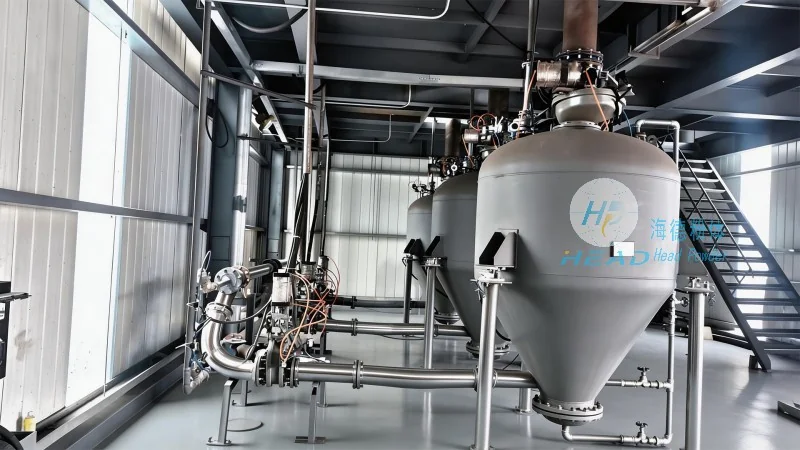
3. Pneumatic Conveying: Pneumatic systems use air or other gases to transport magnesia through pipelines. This method offers several benefits, including high efficiency, minimal material degradation, and excellent dust control. Pneumatic conveying can handle fine powders, abrasive materials, and large volumes with ease, making it a popular choice for magnesia handling. However, the initial investment and energy consumption can be higher compared to mechanical systems.
HeadPowder's Pneumatic Conveying System: Advantages and Features
HeadPowder, a leading manufacturer of material handling solutions from Shandong, China, offers a specialized pneumatic conveying system designed specifically for magnesia. The system incorporates advanced technology and engineering to address the unique challenges of magnesia transport, ensuring optimal performance and reliability.
Efficient Material Handling: The system is engineered to handle magnesia with minimal degradation, preserving the material's quality and properties. This is crucial for applications where the refractory or chemical characteristics of magnesia are critical. The design minimizes particle breakage and agglomeration, ensuring consistent product quality throughout the conveying process.
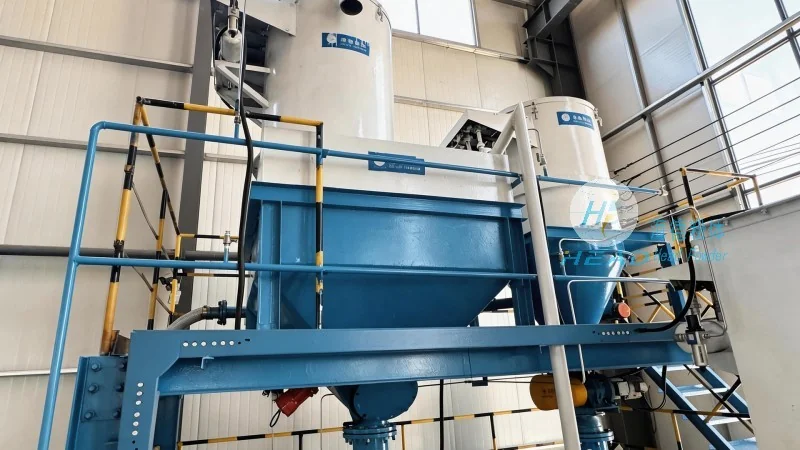
Advanced Dust Control: Magnesia is a fine powder that can generate significant dust during handling. HeadPowder's system incorporates state-of-the-art dust collection and filtration technologies to maintain a clean and safe working environment. The enclosed pipeline system and efficient filtration reduce airborne dust, protecting both the material and personnel from exposure to fine particles.
Energy Efficiency and Low Maintenance: The pneumatic conveying system is designed for energy efficiency, using optimized air flow and pressure control to minimize energy consumption. Additionally, the system features durable components and a modular design that simplifies maintenance and reduces downtime. This results in lower operational costs and increased productivity over the system's lifespan.
Customizable Solutions: HeadPowder understands that each magnesia handling operation has unique requirements. The company offers customizable pneumatic conveying systems tailored to specific process needs, including different pipeline configurations, material feed mechanisms, and control systems. This flexibility ensures that the system integrates seamlessly with existing production lines and meets the exact conveying demands of the application.
Conclusion
Choosing the right magnesia conveying method is vital for industrial operations. While mechanical and hydraulic systems have their uses, pneumatic conveying, particularly with advanced solutions like HeadPowder's system, offers significant advantages in efficiency, material protection, and safety. Shandong HeadPowder Engineering Co., Ltd., based in China, provides a reliable and effective pneumatic conveying system that addresses the challenges of magnesia handling, making it an ideal choice for industries relying on this essential material. By investing in a high-quality pneumatic conveying system, businesses can enhance their operational efficiency, maintain product quality, and ensure a safe working environment for their personnel.

 Shandong Headpowder Engineering Co., Ltd.
 156-6277-7102(Quản lý Trương)
  0531-83386006
  Thành phố Tế Nam, Tỉnh Sơn Đông, Trung Quốc
Điện thoại
WeChatTư vấn
Lên đầu