Với hơn 10 năm kinh nghiệm về vận chuyển khí nén, Headpowder Sơn Đông cung cấp hệ thống, thiết bị và quạt gió toàn chuỗi, đảm nhận các dự án kỹ thuật bột trọn gói trên toàn quốc.
When designing a pneumatic conveying system for carbon black and coal powder, it is crucial to consider several key factors to ensure efficiency, reliability, and cost-effectiveness. The system must be tailored to the specific properties of the materials, such as particle size, moisture content, and flow characteristics. This article provides a comprehensive guide to designing a rational carbon black and coal powder pneumatic conveying system, focusing on the technical aspects and practical considerations.
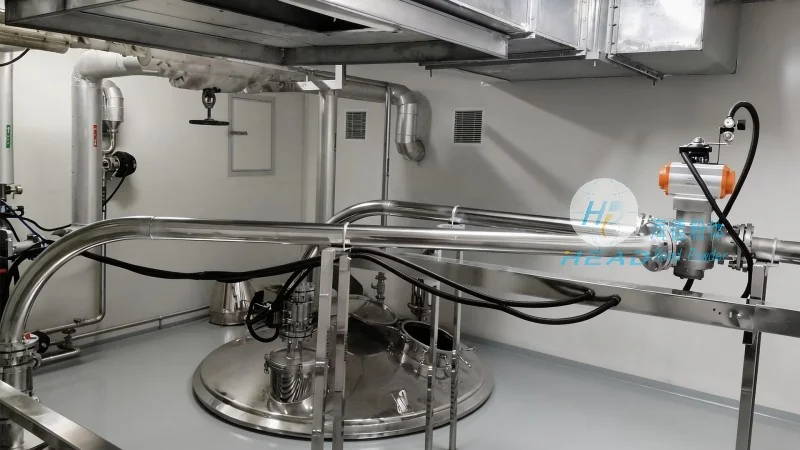
Key Design Considerations for Pneumatic Conveying Systems
Several critical factors influence the performance of a pneumatic conveying system for carbon black and coal powder. First, the selection of the conveying method—whether it is dilute phase or dense phase—depends on the material's characteristics and the required distance and pressure. Dilute phase systems are suitable for short distances and low pressure, while dense phase systems are ideal for longer distances or when handling abrasive materials. The choice of air velocity is another critical parameter; it must be sufficient to keep the particles suspended but not so high as to cause excessive wear on the system components. Additionally, the system's material of construction is vital, as carbon black and coal powder can be abrasive and corrosive. Stainless steel or special alloys are often recommended to withstand the wear and potential chemical interactions.
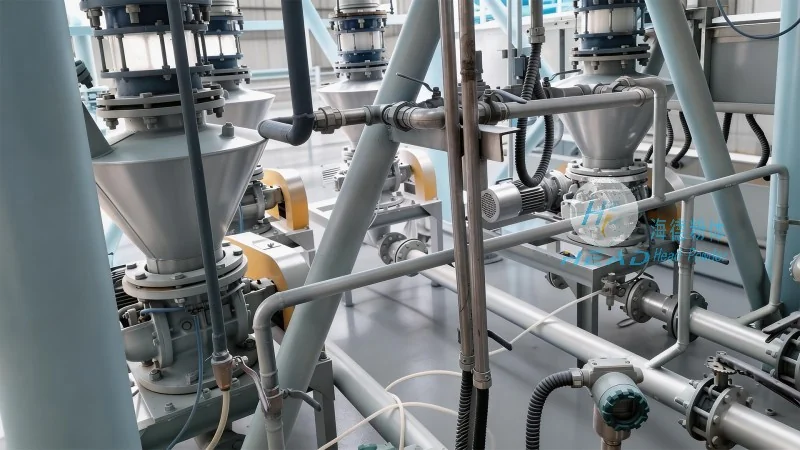
System Components and Their Roles
A pneumatic conveying system typically consists of several key components, each playing a vital role in the overall operation. The material feed hopper is the first component, where the carbon black or coal powder is stored and fed into the system. It must be designed to prevent material bridging and ensure a consistent flow. The feeder, such as a rotary valve or a screw feeder, controls the flow rate of the material into the conveying line. The conveying line itself is where the material is transported by the air stream. The air compressor or blower provides the necessary pressure and volume of air to move the material. The system may also include a filter or cyclone to separate the material from the air at the end of the line, preventing dust emissions and protecting the compressor. Finally, the control system manages the operation of all components, ensuring safe and efficient operation.
Design Process and Calculations
The design process for a carbon black and coal powder pneumatic conveying system involves several steps and calculations. First, the material properties are analyzed, including particle size distribution, density, and moisture content. These properties determine the appropriate conveying method and air velocity. Next, the system's capacity is determined based on the required throughput. The pressure drop across the system components is calculated to ensure the compressor can provide sufficient pressure. The air flow rate is then determined to achieve the desired velocity and pressure. The system's layout is designed to minimize the number of bends and changes in direction, as these can cause pressure losses and material degradation. Finally, the system is sized and selected based on the calculations and material properties.
Case Study: A Successful Carbon Black Pneumatic Conveying System
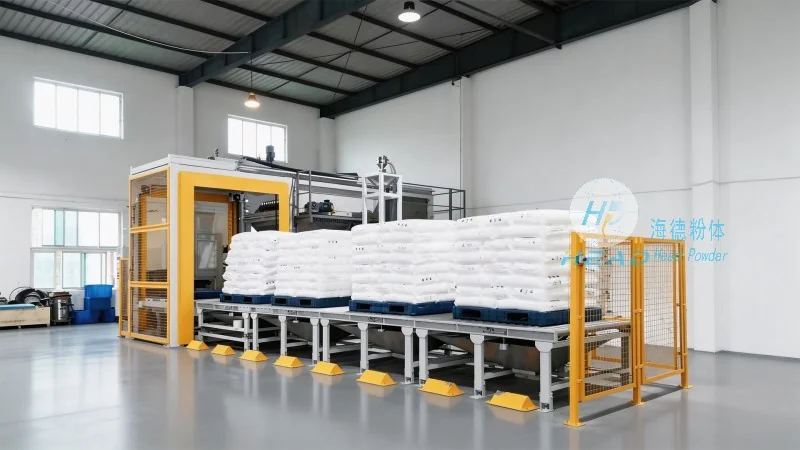
Shandong HeadPowder Engineering Co., Ltd. has successfully designed and implemented a pneumatic conveying system for a carbon black processing plant. The system was designed to transport carbon black from a storage silo to a processing unit over a distance of 100 meters. The system used a dilute phase conveying method with a stainless steel conveying line and a high-efficiency filter. The air compressor was selected based on the required pressure and flow rate, and the feeder was adjusted to maintain a consistent flow rate. The system operated efficiently for over two years, with minimal maintenance and no material loss. This case study demonstrates the effectiveness of a well-designed pneumatic conveying system for carbon black and coal powder.
Conclusion and Recommendations
Designing a rational carbon black and coal powder pneumatic conveying system requires careful consideration of the material properties, system components, and operational requirements. By following the guidelines and calculations outlined in this article, engineers can design a system that is efficient, reliable, and cost-effective. It is recommended to consult with experienced engineers and use high-quality components to ensure the system's longevity and performance. Shandong HeadPowder Engineering Co., Ltd. offers professional design and implementation services for pneumatic conveying systems, ensuring that clients receive a tailored solution that meets their specific needs.

 Shandong Headpowder Engineering Co., Ltd.
 156-6277-7102(Quản lý Trương)
  0531-83386006
  Thành phố Tế Nam, Tỉnh Sơn Đông, Trung Quốc
Điện thoại
WeChatTư vấn
Lên đầu