Với hơn 10 năm kinh nghiệm về vận chuyển khí nén, Headpowder Sơn Đông cung cấp hệ thống, thiết bị và quạt gió toàn chuỗi, đảm nhận các dự án kỹ thuật bột trọn gói trên toàn quốc.
When managing small bean handling processes, selecting the appropriate pneumatic conveying system is crucial for efficiency, reliability, and cost-effectiveness. The right system ensures smooth material transport from storage to processing or packaging stages, minimizing downtime and operational risks. This guide outlines key considerations and factors to help you choose a suitable system tailored to your specific small bean processing needs.
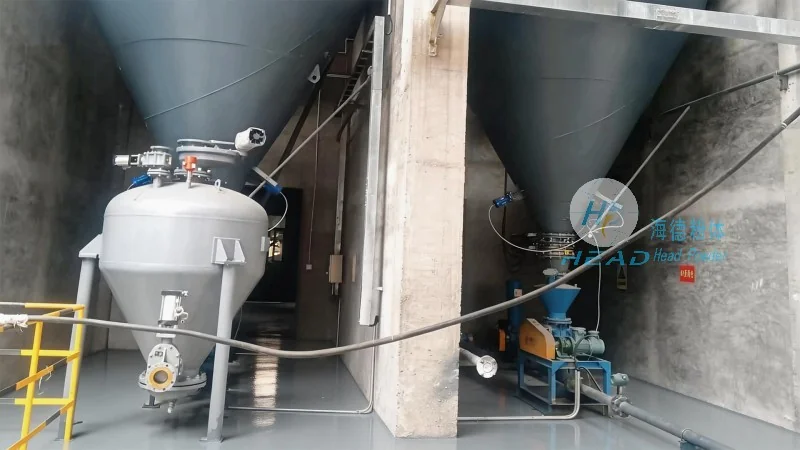
Understanding the Core Requirements of Small Bean Handling
Small beans, such as coffee beans, cocoa beans, or other similar agricultural products, have distinct characteristics that influence the choice of a pneumatic conveying system. These characteristics include particle size, moisture content, bulk density, and flowability. For instance, smaller beans may require systems with finer filtration and more precise control to prevent blockages or material degradation. Additionally, the handling environment—whether indoor or outdoor, and the distance between storage and processing areas—plays a critical role in determining the system's design and capacity.
Key Factors in Choosing a Pneumatic Conveying System
Several factors must be evaluated when selecting a pneumatic conveying system for small bean handling. The first is the system type: positive pressure, negative pressure, or a combination of both. Positive pressure systems use a blower to push material through the pipeline, which is ideal for long-distance or high-capacity applications. Negative pressure systems, on the other hand, use a vacuum to draw material, suitable for short distances or when material needs to be collected from multiple points. The choice depends on the layout of your facility and the specific flow requirements.
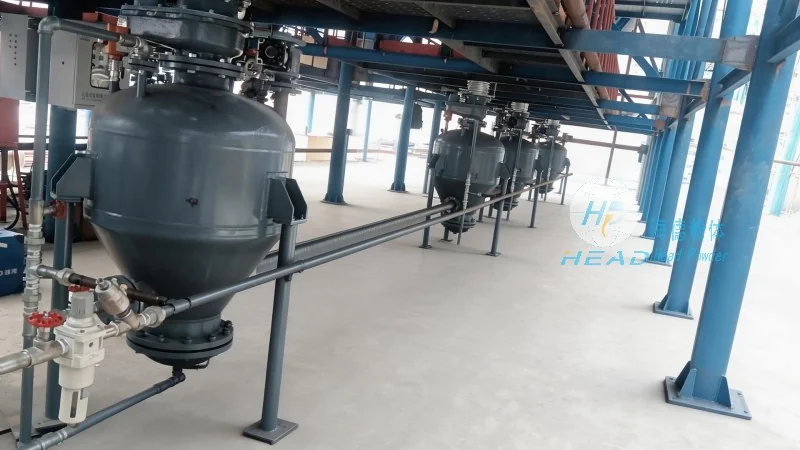
Another critical factor is the material's properties. Small beans often have varying sizes and shapes, which can affect how they move through the system. Systems with adjustable air velocities and pressure differentials help maintain consistent flow rates, preventing material buildup or degradation. Furthermore, the system's capacity—measured in cubic meters per hour or tons per hour—must align with your production volume. Overloading the system can lead to reduced efficiency and increased maintenance costs.
Components and Design Considerations
A pneumatic conveying system for small beans typically consists of several key components, including a hopper, feeder, pipeline, air mover (blower or vacuum pump), and a separator or filter. The hopper is designed to store the small beans and feed them into the system at a controlled rate. The feeder, often a rotary valve or screw feeder, ensures a steady flow of material into the pipeline. The pipeline's diameter and material (e.g., stainless steel or PVC) are chosen based on the bean size and flow rate to minimize friction and pressure drop.
The air mover is a critical component that provides the necessary pressure or vacuum to transport the material. For positive pressure systems, a high-pressure blower is used, while negative pressure systems rely on a vacuum pump. The selection of the air mover depends on the system's capacity and the required pressure differential. Additionally, the separator or filter at the end of the pipeline removes any fine particles or dust from the air, ensuring a clean and safe operation environment.
Benefits of Choosing the Right System
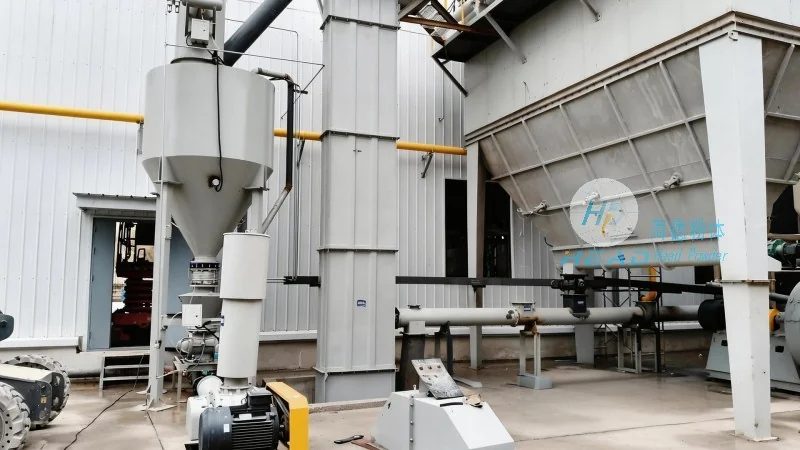
Implementing an appropriately designed pneumatic conveying system for small bean handling offers numerous benefits. Firstly, it enhances operational efficiency by reducing manual handling and labor costs. Automated systems can transport material quickly and consistently, aligning with production schedules. Secondly, it improves product quality by minimizing material contact with external elements and reducing the risk of contamination or damage. The controlled environment of a pneumatic system also helps maintain the bean's moisture content and flavor profile, which is essential for high-quality products.
Furthermore, the right system reduces maintenance and operational costs over time. Properly sized and designed systems operate within optimal parameters, reducing wear and tear on components and minimizing the need for frequent repairs. This leads to lower downtime and higher overall productivity. Additionally, energy efficiency is a key consideration, as modern systems use advanced technology to optimize air usage and reduce energy consumption.
Conclusion and Recommendations
Choosing the right pneumatic conveying system for your small bean handling process requires careful evaluation of material properties, operational requirements, and system components. By considering factors such as system type, capacity, and material characteristics, you can select a system that meets your needs efficiently and reliably. For expert guidance and customized solutions, consider consulting with industry professionals at Shandong HeadPowder Engineering Co., Ltd., a company with extensive experience in designing and implementing pneumatic conveying systems for agricultural products. With their expertise, you can ensure that your small bean handling process is optimized for performance, quality, and cost-effectiveness.

 Shandong Headpowder Engineering Co., Ltd.
 156-6277-7102(Quản lý Trương)
  0531-83386006
  Thành phố Tế Nam, Tỉnh Sơn Đông, Trung Quốc
Điện thoại
WeChatTư vấn
Lên đầu