Với hơn 10 năm kinh nghiệm về vận chuyển khí nén, Headpowder Sơn Đông cung cấp hệ thống, thiết bị và quạt gió toàn chuỗi, đảm nhận các dự án kỹ thuật bột trọn gói trên toàn quốc.
When it comes to designing an efficient and reliable pneumatic conveying system for vinyl ester resin, understanding the key components and design principles is crucial. Vinyl ester resins are widely used in various industrial applications due to their excellent chemical resistance and mechanical properties. However, the proper design of a pneumatic conveying system ensures optimal performance, minimal material degradation, and cost-effectiveness. This article will explore the essential considerations and steps involved in creating a well-designed vinyl ester resin pneumatic conveying system.
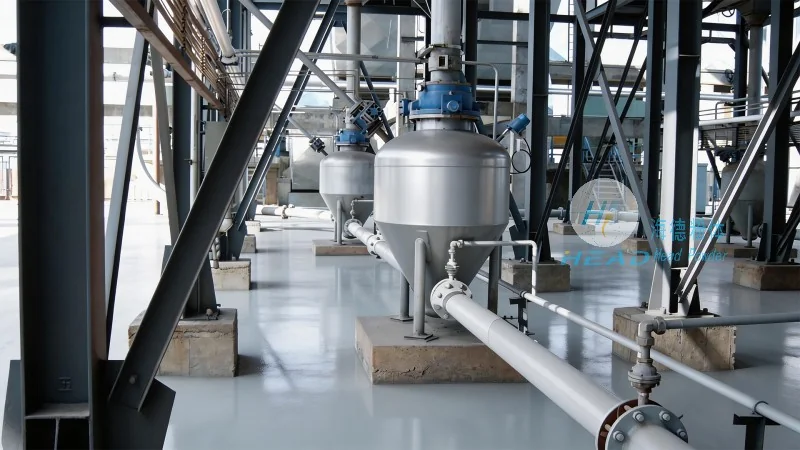
Key Components of Vinyl Ester Resin Pneumatic Conveying Systems
A pneumatic conveying system for vinyl ester resin typically consists of several critical components that work in harmony to transport the material from the source to the destination. The main components include the hopper or feeder, the conveying line (usually made of corrosion-resistant materials), the air supply system (blowers or compressors), and the control system. The hopper is designed to feed the resin consistently into the system, while the conveying line must be constructed from materials that can withstand the corrosive nature of vinyl ester resins. For instance, materials like stainless steel or specialized polymers are commonly used to prevent material degradation and system failure. The air supply system provides the necessary pressure and flow rate to move the resin through the line, and the control system ensures smooth operation and safety.
Design Considerations for Vinyl Ester Resin Pneumatic Conveying
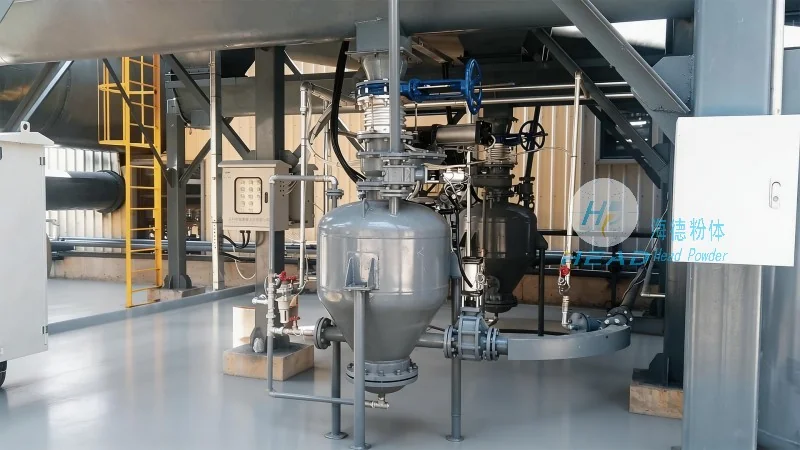
Designing a pneumatic conveying system for vinyl ester resin requires careful consideration of several factors to ensure optimal performance and longevity. First, the system must be designed to handle the specific properties of vinyl ester resins, such as their viscosity and particle size. The particle size distribution is critical because it affects the flow characteristics and the required air velocity for effective conveying. Additionally, the system must be designed to prevent material buildup and blockages, which can lead to system downtime and maintenance issues. This involves selecting appropriate hopper designs, such as conical or wedge-shaped hoppers, to promote smooth material flow. The conveying line diameter and length are also important factors, as they impact the air velocity and pressure required to move the resin. Proper sizing ensures that the system operates efficiently without excessive energy consumption or material degradation. Furthermore, the system must be equipped with appropriate safety features, such as pressure relief valves and dust collection systems, to prevent accidents and maintain a safe working environment.
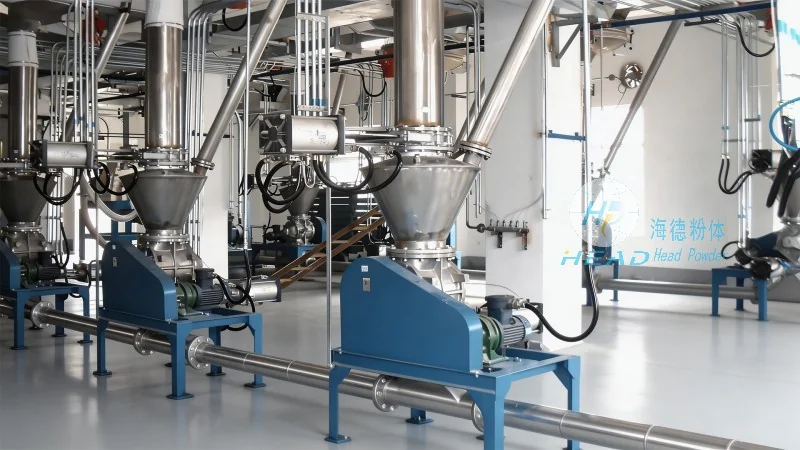
Application Scenarios and Benefits of Vinyl Ester Resin Pneumatic Conveying
Vinyl ester resin pneumatic conveying systems are widely used in various industrial applications, including the manufacturing of composites, coatings, and adhesives. In composite manufacturing, these systems are used to transport vinyl ester resins to the mixing and casting processes, ensuring consistent material quality and reducing manual handling risks. The benefits of using a well-designed pneumatic conveying system include improved material handling efficiency, reduced labor costs, and enhanced product quality. Additionally, the system minimizes material exposure to air and moisture, which can affect the resin's properties. The use of corrosion-resistant materials in the system components also extends the system's lifespan and reduces maintenance costs over time. For industries that require high-purity vinyl ester resins, the system's design ensures that the material remains uncontaminated throughout the conveying process, which is crucial for applications like aerospace and marine manufacturing.
About Shandong HeadPowder Engineering Co., Ltd.
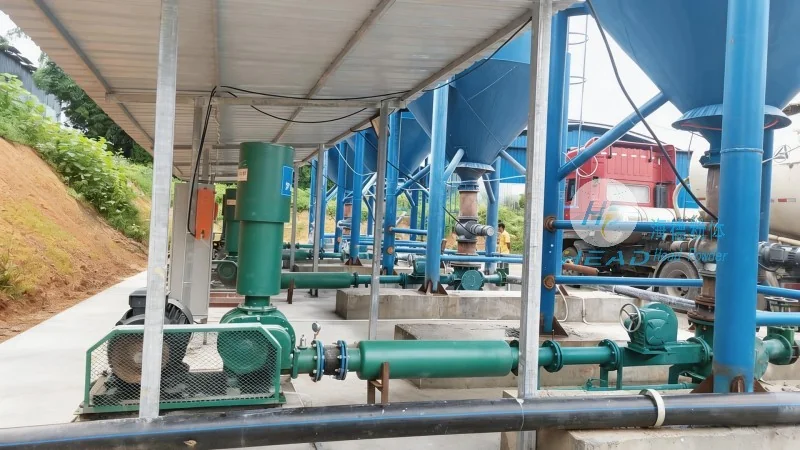
Shandong HeadPowder Engineering Co., Ltd., commonly known as HeadPowder, is a leading provider of engineering solutions for material handling and processing systems. With a focus on innovation and quality, HeadPowder specializes in designing and manufacturing pneumatic conveying systems for various industrial applications. The company's expertise lies in understanding the unique properties of different materials, such as vinyl ester resins, and developing customized solutions that meet the specific needs of clients. HeadPowder's team of experienced engineers and technicians work closely with clients to assess their material handling requirements and design systems that optimize performance, safety, and cost-effectiveness. The company is committed to providing reliable and durable systems that enhance production efficiency and reduce operational costs. HeadPowder's facilities are located in Shandong, China, where the company maintains a strong presence in the material handling industry.

 Shandong Headpowder Engineering Co., Ltd.
 156-6277-7102(Quản lý Trương)
  0531-83386006
  Thành phố Tế Nam, Tỉnh Sơn Đông, Trung Quốc
Điện thoại
WeChatTư vấn
Lên đầu