Với hơn 10 năm kinh nghiệm về vận chuyển khí nén, Headpowder Sơn Đông cung cấp hệ thống, thiết bị và quạt gió toàn chuỗi, đảm nhận các dự án kỹ thuật bột trọn gói trên toàn quốc.
When it comes to transporting cement efficiently and safely, the design of a pneumatic conveying system plays a crucial role. A well-designed system ensures optimal performance, minimal downtime, and cost-effectiveness in industrial applications. This article will explore the key considerations and steps involved in creating a reasonable cement pneumatic conveying system plan, with a focus on the expertise and solutions provided by Shandong HeadPowder Engineering Co., Ltd., a leading company in the field.
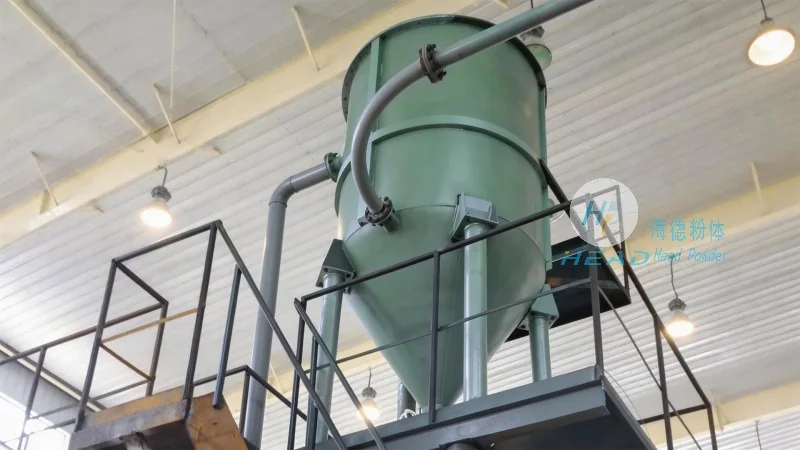
Understanding the Core Principles of Cement Pneumatic Conveying
The first step in designing a cement pneumatic conveying system is to understand the fundamental principles of how such systems operate. Pneumatic conveying systems use air or gas to transport bulk materials like cement from one location to another. There are two main types of systems: dilute phase and dense phase. Dilute phase systems rely on high-velocity air to move the material, while dense phase systems use lower air velocities and higher pressure to ensure more controlled and gentle material transport. The choice between these systems depends on factors such as the distance of transport, the required flow rate, and the characteristics of the cement being handled.
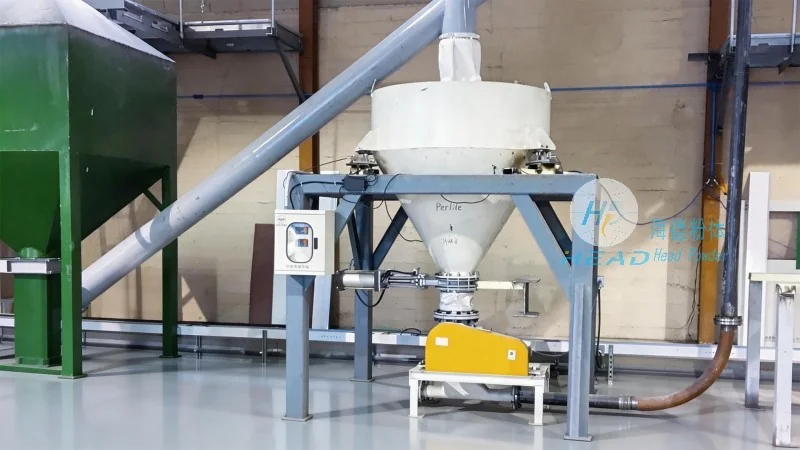
Key Factors to Consider in System Design
Several critical factors must be considered when designing a cement pneumatic conveying system. The first is the material characteristics of the cement, including its particle size distribution, moisture content, and flowability. These properties directly impact the system's design, as different cement types may require different conveying methods to prevent issues like blockages or degradation. The second factor is the distance and layout of the conveying route. The system must be designed to accommodate the required length and any changes in elevation or direction. Third, the required flow rate and capacity are essential, as they determine the size of the equipment, such as the air compressor and the conveying lines. Finally, the system's integration with existing infrastructure and the need for maintenance and operational flexibility should be taken into account.
System Components and Their Roles
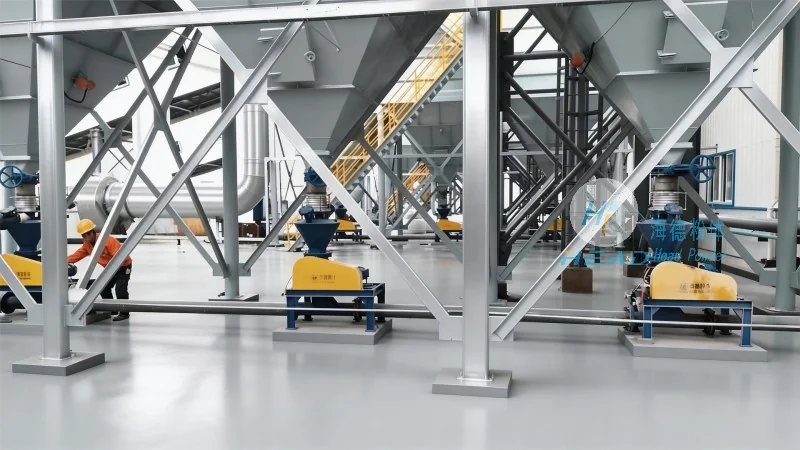
A cement pneumatic conveying system consists of several key components, each playing a vital role in the overall operation. The primary components include the material feed hopper, which holds the cement and regulates the flow into the system. The air compressor provides the necessary pressure and volume of air to move the material. The conveying line, typically made of stainless steel or other corrosion-resistant materials, transports the cement from the feed point to the discharge point. The system may also include a filter or dust collector to capture any airborne particles and ensure compliance with environmental regulations. Additionally, control valves and sensors are used to monitor and adjust the system's performance in real-time, ensuring smooth and efficient operation.
Design Process and Expert Guidance
Designing a cement pneumatic conveying system is a complex process that requires careful planning and expertise. Shandong HeadPowder Engineering Co., Ltd. offers comprehensive services to assist clients in this process. The company's team of engineers and technicians work closely with clients to assess their specific needs and provide tailored solutions. The design process typically involves site surveys, material analysis, and the development of a detailed system layout. HeadPowder's engineers consider all relevant factors, including the system's capacity, pressure requirements, and environmental impact, to ensure the final design meets the client's expectations and operational requirements.
Ensuring Reliability and Efficiency
Reliability and efficiency are paramount when it comes to cement pneumatic conveying systems. A well-designed system minimizes the risk of downtime due to blockages or equipment failure. Regular maintenance and proper operation are essential to maintain the system's performance. Shandong HeadPowder Engineering Co., Ltd. provides ongoing support and maintenance services to ensure that the system operates at peak efficiency throughout its lifespan. The company's commitment to quality and customer satisfaction ensures that clients receive a reliable and durable system that meets their long-term needs.
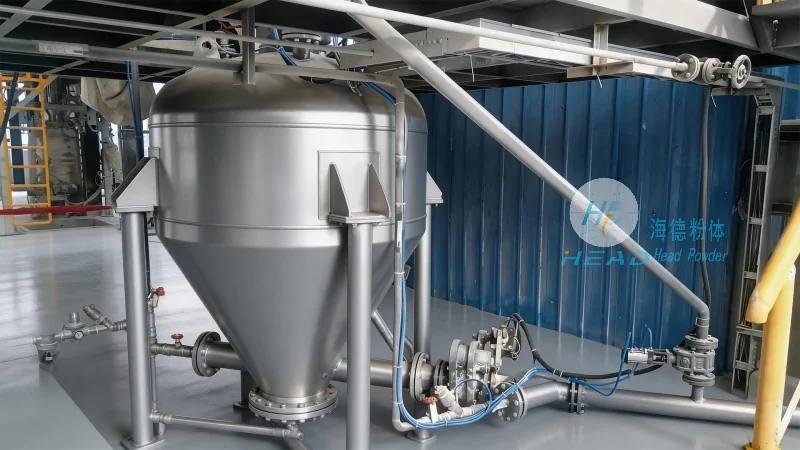
Conclusion
Designing a reasonable cement pneumatic conveying system plan is a critical step in ensuring efficient and safe cement transport. By considering the material characteristics, system layout, and required performance, along with expert guidance from companies like Shandong HeadPowder Engineering Co., Ltd., clients can achieve optimal results. The key is to balance the system's capacity, pressure, and operational flexibility to meet the specific demands of their industrial application. With the right design and support, cement pneumatic conveying systems can provide reliable and cost-effective solutions for bulk material transport in various industries.

 Shandong Headpowder Engineering Co., Ltd.
 156-6277-7102(Quản lý Trương)
  0531-83386006
  Thành phố Tế Nam, Tỉnh Sơn Đông, Trung Quốc
Điện thoại
WeChatTư vấn
Lên đầu