Với hơn 10 năm kinh nghiệm về vận chuyển khí nén, Headpowder Sơn Đông cung cấp hệ thống, thiết bị và quạt gió toàn chuỗi, đảm nhận các dự án kỹ thuật bột trọn gói trên toàn quốc.
When it comes to handling carbon materials, selecting the right conveying method is crucial for efficiency, safety, and cost-effectiveness. Carbon materials, including carbon powders, carbon black, and other related substances, often require specialized handling due to their properties such as fine particle size, dustiness, and potential reactivity. In industrial settings, various conveying methods are employed to transport these materials from one location to another. This article provides an overview of common carbon material conveying methods, with a focus on carbon pneumatic conveying as a key solution.
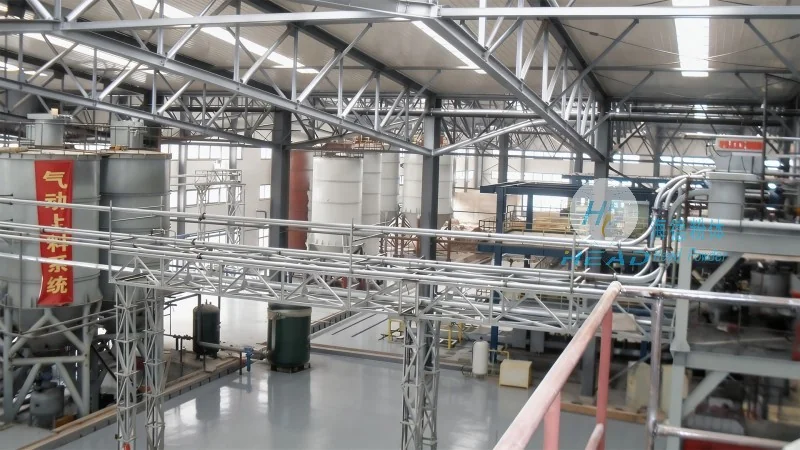
Understanding Carbon Pneumatic Conveying
Carbon pneumatic conveying is a widely used technique for transporting carbon materials through a pipeline using air or other gases. This method offers several advantages over traditional mechanical conveying systems. For instance, it eliminates the need for moving parts in contact with the material, reducing wear and tear and minimizing the risk of contamination. Additionally, pneumatic conveying can handle a wide range of particle sizes and flow rates, making it suitable for diverse carbon material applications.
Key Components of Carbon Pneumatic Conveying Systems
Effective carbon pneumatic conveying systems typically consist of several key components. These include a material feed hopper, a conveying line (usually made of stainless steel or other corrosion-resistant materials), a blower or air compressor to generate the necessary airflow, and a receiver or discharge hopper at the destination. The system may also incorporate additional components such as filters, cyclones, or rotary valves to manage dust and ensure smooth material flow. Each component plays a critical role in the overall performance and reliability of the conveying process.
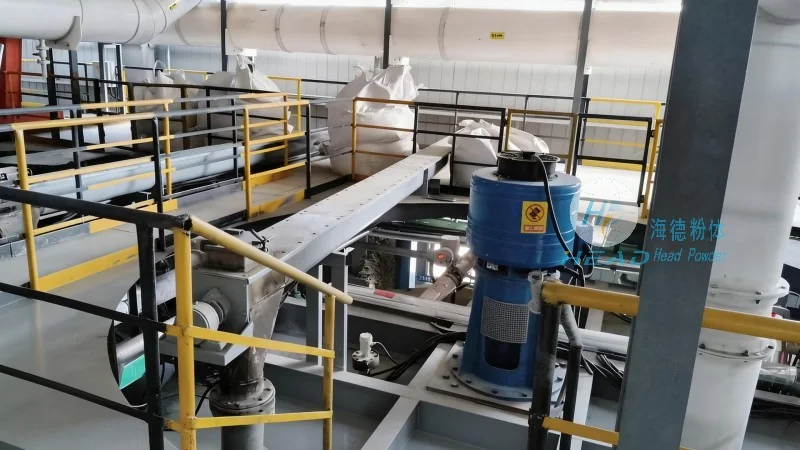
Advantages of Carbon Pneumatic Conveying
There are numerous benefits associated with using carbon pneumatic conveying for material transport. One of the primary advantages is the ability to handle fine and abrasive carbon particles without causing excessive wear on equipment. This is particularly important for materials like carbon black, which can be highly abrasive and damaging to traditional mechanical conveyors. Another advantage is the reduced risk of product contamination, as the conveying process is enclosed and isolated from the environment. Furthermore, pneumatic conveying systems can be easily integrated into existing production lines, allowing for seamless material transfer between processing stages.
Applications in Carbon Industry
Carbon pneumatic conveying is widely used in various applications within the carbon industry. For example, in the production of carbon black, pneumatic conveying is essential for transporting raw materials and finished products between reactors, storage tanks, and processing units. Similarly, in battery manufacturing, where carbon materials are used as electrodes, pneumatic conveying ensures efficient and safe transport of these materials to the production lines. Other applications include the handling of carbon powders in research and development labs, as well as in the production of carbon-based additives for various industries.
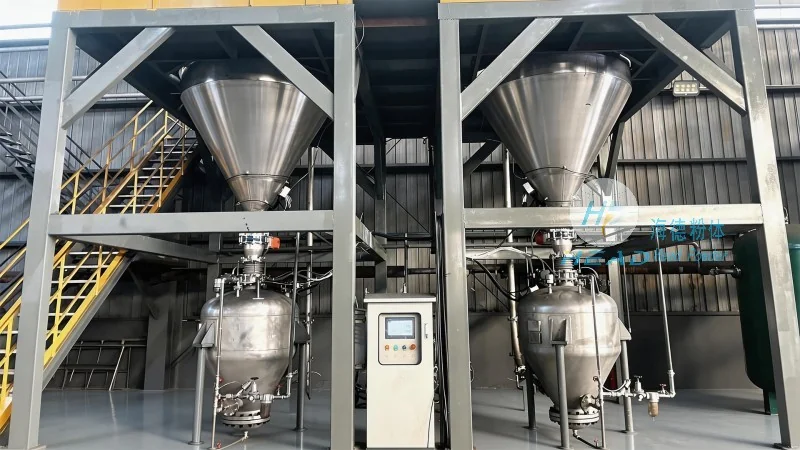
Considerations for Implementing Carbon Pneumatic Conveying
While carbon pneumatic conveying offers many benefits, there are several factors to consider when implementing such a system. One important consideration is the particle size and moisture content of the carbon material, as these can affect the system's performance and efficiency. For instance, very fine particles may require higher air velocities to prevent clogging, while high moisture content can lead to increased friction and potential blockages. Another consideration is the system's capacity and flow rate requirements, which must be matched to the production needs of the facility. Additionally, the selection of appropriate materials for the conveying line and components is critical to ensure durability and resistance to corrosion from the carbon material.
About Shandong HeadPowder Engineering Co., Ltd.
Shandong HeadPowder Engineering Co., Ltd., operating under the brand name HeadPowder, is a leading provider of specialized conveying solutions for the carbon industry. With a focus on innovation and quality, HeadPowder offers a range of carbon pneumatic conveying systems tailored to meet the unique needs of its clients. The company's expertise in material handling and industrial engineering ensures that its products are reliable, efficient, and designed to enhance operational performance. HeadPowder's commitment to customer satisfaction and technical excellence has made it a trusted partner for businesses seeking effective solutions for carbon material transport.

 Shandong Headpowder Engineering Co., Ltd.
 156-6277-7102(Quản lý Trương)
  0531-83386006
  Thành phố Tế Nam, Tỉnh Sơn Đông, Trung Quốc
Điện thoại
WeChatTư vấn
Lên đầu