Với hơn 10 năm kinh nghiệm về vận chuyển khí nén, Headpowder Sơn Đông cung cấp hệ thống, thiết bị và quạt gió toàn chuỗi, đảm nhận các dự án kỹ thuật bột trọn gói trên toàn quốc.
Gypsum calcined, also known as hemihydrate gypsum, is a vital material in industries such as construction, pharmaceuticals, and food processing. Efficient and reliable conveying of this material is essential to maintain production efficiency and product quality. This article provides a detailed comparison of common gypsum calcined conveying methods, focusing on the advantages, disadvantages, and practical applications of each approach. The analysis is based on industry standards and real-world operational experiences, offering insights for businesses seeking to optimize their material handling processes.
Overview of Gypsum Calcined Conveying Challenges
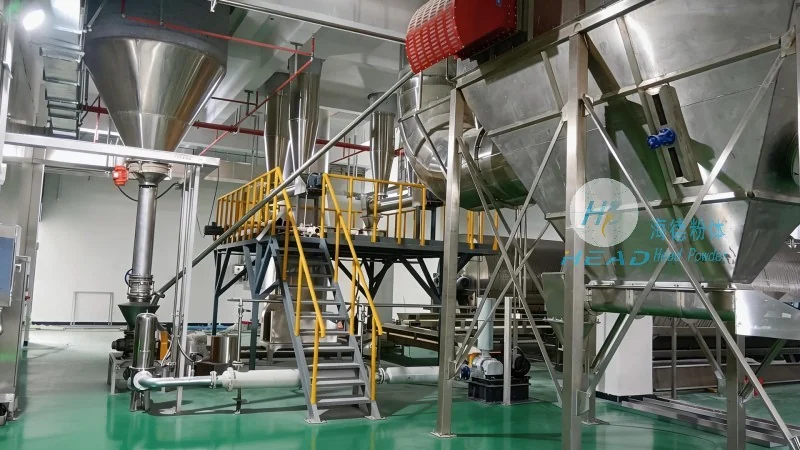
Gypsum calcined is a fine to medium-grained powder with specific physical properties that influence its handling. Its hygroscopic nature, varying moisture content, and potential for dust generation require specialized conveying systems to prevent material degradation, equipment wear, and safety hazards. Traditional methods such as belt conveyors or manual handling often fall short in meeting these demands, leading to increased operational costs and downtime. Therefore, understanding the most suitable conveying method is crucial for industries dealing with gypsum calcined.
1. Air-Pressure Conveying Systems
One of the most widely used methods for gypsum calcined conveying is air-pressure (or pneumatic) conveying. This system utilizes compressed air to transport the material through a pipeline network. The primary components include a hopper, a rotary airlock valve, a filter, and a receiver. The process involves feeding the gypsum calcined into the hopper, where it is sealed by the rotary valve and then drawn into the pipeline by the air flow. The air and material mixture travels to the receiver, where the material is separated from the air by a cyclone or bag filter, and the air is discharged to the atmosphere.
The air-pressure conveying system offers several advantages for gypsum calcined handling. It provides a dust-free environment, which is critical for maintaining product purity and worker safety. The system is also flexible, allowing for long-distance and multi-point delivery without the need for complex mechanical components. Additionally, it can handle varying material flow rates and can be integrated with other processing equipment seamlessly. However, the system has notable drawbacks. The high energy consumption due to the continuous operation of compressors is a significant cost factor. Moreover, the system is susceptible to blockages if the material is too fine or contains excessive moisture, leading to operational interruptions. The initial investment for the air-pressure system is also higher compared to some mechanical alternatives.
2. Mechanical Conveying Systems
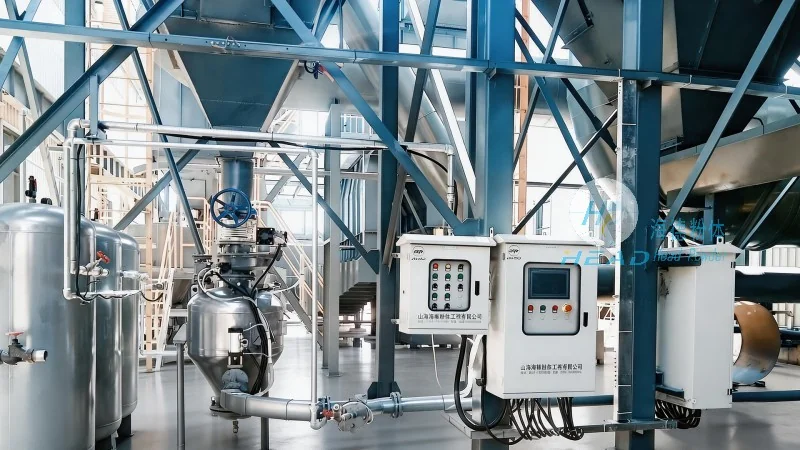
Mechanical conveying systems, such as belt conveyors, screw conveyors, and bucket elevators, are another common approach for gypsum calcined transport. These systems rely on mechanical motion to move the material from one location to another. Belt conveyors use a continuous belt to transport the material in a horizontal or slight incline direction. Screw conveyors utilize a rotating screw within a tube to push the material forward, making them suitable for vertical or inclined transport. Bucket elevators use a series of buckets attached to a chain or belt to lift the material vertically.
Mechanical conveying systems are generally more cost-effective in terms of initial investment compared to air-pressure systems. They are also less energy-intensive as they do not require compressors. The maintenance requirements are relatively straightforward, with regular checks on belts, bearings, and drive mechanisms. However, these systems have limitations when dealing with fine or dusty gypsum calcined. The material can easily fall through the belt or screw, causing loss and contamination. Additionally, the mechanical components are prone to wear and tear from the abrasive nature of the material, leading to higher long-term maintenance costs. Dust generation is also a concern, as the material can become airborne during transport, posing health risks and requiring additional dust control measures.
3. Hybrid Conveying Systems
Hybrid conveying systems combine the benefits of both air-pressure and mechanical methods to address the limitations of each approach. These systems typically use a mechanical conveyor to transport the material to a point where it is then pneumatically conveyed to the final destination. For example, a screw conveyor may feed a hopper that is connected to a pneumatic conveying line. This configuration allows for the initial handling of bulk material using a mechanical system, while the final transport is done via air-pressure to avoid dust and ensure product purity.
Hybrid systems offer a balanced solution, combining the cost-effectiveness of mechanical handling with the dust-free and flexible nature of pneumatic transport. They are particularly suitable for applications requiring long-distance transport with multiple delivery points. However, the complexity of the system increases, which may lead to higher installation and maintenance costs. The integration of mechanical and pneumatic components requires careful engineering to ensure smooth operation and prevent material blockages.
4. HeadPowder's Solutions for Gypsum Calcined Conveying
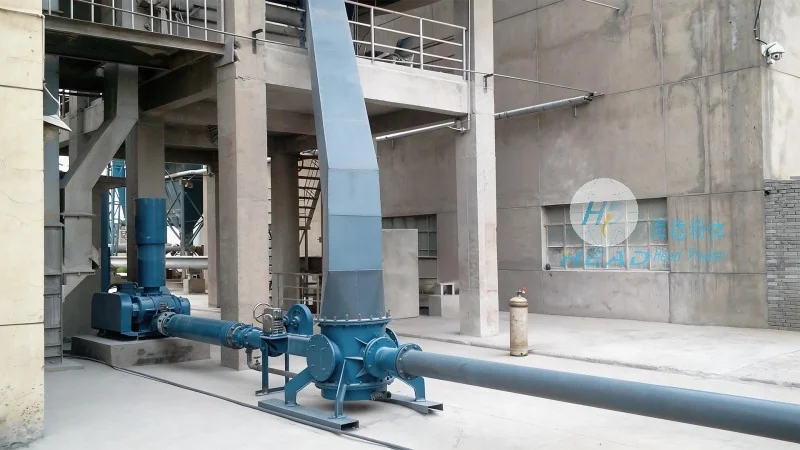
Shandong HeadPowder Engineering Co., Ltd., a leading manufacturer in material handling solutions, offers tailored solutions for gypsum calcined conveying. The company specializes in designing and manufacturing custom conveying systems that address the unique challenges of handling gypsum calcined. HeadPowder's expertise lies in combining advanced engineering with practical application knowledge to deliver efficient and reliable systems.
The company's air-pressure conveying systems are equipped with high-efficiency filters and advanced control systems to minimize energy consumption and prevent material blockages. The mechanical components are made from wear-resistant materials to extend the service life and reduce maintenance frequency. Additionally, HeadPowder provides comprehensive support, including installation, commissioning, and ongoing maintenance services, ensuring that clients can operate their conveying systems at peak performance.
For businesses in China, particularly in Shandong, HeadPowder's local presence and understanding of regional operational requirements provide a significant advantage. The company's facilities in China enable quick response times and localized support, which is crucial for maintaining production continuity. By choosing HeadPowder's solutions, companies can enhance their gypsum calcined handling efficiency, reduce operational costs, and improve overall product quality.
Conclusion
The choice of gypsum calcined conveying method depends on various factors, including the scale of operation, material properties, distance of transport, and budget constraints. Air-pressure systems excel in dust control and flexibility but require higher energy input. Mechanical systems are cost-effective and energy-efficient but may struggle with fine materials and dust generation. Hybrid systems offer a balanced approach but increase complexity. Ultimately, the optimal solution is one that aligns with the specific needs of the application and is supported by reliable equipment and service.
Shandong HeadPowder Engineering Co., Ltd. stands ready to assist businesses in selecting and implementing the most suitable gypsum calcined conveying system, ensuring that their material handling processes are efficient, safe, and cost-effective. With a focus on quality and customer satisfaction, HeadPowder provides solutions that meet the evolving demands of the industry.

 Shandong Headpowder Engineering Co., Ltd.
 156-6277-7102(Quản lý Trương)
  0531-83386006
  Thành phố Tế Nam, Tỉnh Sơn Đông, Trung Quốc
Điện thoại
WeChatTư vấn
Lên đầu