Với hơn 10 năm kinh nghiệm về vận chuyển khí nén, Headpowder Sơn Đông cung cấp hệ thống, thiết bị và quạt gió toàn chuỗi, đảm nhận các dự án kỹ thuật bột trọn gói trên toàn quốc.
Lithium-ion battery anode materials are a critical component in the production of modern rechargeable batteries, directly influencing the performance, capacity, and safety of the final battery. The efficient and reliable transport of these materials from raw material storage to processing and assembly lines is essential for maintaining production efficiency and product quality. Various methods are employed for material handling in the battery manufacturing industry, each with its own set of advantages and limitations. This article explores common transport methods for lithium-ion battery anode materials and highlights the benefits of pneumatic conveying systems, specifically those offered by Shandong HeadPowder Engineering Co., Ltd., a leading provider based in China.
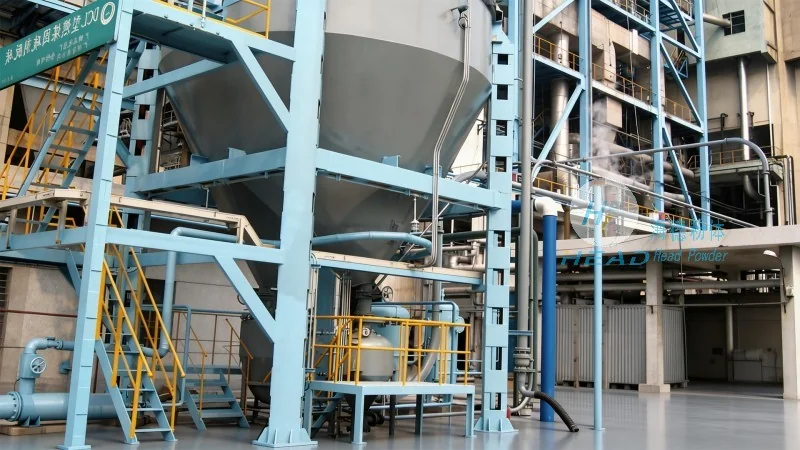
Common Methods for Transporting Lithium-Ion Battery Anode Materials
Traditional material transport methods in the battery industry include gravity-based systems, mechanical conveyors such as belt conveyors and screw conveyors, and more advanced pneumatic conveying systems. Gravity conveyors rely on the natural slope of the material to move it from one point to another, which is suitable for materials with a high bulk density and minimal dust generation. However, they are limited by the need for specific layout configurations and may not be suitable for vertical or long-distance transport. Belt conveyors are widely used for bulk material handling, offering high capacity and durability. They are effective for horizontal or slightly inclined transport but can suffer from material degradation due to friction and are prone to dust generation, which poses health and safety risks. Screw conveyors, or auger conveyors, use a rotating screw to move material through a tube, providing a compact solution for vertical or horizontal transport. They are reliable but can cause excessive wear on the material and are not ideal for delicate or fine powders.
Pneumatic Conveying: An Advanced Solution for Lithium-Ion Battery Anode Materials
Pneumatic conveying, or air-powered transport, has emerged as a preferred method for handling lithium-ion battery anode materials due to its flexibility, efficiency, and ability to manage fine powders and dust. Unlike mechanical systems, pneumatic conveyors use compressed air to transport materials through a pipeline, eliminating the need for moving parts in contact with the material. This reduces wear and tear, minimizes product contamination, and enhances safety by containing dust within the system. There are two main types of pneumatic conveying: pressure and vacuum systems. Pressure systems use compressed air to push material through the pipeline, while vacuum systems use a vacuum to pull material into the line. Both types can be customized to meet the specific requirements of anode material transport, including material type, particle size, and distance.
Advantages of Pneumatic Conveying for Lithium-Ion Battery Anode Materials
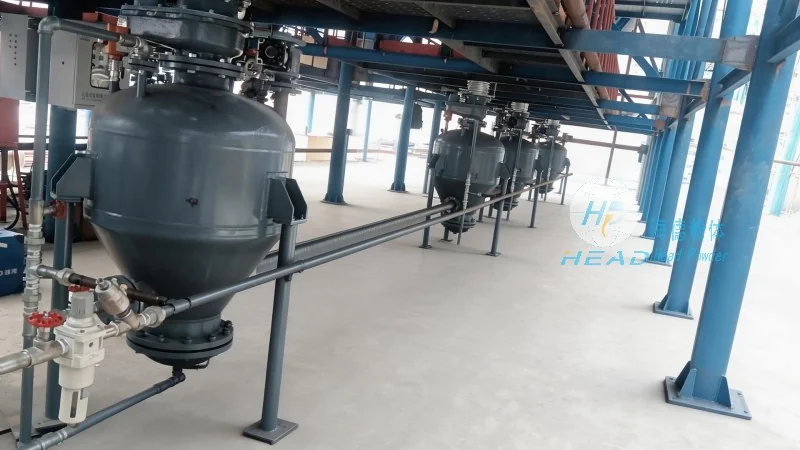
For lithium-ion battery anode materials, such as graphite, silicon, and other carbon-based compounds, pneumatic conveying offers several key advantages. First, it provides high transport efficiency and capacity, allowing for continuous material flow without the need for manual intervention. This ensures a steady supply of raw materials to the production line, reducing downtime and increasing overall productivity. Second, pneumatic systems are highly flexible, capable of transporting materials over long distances and through complex layouts, including vertical lifts and horizontal turns. This flexibility is crucial in battery manufacturing facilities where space is often limited and material flow paths must be optimized. Third, pneumatic conveying minimizes material loss and degradation. Unlike mechanical conveyors, which can cause abrasion and breakage of particles, pneumatic systems use air flow to gently move materials, preserving their integrity and ensuring consistent quality. This is particularly important for anode materials, as particle size and shape directly affect battery performance.
HeadPowder's Pneumatic Conveying Solutions: Customized for Battery Manufacturing
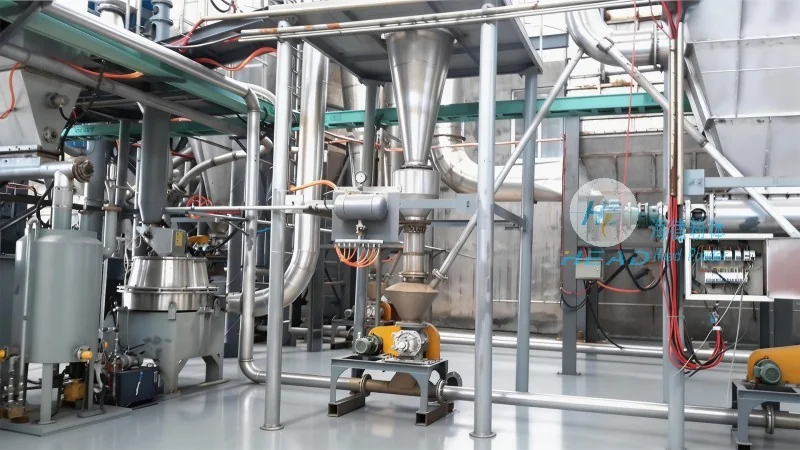
Shandong HeadPowder Engineering Co., Ltd., based in China, specializes in designing and manufacturing advanced pneumatic conveying systems tailored to the needs of lithium-ion battery manufacturers. The company's solutions are engineered to handle a wide range of anode materials, from fine powders to larger granules, with minimal dust generation and maximum efficiency. HeadPowder's systems incorporate state-of-the-art components, including high-efficiency air compressors, advanced filtration systems, and durable pipeline materials, ensuring long-term reliability and low maintenance costs. One of the key features of HeadPowder's pneumatic conveying systems is their ability to integrate seamlessly with existing production lines. The company works closely with clients to understand their specific material handling challenges and provides customized solutions that meet both technical and operational requirements. For example, a HeadPowder system might include a combination of pressure and vacuum stages to optimize material transport from raw material storage to the mixing and coating processes, ensuring a smooth and continuous flow of anode materials.
Key Features of HeadPowder's Pneumatic Conveying Systems
HeadPowder's pneumatic conveying systems for lithium-ion battery anode materials are designed with several key features that enhance performance and safety. First, the systems are equipped with advanced control panels that allow for real-time monitoring of material flow, air pressure, and system performance. This enables operators to quickly identify and address any issues, reducing downtime and improving overall system reliability. Second, the use of high-quality materials in the construction of pipelines and components ensures resistance to corrosion and wear, extending the lifespan of the system. Third, HeadPowder's systems incorporate dust control measures, such as cyclone separators and filtration systems, to minimize environmental impact and comply with safety regulations. This is particularly important in battery manufacturing facilities, where dust from anode materials can pose health risks to workers and require strict environmental controls.
Conclusion: The Role of Pneumatic Conveying in Lithium-Ion Battery Production
In conclusion, the efficient transport of lithium-ion battery anode materials is a critical factor in the success of battery manufacturing operations. While traditional methods like gravity and mechanical conveyors have their uses, pneumatic conveying offers superior performance, flexibility, and safety for handling the delicate and often fine materials used in modern batteries. Shandong HeadPowder Engineering Co., Ltd. provides high-quality pneumatic conveying solutions that are tailored to the specific needs of battery manufacturers, ensuring reliable material transport and contributing to the overall efficiency and quality of battery production. By investing in advanced pneumatic conveying systems, battery manufacturers can improve their operational efficiency, reduce costs, and enhance the safety and environmental performance of their facilities.

 Shandong Headpowder Engineering Co., Ltd.
 156-6277-7102(Quản lý Trương)
  0531-83386006
  Thành phố Tế Nam, Tỉnh Sơn Đông, Trung Quốc
Điện thoại
WeChatTư vấn
Lên đầu