Với hơn 10 năm kinh nghiệm về vận chuyển khí nén, Headpowder Sơn Đông cung cấp hệ thống, thiết bị và quạt gió toàn chuỗi, đảm nhận các dự án kỹ thuật bột trọn gói trên toàn quốc.
Glass slag, a byproduct of glass manufacturing processes, requires efficient and reliable conveying methods to manage its handling and disposal. Proper glass slag conveyance is crucial for maintaining operational efficiency in glass production facilities and ensuring environmental compliance. Various methods are employed to transport glass slag, each with its own advantages and applications depending on the specific requirements of the glass manufacturing plant.
1. Mechanical Conveying Systems
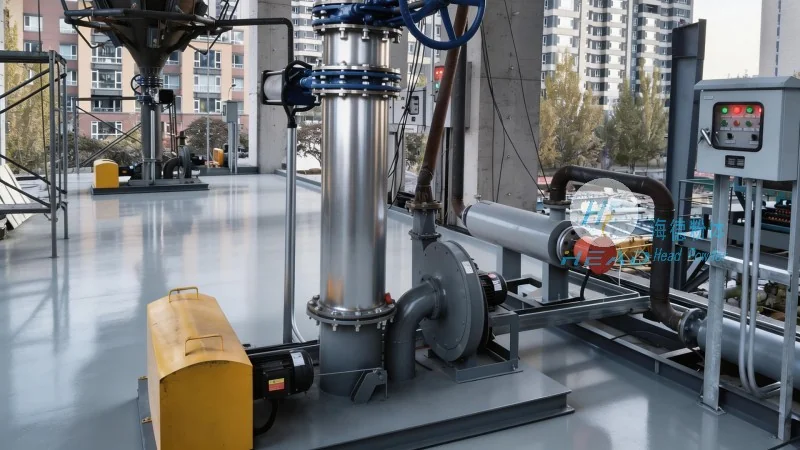
One of the most common methods for glass slag conveying is through mechanical systems. These systems utilize components such as conveyors, belts, and buckets to move glass slag from one location to another. Mechanical conveyors are particularly effective for handling large volumes of glass slag and can be customized to fit the specific layout and dimensions of a glass production facility. The use of robust materials and engineering ensures that these systems can withstand the abrasive nature of glass slag, minimizing wear and tear over time. For instance, companies like Shandong HeadPowder Engineering Co., Ltd. specialize in designing and manufacturing tailored mechanical conveying solutions that meet the unique needs of glass manufacturers.
2. Pneumatic Conveying Systems
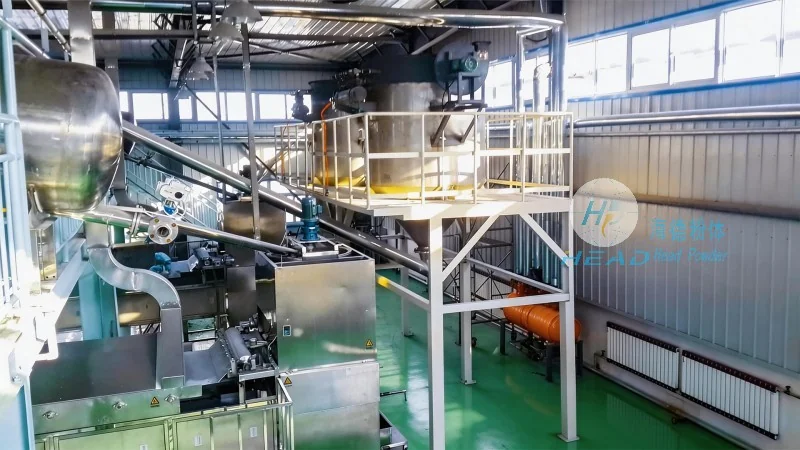
Another widely used method is pneumatic conveying, which employs air or other gases to transport glass slag through a pipeline network. This method is particularly advantageous for handling fine glass particles and for applications where dust control is a priority. Pneumatic systems can be either positive pressure or negative pressure, depending on the specific conveying requirements. Positive pressure systems push the material through the pipeline using compressed air, while negative pressure systems draw the material in using vacuum. The choice between these systems depends on factors such as the distance to be covered, the volume of material, and the need for dust suppression. Pneumatic conveying is often preferred in environments where dust exposure needs to be minimized, making it suitable for modern glass production facilities that prioritize safety and environmental standards.
3. Hydraulic Conveying Systems
Hydraulic conveying systems use water or other fluids to transport glass slag. This method is particularly effective for handling wet or slurry-like glass slag, where the material is mixed with water to create a slurry. The slurry is then pumped through pipelines using hydraulic pumps, allowing for efficient transport over longer distances. Hydraulic systems are often used in applications where the glass slag is in a liquid or semi-liquid state, such as in the processing of recycled glass or in the treatment of glass waste. The use of hydraulic conveying can help reduce the risk of dust generation and improve the overall safety of the conveying process. However, these systems require careful maintenance to prevent corrosion and ensure consistent performance.
4. Combination Conveying Systems
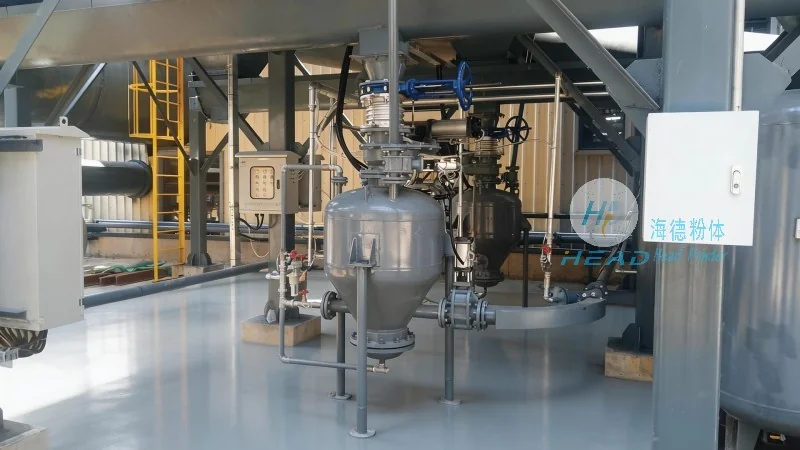
In many glass manufacturing facilities, a combination of mechanical, pneumatic, and hydraulic systems may be used to achieve optimal glass slag conveyance. For example, a facility might use a mechanical conveyor to transport large glass slag pieces to a processing area, followed by a pneumatic system to handle fine particles generated during the crushing or grinding process. This integrated approach allows for the efficient handling of different types of glass slag and ensures that the entire conveying process is streamlined and cost-effective. Companies like HeadPowder, with their expertise in engineering and manufacturing, can provide comprehensive solutions that integrate multiple conveying methods to meet the specific needs of glass production plants.
5. Factors to Consider When Choosing a Conveying Method
When selecting a glass slag conveying method, several factors must be considered to ensure the most effective and efficient solution. These factors include the type and size of glass slag, the distance to be covered, the required throughput, and the environmental regulations in the area. The cost of installation and maintenance is also a critical factor, as different systems have varying long-term operational costs. Additionally, the space available in the glass production facility and the need for dust control or noise reduction can influence the choice of conveying method. By carefully evaluating these factors, glass manufacturers can select the most suitable conveying system that maximizes operational efficiency while minimizing environmental impact.
Conclusion
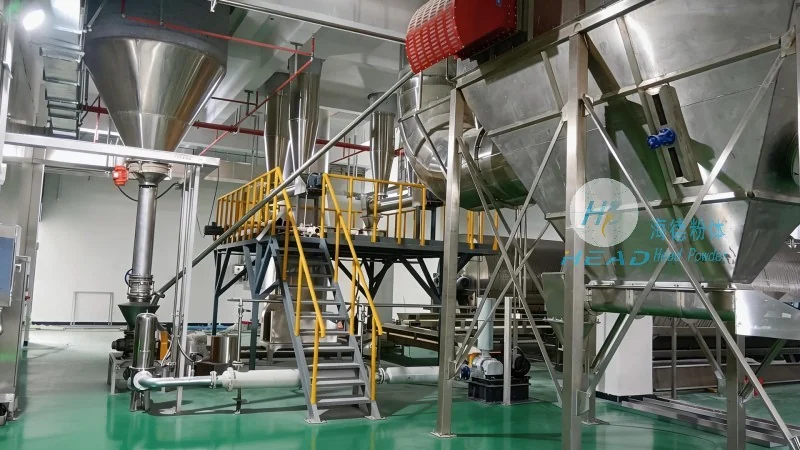
Glass slag conveying is a critical aspect of glass production, and the choice of conveying method can significantly impact the efficiency and sustainability of a glass manufacturing facility. Mechanical, pneumatic, hydraulic, and combination systems each offer unique advantages and are suitable for different applications. Companies such as Shandong HeadPowder Engineering Co., Ltd. play a vital role in providing tailored conveying solutions that meet the specific needs of glass manufacturers, ensuring that glass slag is handled safely and effectively. By understanding the various conveying methods and considering the specific requirements of their operation, glass production facilities can optimize their glass slag management processes and contribute to a more sustainable and efficient industry.

 Shandong Headpowder Engineering Co., Ltd.
 156-6277-7102(Quản lý Trương)
  0531-83386006
  Thành phố Tế Nam, Tỉnh Sơn Đông, Trung Quốc
Điện thoại
WeChatTư vấn
Lên đầu