Với hơn 10 năm kinh nghiệm về vận chuyển khí nén, Headpowder Sơn Đông cung cấp hệ thống, thiết bị và quạt gió toàn chuỗi, đảm nhận các dự án kỹ thuật bột trọn gói trên toàn quốc.
Rubber powder, a widely used material in various industries such as tire manufacturing, rubber products, and recycling, requires efficient and reliable conveying systems to ensure smooth production processes. The choice of conveying method significantly impacts operational efficiency, material quality, and overall system costs. Common rubber powder conveying methods include mechanical conveyors, like belt conveyors and screw conveyors, and pneumatic conveying systems. Each method has its own set of advantages and limitations, making the selection process crucial for optimizing industrial applications.
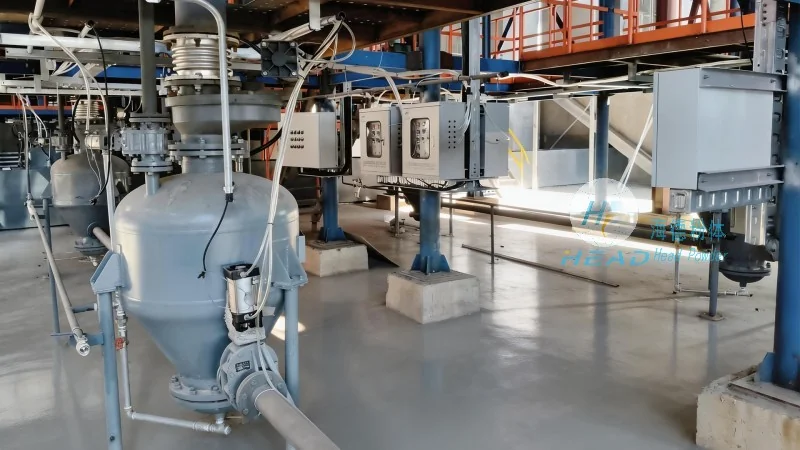
Pneumatic Conveying: A Comprehensive Solution for Rubber Powder Handling
Among the various conveying methods, pneumatic conveying stands out as a highly effective and versatile solution for rubber powder transportation. Pneumatic conveying systems utilize air or gas to transport bulk materials through a pipeline network. This method offers several key advantages that make it particularly suitable for rubber powder applications.
Key Advantages of Pneumatic Conveying for Rubber Powder
1. Non-Contact Material Handling: Pneumatic conveying eliminates the need for direct contact between the rubber powder and mechanical components, reducing the risk of material contamination and wear. This is especially important for rubber powder, which may contain additives or have specific surface properties that require a clean handling environment.
2. High Efficiency and Speed: Pneumatic systems can transport rubber powder at high speeds and over long distances with minimal energy consumption compared to traditional mechanical conveyors. The ability to handle large volumes in a short time enhances production throughput and operational efficiency.
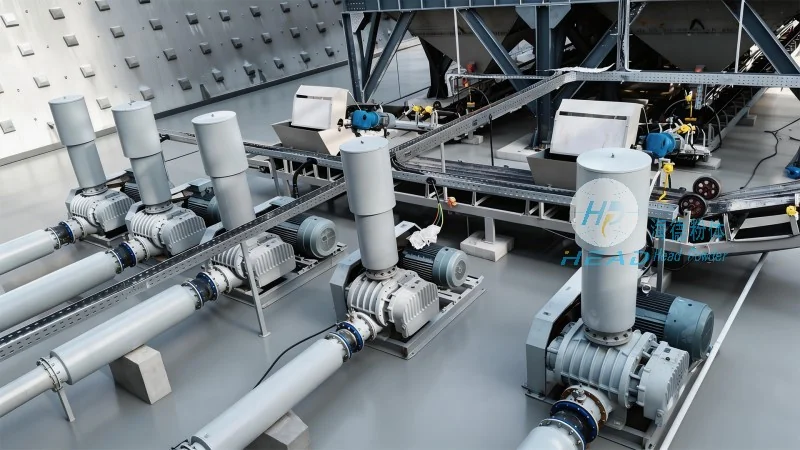
3. Flexibility and Scalability: Pneumatic conveying systems can be easily customized and expanded to accommodate changing production needs. The modular design allows for the integration of additional components, such as silos, hoppers, and control units, without major system overhauls. This flexibility is beneficial for industries that experience fluctuations in material demand or require future expansion.
4. Reduced Maintenance and Downtime: Unlike mechanical conveyors that have moving parts prone to wear and tear, pneumatic systems have fewer mechanical components, resulting in lower maintenance requirements and reduced downtime. The absence of belts, chains, or screws minimizes the risk of mechanical failures and extends the service life of the conveying equipment.
5. Improved Material Quality and Consistency: Pneumatic conveying maintains the integrity of rubber powder particles, preventing breakage or degradation that may occur with mechanical handling. This ensures consistent material quality, which is critical for downstream processes like mixing, compounding, and recycling. The system also reduces the risk of dust accumulation and cross-contamination, contributing to a cleaner and safer working environment.
HeadPowder's Expertise in Pneumatic Conveying Solutions
Shandong HeadPowder Engineering Co., Ltd., a leading manufacturer of specialized conveying equipment, specializes in providing customized pneumatic conveying solutions tailored to the unique needs of rubber powder applications. With years of experience in the industry, HeadPowder has developed advanced systems that leverage the benefits of pneumatic technology to optimize rubber powder handling processes.
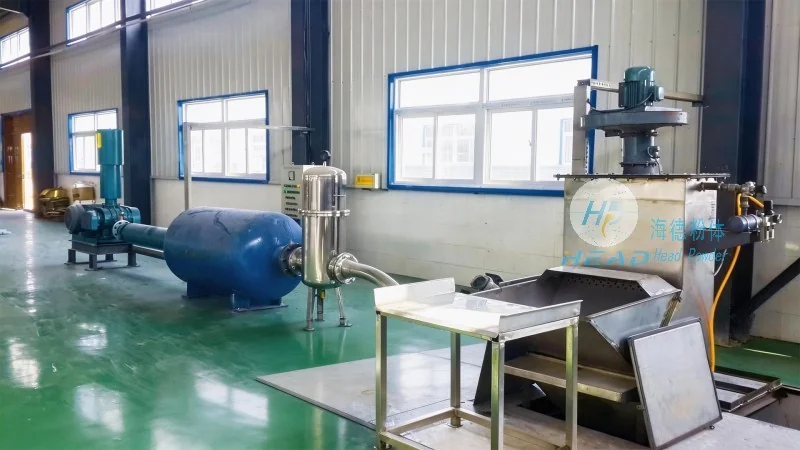
HeadPowder's pneumatic conveying systems are designed with precision engineering to ensure reliable and efficient operation. The company's expertise lies in understanding the specific characteristics of rubber powder, such as particle size, density, and moisture content, and tailoring the conveying system accordingly. This approach ensures that the system operates at peak performance, minimizing energy waste and maximizing material throughput.
HeadPowder's solutions include a range of components, such as rotary valves, airlocks, and dust collectors, which are essential for the smooth operation of pneumatic conveying systems. The company's commitment to quality and innovation has enabled it to deliver systems that meet the highest industry standards while providing cost-effective solutions for rubber powder handling.
Conclusion: Choosing the Right Conveying Method for Rubber Powder
When selecting a conveying method for rubber powder, it is essential to consider factors such as material properties, production scale, and operational requirements. While mechanical conveyors may be suitable for small-scale applications, pneumatic conveying offers superior performance and flexibility for larger operations. The advantages of non-contact handling, high efficiency, and reduced maintenance make pneumatic conveying an ideal choice for industries that demand consistent material quality and reliable operation.
Shandong HeadPowder Engineering Co., Ltd. continues to be a trusted partner in providing advanced pneumatic conveying solutions for rubber powder applications. With its expertise and commitment to quality, HeadPowder helps businesses optimize their rubber powder handling processes, ensuring efficiency, productivity, and long-term success.

 Shandong Headpowder Engineering Co., Ltd.
 156-6277-7102(Quản lý Trương)
  0531-83386006
  Thành phố Tế Nam, Tỉnh Sơn Đông, Trung Quốc
Điện thoại
WeChatTư vấn
Lên đầu