Với hơn 10 năm kinh nghiệm về vận chuyển khí nén, Headpowder Sơn Đông cung cấp hệ thống, thiết bị và quạt gió toàn chuỗi, đảm nhận các dự án kỹ thuật bột trọn gói trên toàn quốc.
HeadPowder, a leading provider of industrial conveying solutions, specializes in equipment designed for efficient dry sand handling. With operations based in Shandong, China, the company has established itself as a trusted partner for businesses requiring reliable dry sand transportation systems. This article explores the various methods used for dry sand conveying, detailing their applications, advantages, and suitability for different industrial needs.
Understanding Dry Sand Conveying: The Core Concepts
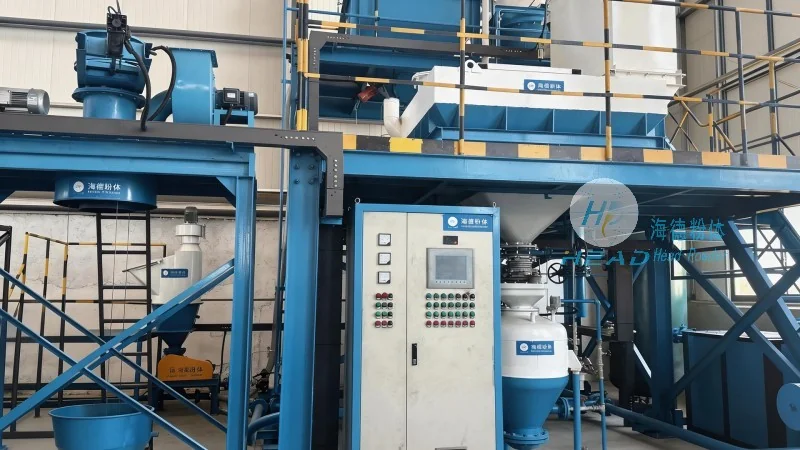
Dry sand conveying involves the movement of granular materials like sand from one location to another without the use of water or other liquids. This process is critical in industries such as construction, mining, and manufacturing, where large volumes of sand are processed daily. The choice of conveying method depends on factors like material characteristics, distance, budget, and environmental considerations. Effective dry sand conveying ensures minimal material loss, reduced downtime, and improved operational efficiency.
Common Dry Sand Conveying Methods
Several technologies are employed for dry sand conveying, each with unique features and applications. The most common methods include pneumatic conveying, screw conveyors, belt conveyors, and bucket elevators. Each method is selected based on the specific requirements of the operation, such as the type of sand, the distance to be covered, and the desired speed of transport.
Pneumatic Conveying Systems
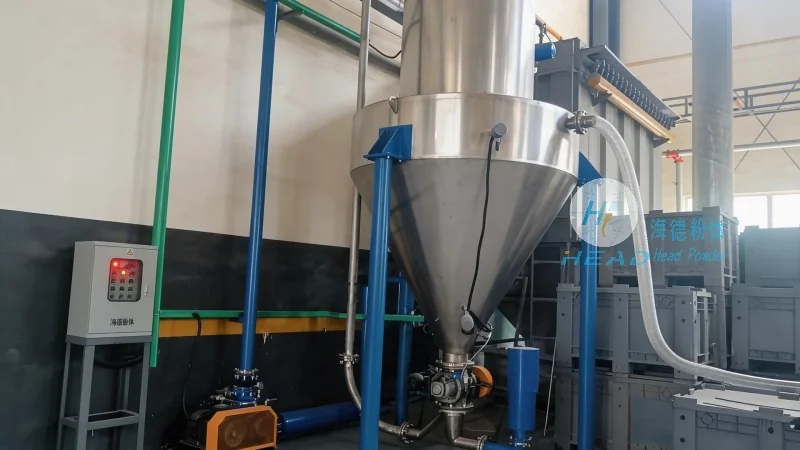
Pneumatic conveying, also known as air conveying, uses compressed air or gas to transport dry sand particles through a pipeline. This method is highly effective for transporting fine or dusty sand over medium to long distances. There are two main types of pneumatic conveying: pressure and vacuum systems. Pressure systems use positive pressure to push the material through the pipeline, while vacuum systems use negative pressure to pull the material. Pneumatic conveying offers advantages such as low maintenance, minimal material degradation, and the ability to transport materials in a closed system, preventing dust emissions. HeadPowder offers advanced pneumatic conveying solutions tailored to handle various dry sand types, ensuring efficient and clean transport.
Screw Conveyors
Screw conveyors, also called auger conveyors, use a rotating screw (auger) to move dry sand along a trough. This method is suitable for short to medium distances and is ideal for handling bulk materials like sand. Screw conveyors are commonly used in industries where the material is relatively dry and free-flowing. They are easy to install and maintain, and can be integrated with other processing equipment. HeadPowder’s screw conveyors are designed with durable materials and efficient screw designs to ensure reliable dry sand transport, minimizing blockages and wear.
Belt Conveyors
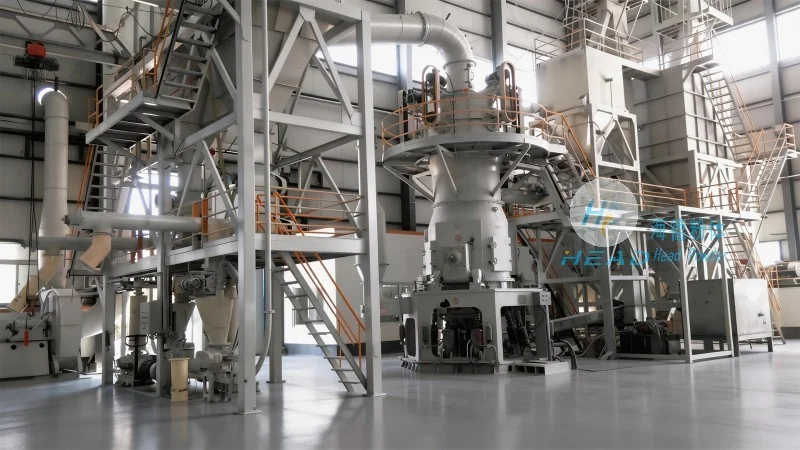
Belt conveyors use a continuous belt to transport dry sand horizontally or at a slight incline. This method is widely used for long-distance transport and is suitable for handling large volumes of sand. Belt conveyors are efficient, cost-effective, and can be adapted for various applications, including bulk material handling in construction and mining sites. HeadPowder provides robust belt conveyor systems with high-capacity belts and reliable drive mechanisms, ensuring smooth and continuous dry sand movement over extended distances.
Bucket Elevators
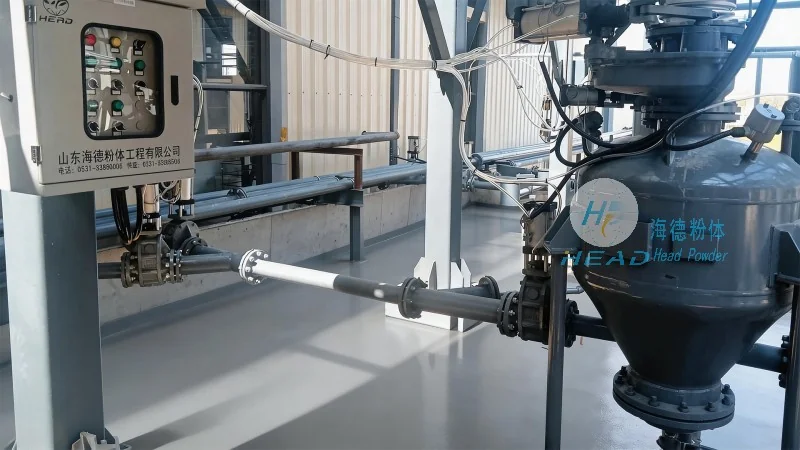
Bucket elevators are vertical or inclined conveyors that use buckets attached to a chain or belt to transport dry sand vertically. This method is ideal for vertical transport, such as moving sand from a lower to a higher level in a facility. Bucket elevators are capable of handling dry sand with high efficiency and can be integrated with other processing equipment. HeadPowder’s bucket elevators are designed with durable buckets and efficient lifting mechanisms, ensuring reliable vertical dry sand transport with minimal downtime.
Choosing the Right Dry Sand Conveying Method
The selection of a dry sand conveying method depends on several factors, including the characteristics of the sand, the distance to be covered, the required capacity, and the operational environment. For example, pneumatic conveying is preferred for fine or dusty sand over long distances, while screw conveyors are suitable for short to medium distances and bulk handling. Belt conveyors are ideal for large-volume horizontal transport, and bucket elevators are best for vertical movement. HeadPowder’s expertise in industrial conveying allows them to recommend the most suitable method for each client’s specific needs, ensuring optimal performance and cost-effectiveness.
Conclusion
Dry sand conveying is a critical process in many industries, and the choice of conveying method significantly impacts operational efficiency and cost. HeadPowder, with its headquarters in Shandong, China, offers a range of advanced dry sand conveying solutions, including pneumatic systems, screw conveyors, belt conveyors, and bucket elevators. By understanding the unique requirements of each application, HeadPowder ensures that clients receive tailored solutions that enhance productivity and minimize material loss. Whether for construction, mining, or manufacturing, HeadPowder’s conveying systems provide reliable and efficient dry sand transport, supporting the success of businesses worldwide.

 Shandong Headpowder Engineering Co., Ltd.
 156-6277-7102(Quản lý Trương)
  0531-83386006
  Thành phố Tế Nam, Tỉnh Sơn Đông, Trung Quốc
Điện thoại
WeChatTư vấn
Lên đầu