Với hơn 10 năm kinh nghiệm về vận chuyển khí nén, Headpowder Sơn Đông cung cấp hệ thống, thiết bị và quạt gió toàn chuỗi, đảm nhận các dự án kỹ thuật bột trọn gói trên toàn quốc.
When it comes to transporting flakes of caustic soda, a well-designed pneumatic conveying system is essential for ensuring efficiency, safety, and cost-effectiveness. This article provides a comprehensive guide on how to design a reasonable system, focusing on key considerations and best practices.
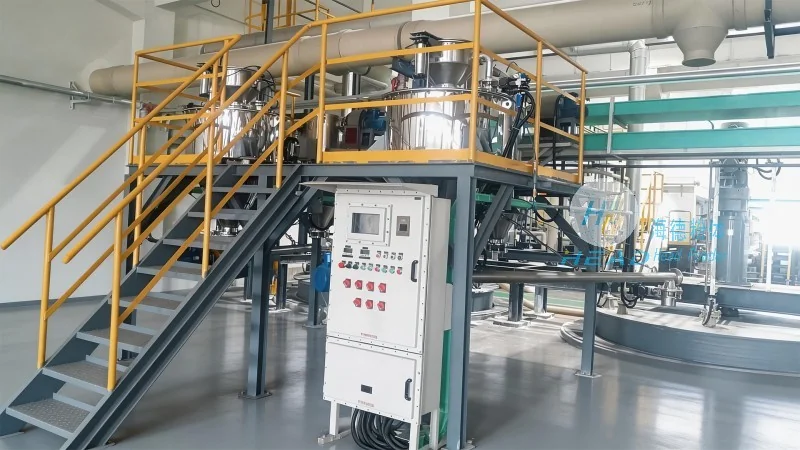
Understanding the Core Requirements for Flakes of Caustic Soda Conveying
Before diving into system design, it's crucial to understand the specific characteristics of flakes of caustic soda. These materials are often corrosive, hygroscopic, and can generate dust during handling. The design must account for these properties to prevent equipment damage, ensure material integrity, and maintain operational safety. Additionally, the system should align with production scale, material flow rates, and the distance between the source and destination points.
Key Design Factors for a Reliable Pneumatic Conveying System
Several critical factors influence the performance of a caustic soda pneumatic conveying system. First, the selection of the conveying method—whether it's a pressure or vacuum system—depends on the distance and the material's flow characteristics. For longer distances or when handling large volumes, pressure systems are typically more suitable. They involve a positive pressure blower or compressor that pushes the material through the pipeline. Conversely, vacuum systems use a vacuum pump to draw material from the source, which is ideal for shorter distances or when the material needs to be collected from multiple points.
Another important factor is the pipeline design. The diameter and material of the pipeline must be chosen to minimize pressure drop and prevent blockages. For caustic soda, which can be abrasive, stainless steel or corrosion-resistant materials are preferred for the pipeline and associated components. The system should also include appropriate fittings, such as elbows, tees, and valves, to control the flow and prevent material buildup. Additionally, the system must incorporate dust collection and filtration to comply with environmental regulations and maintain air quality.
Equipment Selection and Integration for Optimal Performance
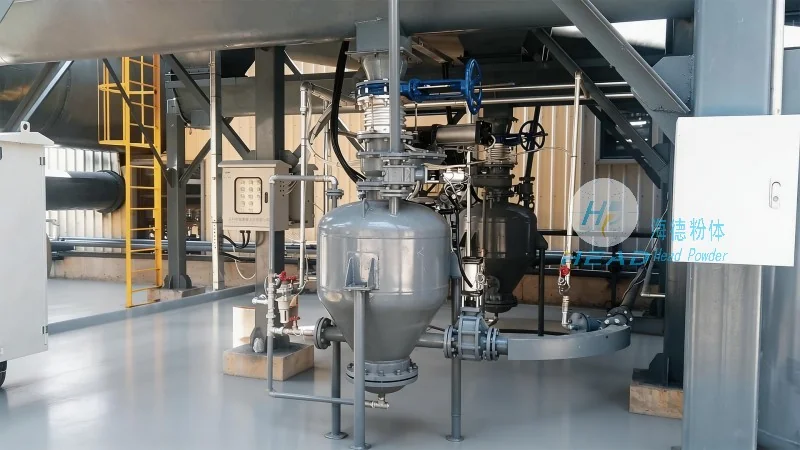
The choice of equipment, including the feeder, blower, and receiver, plays a vital role in the system's efficiency. The feeder must be capable of handling the material's flow rate and density without causing blockages or uneven discharge. For flakes of caustic soda, a rotary valve or a screw feeder is commonly used, as they can provide consistent material flow and prevent material degradation. The blower or compressor must have sufficient capacity to maintain the required pressure or vacuum level throughout the system. It's also essential to consider the power consumption and noise levels of the equipment, as these factors impact operational costs and workplace safety.
Integration of the system with existing infrastructure is another key consideration. The design should ensure compatibility with the plant layout, minimizing the need for extensive modifications or new construction. This includes proper placement of the feeder, blower, and receiver to optimize material flow and reduce energy consumption. Additionally, the system should be designed for easy maintenance and repair, with accessible components and clear operational indicators.
Ensuring Safety and Compliance in System Operation
Safety is a top priority when handling caustic soda, as it poses significant health and environmental risks. The pneumatic conveying system must incorporate safety features such as pressure relief valves, emergency shut-off mechanisms, and proper ventilation to prevent accidental releases. The equipment should also be designed to withstand the corrosive nature of the material, with regular inspection and maintenance schedules to ensure long-term reliability. Compliance with local regulations and industry standards is essential to avoid legal issues and maintain a safe working environment.
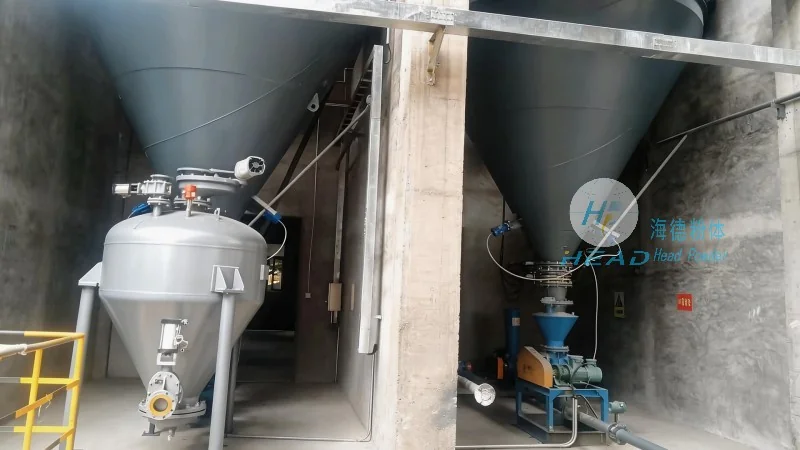
Case Study: Successful Implementation by Shandong HeadPowder Engineering Co., Ltd.
Shandong HeadPowder Engineering Co., Ltd., a leading provider of engineering solutions, has extensive experience in designing and implementing pneumatic conveying systems for caustic soda applications. One of their recent projects involved a client in China who required a system to transport flakes of caustic soda from a storage silo to a processing unit over a distance of 200 meters. The system was designed using a pressure conveying method with a stainless steel pipeline and a rotary valve feeder. The blower was selected to provide a pressure of 0.8 bar, ensuring efficient material transport. The system has been in operation for over two years, with minimal downtime and high material throughput. The client reported significant cost savings due to reduced labor and material handling time, as well as improved safety and environmental compliance.
Conclusion: Designing an Efficient and Reliable Flakes of Caustic Soda Pneumatic Conveying System
Designing a reasonable flakes of caustic soda pneumatic conveying system requires a comprehensive approach that considers material properties, operational requirements, and safety regulations. By carefully evaluating the key design factors, selecting appropriate equipment, and ensuring proper integration and maintenance, businesses can achieve efficient and reliable material transport. Shandong HeadPowder Engineering Co., Ltd. offers expert guidance and tailored solutions to help clients optimize their caustic soda handling processes, ensuring long-term success and compliance.

 Shandong Headpowder Engineering Co., Ltd.
 156-6277-7102(Quản lý Trương)
  0531-83386006
  Thành phố Tế Nam, Tỉnh Sơn Đông, Trung Quốc
Điện thoại
WeChatTư vấn
Lên đầu