Với hơn 10 năm kinh nghiệm về vận chuyển khí nén, Headpowder Sơn Đông cung cấp hệ thống, thiết bị và quạt gió toàn chuỗi, đảm nhận các dự án kỹ thuật bột trọn gói trên toàn quốc.
When it comes to the efficient handling and transportation of rice husk ash, selecting the right method is crucial for optimizing industrial processes and ensuring safety. Rice husk ash, a byproduct of rice processing, requires reliable systems to move it from production sites to storage or processing facilities. This article explores the various transportation methods available for rice husk ash, providing insights into how each approach can be tailored to meet specific operational needs.
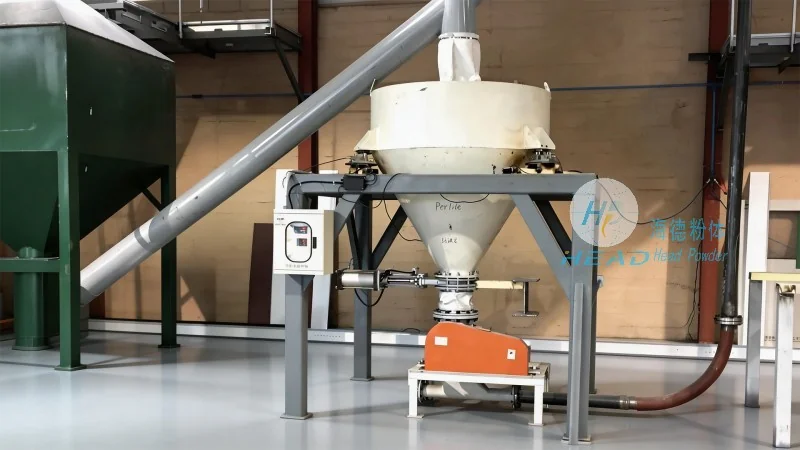
Understanding Rice Husk Ash and Its Transportation Challenges
Rice husk ash, also known as rice husk ash (RHA), is a valuable material derived from the combustion of rice husks. It is commonly used in construction, agriculture, and as a fuel additive. However, its lightweight and dusty nature presents unique challenges during transportation. Traditional methods may struggle with dust control, material segregation, and efficient movement over long distances. To address these challenges, modern industrial solutions have evolved, offering a range of options that balance efficiency, cost, and environmental considerations.
Common Transportation Methods for Rice Husk Ash
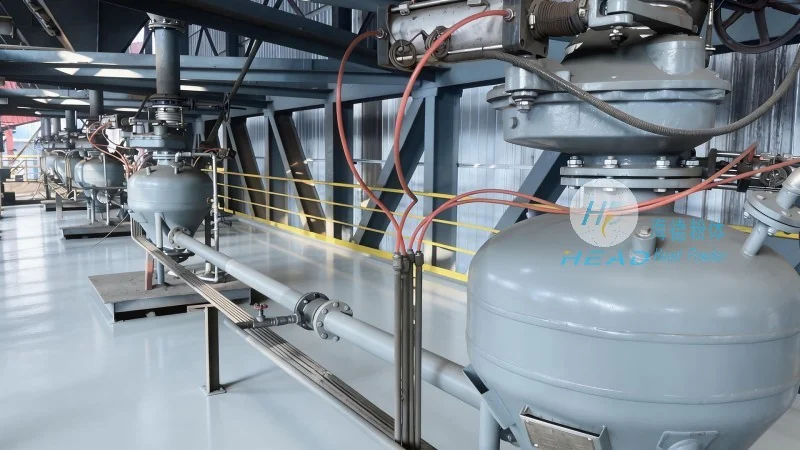
Several methods are widely used in the industry for transporting rice husk ash. Each method has its advantages and is suitable for different scenarios, such as short-distance transport within a facility or long-distance transport to external locations. The choice of method often depends on factors like the volume of material, the distance to be covered, and the available infrastructure.
1. Mechanical Conveying Systems
Mechanical conveying systems, including screw conveyors and belt conveyors, are among the most common methods for transporting rice husk ash. Screw conveyors, also known as auger conveyors, use a rotating screw to move material along a tube or trough. This method is particularly effective for vertical or inclined transport, as it can handle both dry and slightly moist ash without the need for additional power beyond the motor driving the screw. Belt conveyors, on the other hand, use a continuous belt to transport material horizontally or at a slight incline. They are ideal for moving larger quantities of ash over longer distances and can be integrated with other processing equipment for seamless material flow.
2. Pneumatic Conveying Systems
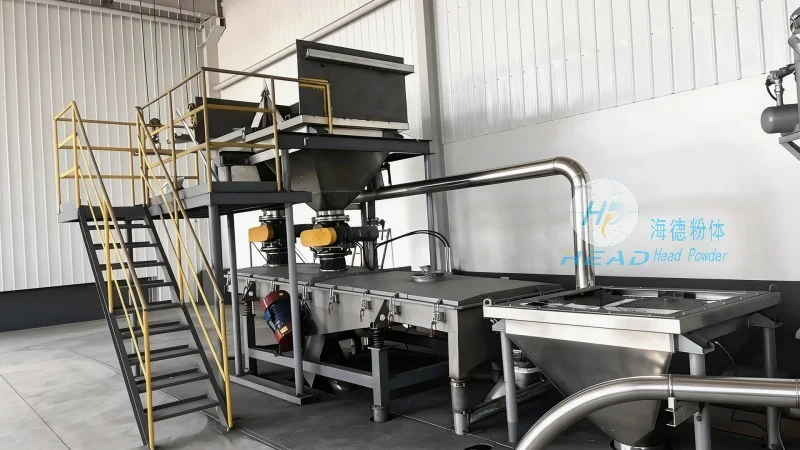
Pneumatic conveying systems utilize air pressure to transport rice husk ash through a pipeline. This method is highly effective for handling fine, dusty materials like rice husk ash, as it minimizes dust exposure and allows for enclosed, clean transport. There are two main types of pneumatic conveying: pressure and vacuum systems. Pressure systems use compressed air to push the material through the pipeline, while vacuum systems use a vacuum to draw the material. The choice between these depends on the distance and the volume of material to be transported. Pneumatic systems are particularly advantageous for long-distance transport and can be designed to handle both dry and slightly wet ash, making them versatile for various applications.
3. Hydraulic Conveying
Hydraulic conveying, though less common for rice husk ash due to its dry nature, can be used in specific cases where other methods are not feasible. This method involves transporting material in a slurry form using water or other liquids. The ash is mixed with water to create a slurry, which is then pumped through pipelines. Hydraulic conveying is effective for long-distance transport and can handle large volumes, but it requires additional equipment for slurry preparation and separation, making it more complex and costly compared to mechanical or pneumatic systems.
4. Gravity Conveying
Gravity conveying relies on the natural force of gravity to move rice husk ash down a sloped conveyor or chute. This method is simple and low-cost, making it suitable for short-distance transport within a facility. It is particularly effective when the material is to be moved from a higher elevation to a lower one. However, gravity conveying is limited by the slope angle and the material's properties, as it cannot handle steep inclines or large quantities efficiently. It is often used as a supplementary method alongside other systems to move material over short distances.
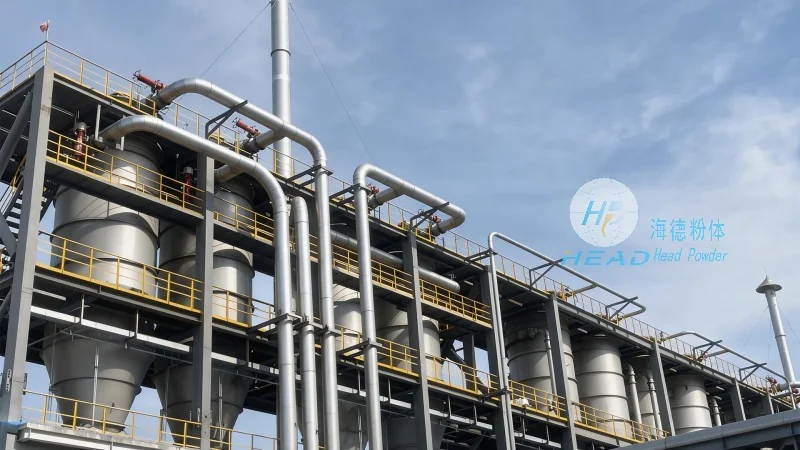
Factors to Consider When Choosing a Transportation Method
When selecting a transportation method for rice husk ash, several factors must be taken into account to ensure optimal performance and cost-effectiveness. The first consideration is the volume and consistency of the material. For large volumes, mechanical or pneumatic systems are typically more efficient. The distance to be covered is another critical factor; pneumatic systems are better suited for long distances, while mechanical systems are more practical for shorter distances. Environmental regulations and dust control measures also play a significant role, as some methods may require additional equipment to minimize dust emissions. Finally, the available budget and space constraints will influence the choice of system, as different methods have varying installation and operational costs.
Shandong HeadPowder Engineering Co., Ltd.: Your Partner in Efficient Rice Husk Ash Transportation
For businesses seeking reliable and efficient solutions for rice husk ash transportation, Shandong HeadPowder Engineering Co., Ltd. offers a range of customized systems tailored to meet specific needs. As a leading provider in the industry, HeadPowder specializes in designing and manufacturing mechanical, pneumatic, and other conveying systems that ensure safe, efficient, and cost-effective transport of rice husk ash. Our team of experts works closely with clients to understand their operational requirements and provides tailored solutions that enhance productivity and reduce operational costs. With a focus on quality and innovation, HeadPowder delivers systems that are built to last and meet the highest industry standards. Whether you need a new installation or upgrades to existing systems, HeadPowder is committed to providing the best possible service and support to help you achieve your goals.

 Shandong Headpowder Engineering Co., Ltd.
 156-6277-7102(Quản lý Trương)
  0531-83386006
  Thành phố Tế Nam, Tỉnh Sơn Đông, Trung Quốc
Điện thoại
WeChatTư vấn
Lên đầu