Với hơn 10 năm kinh nghiệm về vận chuyển khí nén, Headpowder Sơn Đông cung cấp hệ thống, thiết bị và quạt gió toàn chuỗi, đảm nhận các dự án kỹ thuật bột trọn gói trên toàn quốc.
Efficient bread flour conveying is a critical aspect of operations in bakeries and flour mills, as it directly impacts product quality, workflow efficiency, and overall production capacity. Various methods are available to handle the transport of flour, each with its own set of advantages and considerations. Understanding these methods helps businesses select the most suitable option for their specific needs.
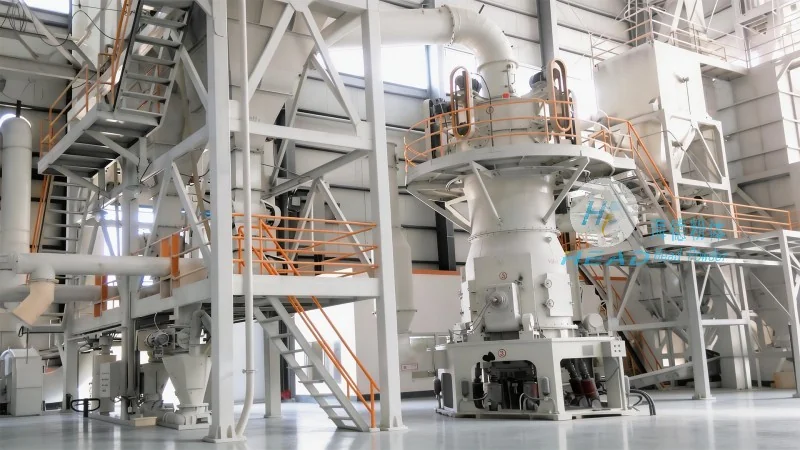
1. Screw Conveyors for Bread Flour Handling
Screw conveyors, or auger conveyors, are a widely used method for transporting bread flour. These systems utilize a rotating helical screw inside a trough or tube to move flour along a horizontal or slightly inclined path. The continuous rotation of the screw ensures a steady flow of flour from the source to the destination, such as from storage bins to mixing equipment. Screw conveyors are known for their simplicity, low maintenance requirements, and ability to handle a range of flour types without causing excessive friction or degradation. They are particularly effective for short to medium distances and can be easily integrated into existing production lines. The design allows for customization based on the volume and particle size of the flour, making them versatile for different applications. For instance, in a bakery setting, a screw conveyor can efficiently move flour from a bulk storage silo to a mixing machine, ensuring a consistent supply for bread production.
2. Pneumatic Conveying Systems
Pneumatic conveying systems employ air or other gases to transport bread flour through a network of pipes. These systems can operate under pressure or vacuum, with pressure systems pushing flour through the pipes and vacuum systems drawing it in. Pneumatic conveying is ideal for longer distances and can handle both fine and coarse flour particles, maintaining a clean and dust-free environment. This method is particularly useful in facilities where flour needs to be distributed to multiple processing units or areas. The flexibility of pneumatic systems allows for the integration of multiple conveying lines, enhancing operational efficiency. However, they require more complex control systems and may have higher energy consumption compared to other methods. Despite these considerations, pneumatic conveying remains a popular choice for large-scale flour operations due to its ability to handle high volumes and maintain product integrity.
3. Bucket Elevators
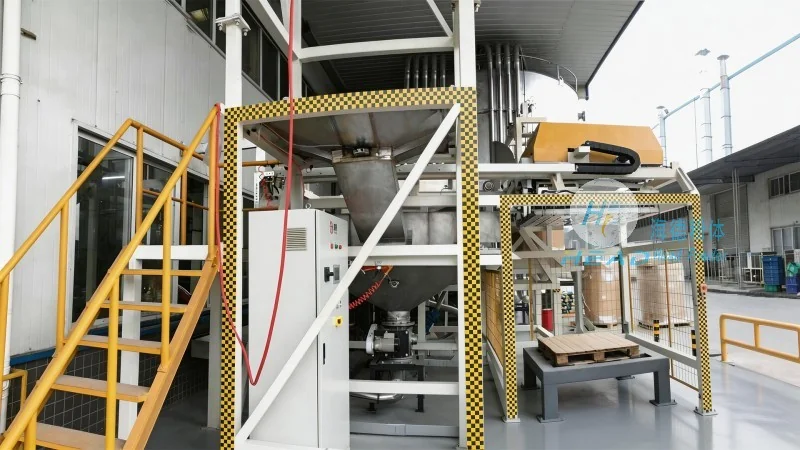
Bucket elevators are an effective solution for vertical or steep-angle transport of bread flour. These systems consist of a series of buckets attached to a chain or belt that moves along a vertical or inclined track. As the buckets ascend, they collect flour from a hopper at the bottom and discharge it at the top. Bucket elevators are capable of handling large volumes and transporting flour over significant vertical heights, making them suitable for elevating flour from ground-level storage to upper-level mixing or processing areas. They are known for their high efficiency and minimal product degradation, as the flour remains contained within the buckets during transport. This method is particularly beneficial in facilities with limited vertical space or where the flour needs to be lifted to a higher level for further processing. The design ensures consistent and reliable flour movement, contributing to smooth production workflows.
4. Belt Conveyors
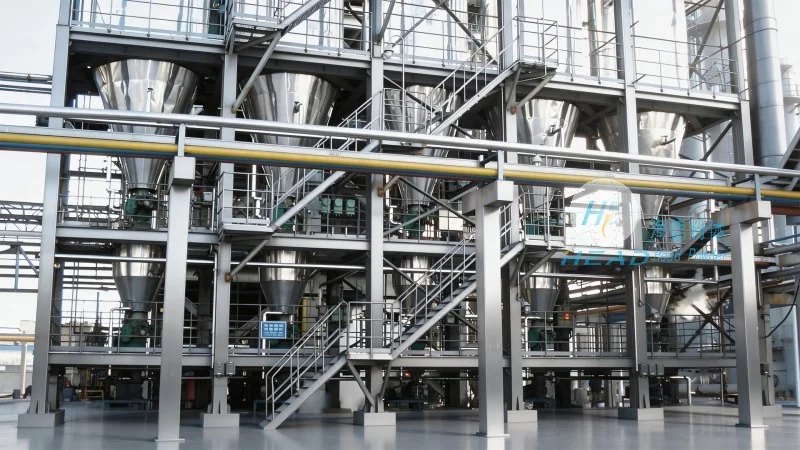
Belt conveyors are a straightforward and cost-effective method for transporting bread flour over short to medium distances. These systems feature a continuous belt that moves along a series of rollers or a flat surface, carrying the flour from one point to another. Belt conveyors are simple to install and operate, making them a practical option for smaller-scale flour handling operations. They are particularly suitable for horizontal transport and can be easily integrated with other equipment such as hoppers and mixers. The smooth surface of the belt minimizes friction and prevents flour from sticking or being damaged during transport. Belt conveyors can be equipped with accessories like side guides or discharge chutes to enhance functionality and adapt to specific flour handling needs. This method is ideal for applications where the flour needs to be moved over a relatively short distance within a facility, such as from a storage bin to a mixing machine.
5. Integrated Conveying Solutions
In many large-scale flour processing facilities, a combination of the above methods is employed to achieve optimal efficiency. For example, a screw conveyor might transport flour from a storage bin to a bucket elevator, which then lifts it vertically to a mixing area. Pneumatic systems could distribute the flour to different processing units or clean the conveying lines. These integrated systems allow for seamless flow of bread flour throughout the production process, reducing downtime and improving overall productivity. The use of combination systems requires careful planning and coordination to ensure each component works in harmony, but they offer significant advantages in terms of flexibility and adaptability to changing production demands.
For businesses in the bread flour industry, selecting the right conveying method is essential for maintaining product quality, ensuring operational efficiency, and meeting production targets. Each method has its own advantages and limitations, and the choice should be based on the specific needs of the facility. By understanding the different options available, companies can make informed decisions that enhance their flour handling capabilities and contribute to overall success in the market. Shandong HeadPowder Engineering Co., Ltd., a leading provider of flour handling solutions, offers a range of equipment and systems tailored to meet the diverse needs of the industry, ensuring reliable and efficient bread flour transport.

 Shandong Headpowder Engineering Co., Ltd.
 156-6277-7102(Quản lý Trương)
  0531-83386006
  Thành phố Tế Nam, Tỉnh Sơn Đông, Trung Quốc
Điện thoại
WeChatTư vấn
Lên đầu