Với hơn 10 năm kinh nghiệm về vận chuyển khí nén, Headpowder Sơn Đông cung cấp hệ thống, thiết bị và quạt gió toàn chuỗi, đảm nhận các dự án kỹ thuật bột trọn gói trên toàn quốc.
When it comes to the efficient handling and transportation of cement additives, selecting the right conveying method is crucial for optimizing production processes and ensuring material integrity. Shandong HeadPowder Engineering Co., Ltd., a leading provider in the industry, specializes in delivering tailored solutions that meet the diverse needs of clients across various sectors. This article explores the primary methods available for cement additive conveying, highlighting their applications, advantages, and suitability for different operational environments.
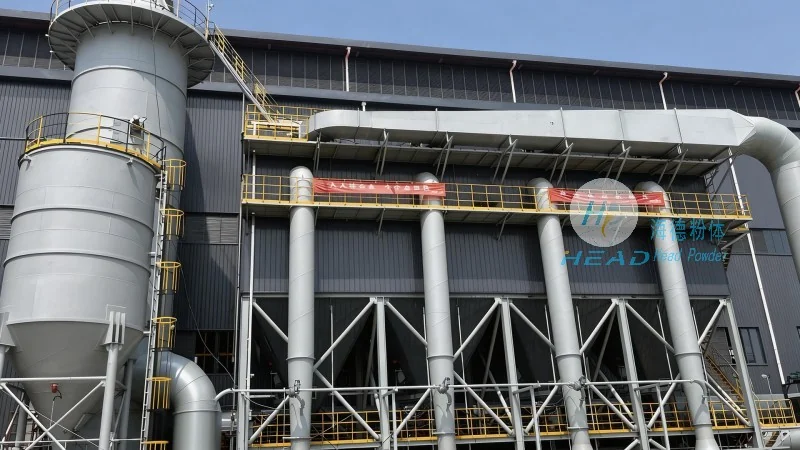
Understanding Cement Additives and Conveying Needs
Cement additives, such as fly ash, slag, and limestone powder, play a vital role in enhancing the performance of concrete and mortar. These materials are often stored in bulk and require reliable transportation to mixing stations or processing units. The choice of conveying method depends on factors like material characteristics (e.g., particle size, moisture content), distance, and the desired level of automation. Proper selection not only improves operational efficiency but also reduces downtime and maintenance costs.
Common Conveying Methods for Cement Additives
Several proven methods are widely used for cement additive conveying, each with distinct features and applications. The following sections detail the most common approaches:
Screw Conveyors (Auger Conveyors)
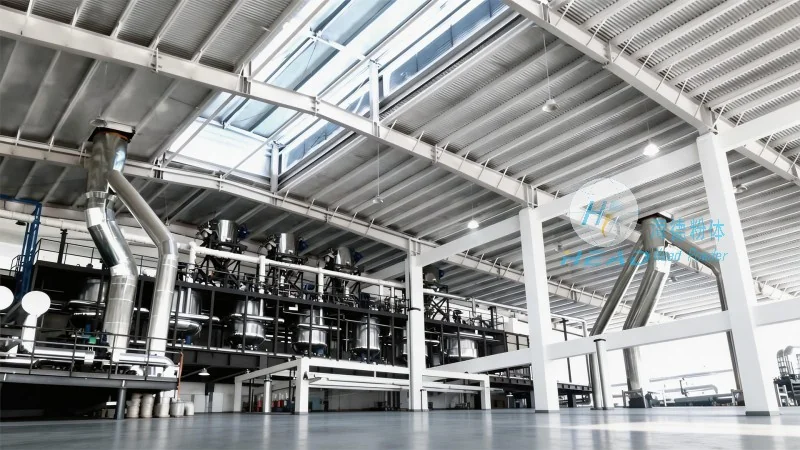
Screw conveyors are among the most popular choices for transporting dry, free-flowing materials like cement additives. These systems consist of a rotating helical screw inside a trough or tube, which moves material from the inlet to the outlet through a series of flights. The design allows for vertical or horizontal transport, making them versatile for various layouts. Screw conveyors are particularly effective for short to medium distances and can handle materials with low to moderate moisture content. They are known for their simplicity, low maintenance, and ability to operate in a closed system, which helps prevent dust contamination and environmental issues.
Pneumatic Conveying Systems
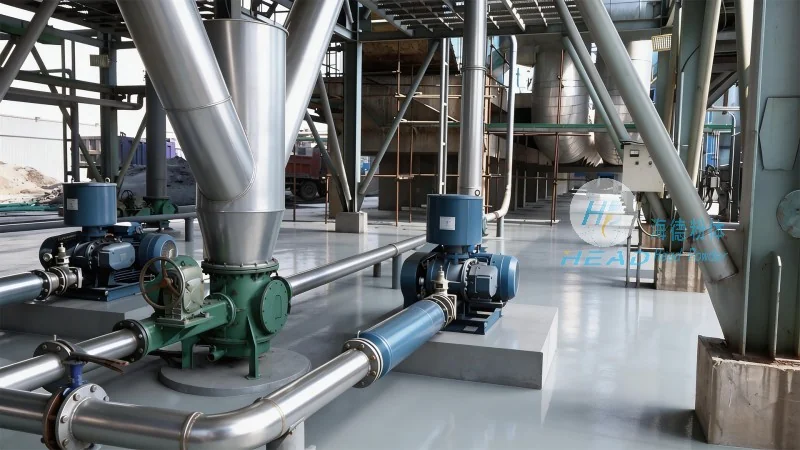
Pneumatic conveying, or air-based transport, uses compressed air to move dry powders through a pipeline. This method is ideal for long-distance transport and can handle fine, dust-like materials that are difficult to convey with mechanical systems. There are two main types: pressure and vacuum systems. Pressure systems push material through the pipeline using positive pressure, while vacuum systems draw material into the system using negative pressure. Pneumatic conveyors are highly effective for preventing material degradation and contamination, as they operate in a sealed environment. However, they require higher energy input and may be less suitable for very abrasive or sticky materials.
Belt Conveyors
Belt conveyors are another common option for cement additive transport, especially for bulk materials over longer distances. These systems use a continuous belt that moves material from one point to another, often with multiple inclines or declines. Belt conveyors are capable of handling large volumes and can be integrated with storage silos and processing equipment. They are suitable for both dry and slightly wet materials, provided the belt material is chosen appropriately to resist wear and moisture. Belt conveyors offer high throughput and are relatively easy to install and maintain, making them a cost-effective solution for many applications.
Vertical Conveyors and Elevators
For vertical transport of cement additives, vertical conveyors or elevators are often employed. These systems lift materials from lower to higher levels without the need for horizontal movement, which can save space and simplify the overall layout. Vertical screw conveyors and bucket elevators are the most common types. They are particularly useful in facilities where space is limited or where the material needs to be elevated to mixing towers or storage silos. Vertical conveyors are designed to handle dry, free-flowing materials and can operate continuously with minimal maintenance. However, they may have limitations on the maximum particle size and can be more complex to install compared to horizontal systems.
Factors to Consider When Choosing a Conveying Method
When selecting a conveying method for cement additives, several key factors must be evaluated to ensure optimal performance and cost-effectiveness. These include:
Material Properties: The size, shape, moisture content, and abrasiveness of the additive will influence the choice of equipment. For example, fine powders may require pneumatic systems, while larger aggregates might be better suited for belt conveyors.
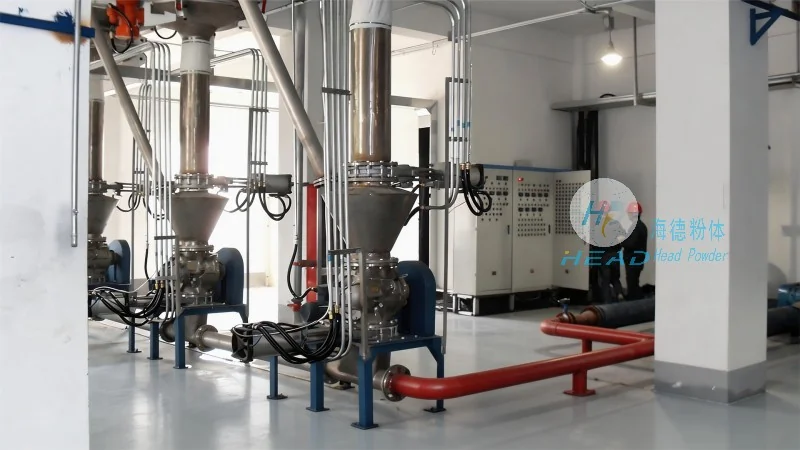
Transport Distance and Layout: The distance between the storage and processing areas, as well as the existing facility layout, will dictate the most efficient system. Short distances may benefit from screw conveyors, while long distances might require pneumatic or belt systems.
Capacity and Throughput Requirements: The desired production rate and material flow rate are critical. Some systems, like belt conveyors, can handle high capacities, whereas others, such as screw conveyors, may be more suitable for lower volumes.
Environmental and Safety Considerations: Dust control, noise levels, and safety features are important, especially in industrial settings. Pneumatic systems excel in dust containment, while enclosed screw conveyors also offer good protection.
Cost and Maintenance: The initial investment and long-term maintenance costs vary by system. While pneumatic conveyors may have higher energy costs, they can reduce overall maintenance due to fewer moving parts compared to mechanical systems.
Conclusion
Choosing the right conveying method for cement additives is essential for maintaining production efficiency, ensuring material quality, and minimizing operational costs. Shandong HeadPowder Engineering Co., Ltd. offers a range of conveying solutions tailored to specific needs, including screw conveyors, pneumatic systems, and belt conveyors. By considering material properties, transport requirements, and operational constraints, businesses can select the most appropriate method to enhance their cement additive handling processes. Whether for short-distance transport or long-distance bulk movement, the right conveying system can significantly improve overall productivity and reliability in cement production and related applications.

 Shandong Headpowder Engineering Co., Ltd.
 156-6277-7102(Quản lý Trương)
  0531-83386006
  Thành phố Tế Nam, Tỉnh Sơn Đông, Trung Quốc
Điện thoại
WeChatTư vấn
Lên đầu