Với hơn 10 năm kinh nghiệm về vận chuyển khí nén, Headpowder Sơn Đông cung cấp hệ thống, thiết bị và quạt gió toàn chuỗi, đảm nhận các dự án kỹ thuật bột trọn gói trên toàn quốc.
When it comes to handling sawdust and wood chips in industrial settings, selecting the right conveying method is crucial for efficiency, cost-effectiveness, and operational safety. Shandong HeadPowder Engineering Co., Ltd., a leading manufacturer based in Shandong, China, specializes in providing high-quality solutions for material handling. This article provides a detailed comparison of common sawdust and wood chip conveying methods, highlighting their advantages and disadvantages to help industrial operators make informed decisions.
Introduction to Sawdust and Wood Chip Conveying
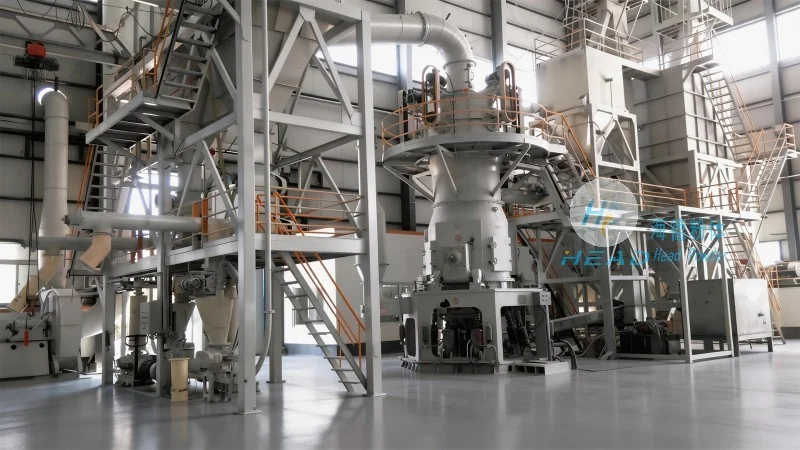
Sawdust and wood chips are byproducts of woodworking processes, and their efficient transport is essential for downstream applications such as pellet production, fuel blending, or recycling. The choice of conveying method depends on factors like material characteristics, distance, volume, and environmental considerations. Below, we explore several widely used methods and evaluate their pros and cons.
Spiral Conveyors (Auger Conveyors)
Spiral conveyors, also known as auger conveyors, are one of the most common solutions for transporting sawdust and wood chips. These systems consist of a rotating helical screw inside a tube, which moves material forward through the tube. The primary advantage of spiral conveyors is their simplicity and low cost. They are relatively easy to install and maintain, making them suitable for small to medium-scale operations. Additionally, they can handle a wide range of materials, including dry or slightly moist sawdust, without the need for additional equipment.
However, spiral conveyors have significant limitations. They are not suitable for long-distance transport, typically operating effectively within 30-50 meters. Beyond this range, the material may experience excessive friction and wear, leading to reduced efficiency and increased maintenance costs. Furthermore, they are prone to clogging, especially with fibrous or wet wood chips, which can cause operational disruptions. The design also limits the material's flow rate, making them less ideal for high-volume applications.
Air-Powered Conveyors (Pneumatic Conveying)
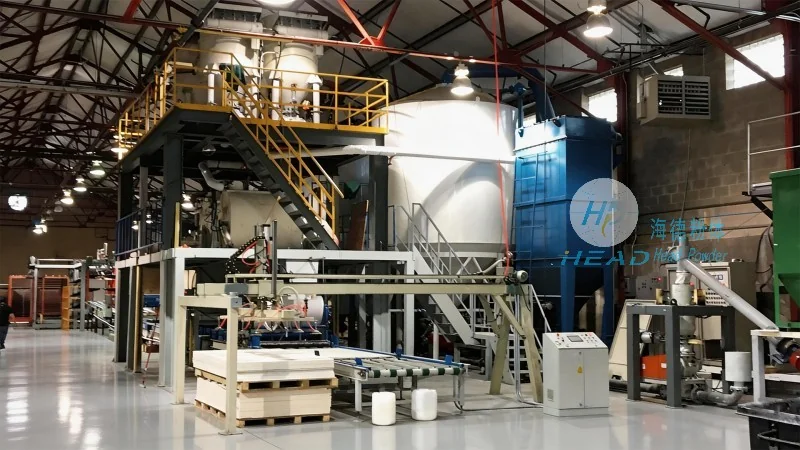
Air-powered or pneumatic conveying systems use compressed air to transport sawdust and wood chips through a pipeline. This method is highly effective for long-distance transport, often covering distances of up to several hundred meters. The main advantage of pneumatic conveying is its ability to handle a wide variety of materials, including fine powders and fibrous materials, without the need for mechanical parts in direct contact with the material. This reduces wear and tear and extends the system's lifespan.
Nevertheless, pneumatic conveying has notable drawbacks. The most significant is the high energy consumption, as it requires continuous compressed air, which increases operational costs. Additionally, the system is sensitive to moisture, as excess water can cause blockages or corrosion in the pipeline. The initial investment is also higher compared to other methods, due to the need for air compressors and filtration systems. Maintenance can be complex, as issues like air leaks or filter clogging require specialized expertise.
Belt Conveyors
Belt conveyors are another popular option for transporting sawdust and wood chips, especially over longer distances. These systems consist of a continuous belt that moves material along a path, often supported by rollers or idlers. The primary advantage of belt conveyors is their ability to handle large volumes of material efficiently. They are suitable for both short and long-distance transport, with some models capable of covering distances of up to several hundred meters. Belt conveyors also allow for easy integration with other equipment, such as feeders or processing machines.
However, belt conveyors have their own limitations. They require regular maintenance to prevent belt wear and slippage, which can reduce efficiency and increase downtime. The system is also susceptible to material buildup on the belt, which may cause uneven loading and potential blockages. Additionally, belt conveyors are not ideal for transporting very fine or fibrous materials, as they may cause the belt to slip or become damaged. The initial cost is higher compared to spiral conveyors, but the long-term operational efficiency can justify the investment for high-volume operations.
Chain Conveyors
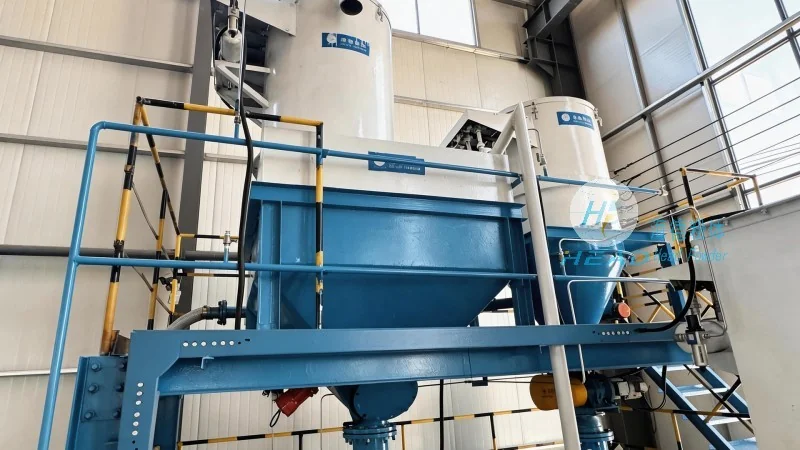
Chain conveyors use a series of interconnected links or chains to transport sawdust and wood chips. These systems are particularly effective for handling bulk materials, especially in applications where the material is heavy or has a high moisture content. The main advantage of chain conveyors is their high load capacity and ability to handle abrasive materials without significant wear. They are also suitable for inclined or vertical transport, making them versatile for various industrial setups.
Despite their strengths, chain conveyors have limitations. They are more complex and expensive to install compared to other methods, as they require precise alignment and tensioning of the chains. Maintenance is also more involved, as chain components need regular inspection and replacement to prevent failure. The system is prone to noise and vibration, which may affect the working environment. Additionally, chain conveyors are not suitable for very fine materials, as the links can cause material to break or become damaged.
Comparison Summary
When selecting a conveying method for sawdust and wood chips, it is essential to consider the specific requirements of the operation. Spiral conveyors are best for short-distance, low-volume applications due to their simplicity and cost-effectiveness. Pneumatic conveying is ideal for long-distance transport of fine or fibrous materials, though it has higher energy costs. Belt conveyors offer a balance between efficiency and cost, suitable for medium to high-volume operations over moderate distances. Chain conveyors are preferred for heavy or abrasive materials, especially in vertical or inclined setups, but they require more maintenance and higher initial investment.
Shandong HeadPowder Engineering Co., Ltd. provides customized conveying solutions tailored to the unique needs of each client. By understanding the material characteristics, operational constraints, and budget considerations, the company can recommend the most suitable system, ensuring optimal performance and long-term reliability. Whether you need a simple spiral conveyor or a complex pneumatic system, HeadPowder offers high-quality equipment and expert consultation to meet your material handling needs.

 Shandong Headpowder Engineering Co., Ltd.
 156-6277-7102(Quản lý Trương)
  0531-83386006
  Thành phố Tế Nam, Tỉnh Sơn Đông, Trung Quốc
Điện thoại
WeChatTư vấn
Lên đầu