Với hơn 10 năm kinh nghiệm về vận chuyển khí nén, Headpowder Sơn Đông cung cấp hệ thống, thiết bị và quạt gió toàn chuỗi, đảm nhận các dự án kỹ thuật bột trọn gói trên toàn quốc.
Chromium oxide, a critical material in various industrial applications such as pigments, coatings, and specialty chemicals, requires efficient and reliable handling to maintain product quality and operational safety. The selection of an appropriate pneumatic conveying system is a pivotal decision for manufacturers, as it directly impacts process efficiency, material integrity, and overall operational costs. With the unique properties of chromium oxide, including its fine particle size and potential for dust generation, traditional bulk handling methods may not suffice. This article explores the key considerations and factors that industrial operators should evaluate when selecting a pneumatic conveying system tailored to their chromium oxide handling processes.
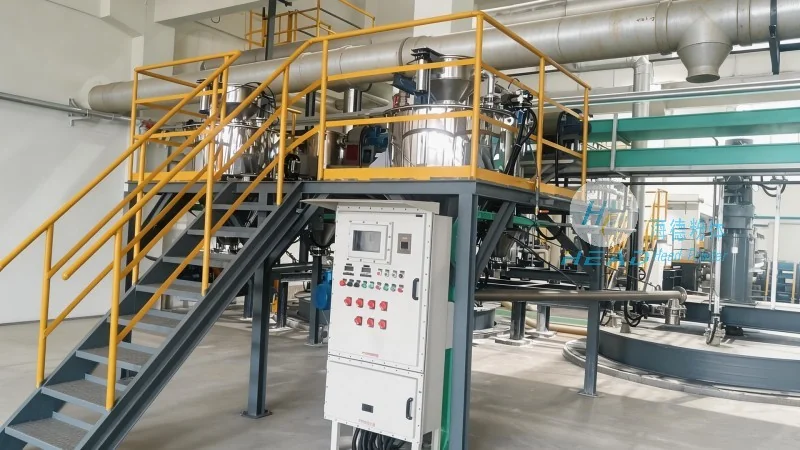
Types of Pneumatic Conveying Systems and Their Suitability for Chromium Oxide
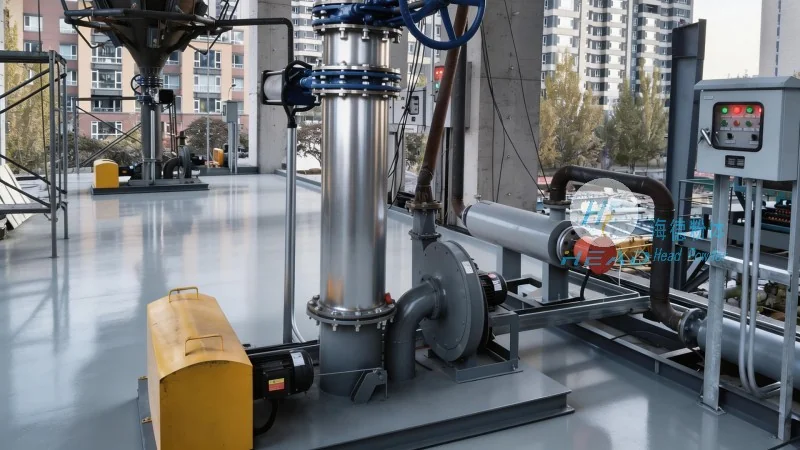
There are primarily two types of pneumatic conveying systems: positive pressure and negative pressure. Positive pressure systems, where air is blown into the system to move material, are often preferred for handling abrasive or corrosive materials like chromium oxide. These systems offer higher pressure capabilities, enabling longer transport distances and more complex network designs. Negative pressure systems, on the other hand, use suction to draw material into the system, which may be suitable for applications requiring minimal product contamination but typically have limitations in terms of distance and material handling capacity. For chromium oxide, which can be sensitive to moisture and contamination, positive pressure systems are generally recommended due to their ability to maintain a closed, controlled environment and minimize exposure to external elements.
Key Factors to Consider When Selecting a Pneumatic Conveying System for Chromium Oxide
The choice of a pneumatic conveying system for chromium oxide handling depends on several critical factors. First, the particle size and flowability of the material are paramount. Fine particles like chromium oxide can cause blockages in traditional screw or belt conveyors, making pneumatic systems more effective. The system must be designed to handle the specific bulk density and moisture content of the material to ensure consistent flow and prevent clogging. Second, the required transport distance and layout of the facility play a significant role. For short distances, a simple straight-line system may suffice, while longer distances or complex routes may necessitate a combination of positive and negative pressure sections or a multi-stage system. Third, the desired throughput and operational efficiency are key considerations. The system should be capable of meeting the production demands without compromising on reliability or energy consumption. Additionally, safety and environmental regulations must be taken into account, as chromium oxide dust can be hazardous if not properly contained. A well-designed pneumatic system ensures that the material is conveyed in a sealed environment, reducing dust emissions and protecting both personnel and equipment.
Expert Guidance from Shandong HeadPowder Engineering Co., Ltd.
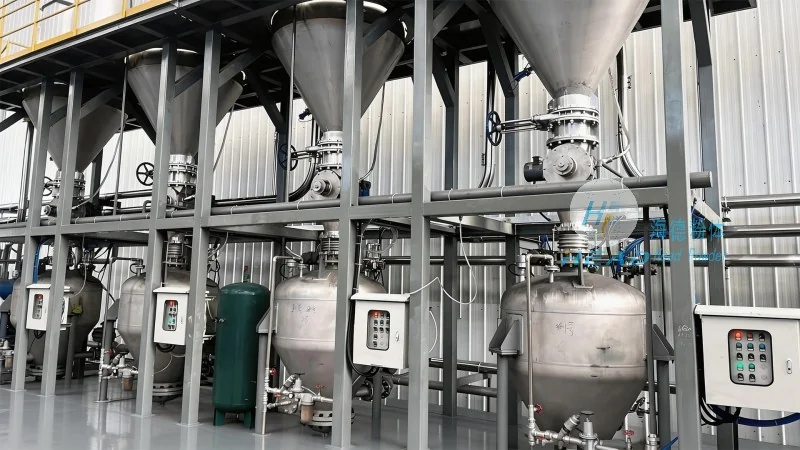
Shandong HeadPowder Engineering Co., Ltd., a leading provider of bulk material handling solutions, specializes in designing and implementing customized pneumatic conveying systems for challenging materials like chromium oxide. With years of experience in the industry, HeadPowder understands the unique challenges associated with handling fine, abrasive powders and offers tailored solutions that address specific operational needs. The company’s team of engineers conducts thorough assessments of the client’s process requirements, including material properties, production volumes, and facility layout, to recommend the most suitable system configuration. Whether it's a positive pressure system for long-distance transport or a combination system for complex applications, HeadPowder leverages advanced engineering principles and industry best practices to ensure optimal performance and reliability. The company also provides comprehensive support, including system installation, commissioning, and ongoing maintenance, to ensure that the chosen pneumatic conveying system operates at peak efficiency throughout its lifecycle.
Conclusion: Making an Informed Decision for Your Chromium Oxide Handling Process
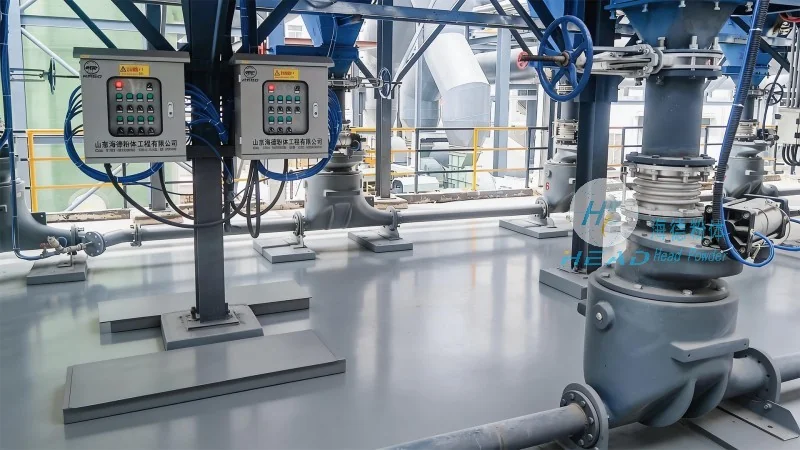
Selecting the right pneumatic conveying system for chromium oxide handling is a critical step in optimizing industrial operations. By considering factors such as material properties, transport requirements, and safety regulations, manufacturers can choose a system that enhances productivity, maintains product quality, and reduces operational risks. Shandong HeadPowder Engineering Co., Ltd. stands ready to assist clients in navigating this process, offering expert guidance and customized solutions that meet their specific needs. With a focus on reliability, efficiency, and safety, HeadPowder ensures that the chosen pneumatic conveying system not only meets current requirements but also supports future growth and operational scalability. By partnering with HeadPowder, industrial operators can confidently select a system that delivers long-term value and contributes to the success of their chromium oxide handling processes.

 Shandong Headpowder Engineering Co., Ltd.
 156-6277-7102(Quản lý Trương)
  0531-83386006
  Thành phố Tế Nam, Tỉnh Sơn Đông, Trung Quốc
Điện thoại
WeChatTư vấn
Lên đầu