Với hơn 10 năm kinh nghiệm về vận chuyển khí nén, Headpowder Sơn Đông cung cấp hệ thống, thiết bị và quạt gió toàn chuỗi, đảm nhận các dự án kỹ thuật bột trọn gói trên toàn quốc.
When it comes to the efficient and reliable transportation of sponge sand, various methods and equipment are available to meet different operational needs. As a leading provider in the field, Shandong HeadPowder Engineering Co., Ltd., based in Shandong, China, specializes in offering tailored solutions for sand transportation systems. This article explores the common approaches to sponge sand transportation, highlighting the key factors that influence the choice of method.
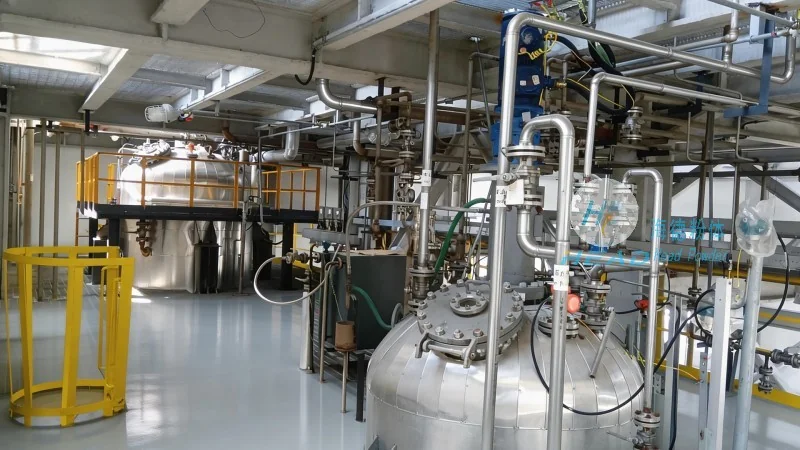
Understanding Sponge Sand and Its Transportation Requirements
Sponge sand, also known as expanded sand or lightweight aggregate, is a type of sand that has been expanded through a chemical or physical process to increase its porosity and reduce its density. This material is widely used in construction, foundry, and other industrial applications due to its lightweight properties and good thermal insulation characteristics. The transportation of sponge sand requires careful consideration of its physical properties, such as its low bulk density, tendency to flow, and potential for dust generation. These factors directly impact the selection of the most suitable transportation method to ensure minimal material loss, low energy consumption, and efficient handling.
Common Transportation Methods for Sponge Sand
Several transportation methods are commonly employed for sponge sand, each with its own advantages and limitations. The choice of method depends on factors like the distance to be covered, the volume of material to be moved, the available space, and the specific requirements of the end-use application.
Spiral Conveyors (Screw Conveyors)
Spiral conveyors are one of the most widely used methods for transporting sponge sand. These systems consist of a rotating screw (helix) inside a U-shaped or cylindrical tube. As the screw rotates, it pushes the material forward along the conveyor. Spiral conveyors are particularly effective for horizontal or slightly inclined transport, and they can handle a wide range of materials, including fine and powdery substances like sponge sand. The key advantages of spiral conveyors include their compact design, low maintenance requirements, and ability to operate in a closed system, which helps minimize dust and material spillage. However, they may not be suitable for very long distances or when steep inclines are required, as the power consumption can increase significantly with longer lengths or steeper angles.
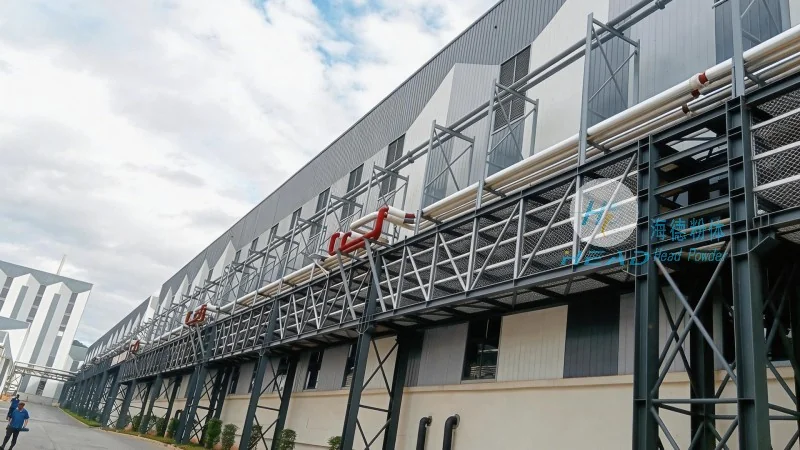
Air-Pressure Conveyors (Pneumatic Conveying)
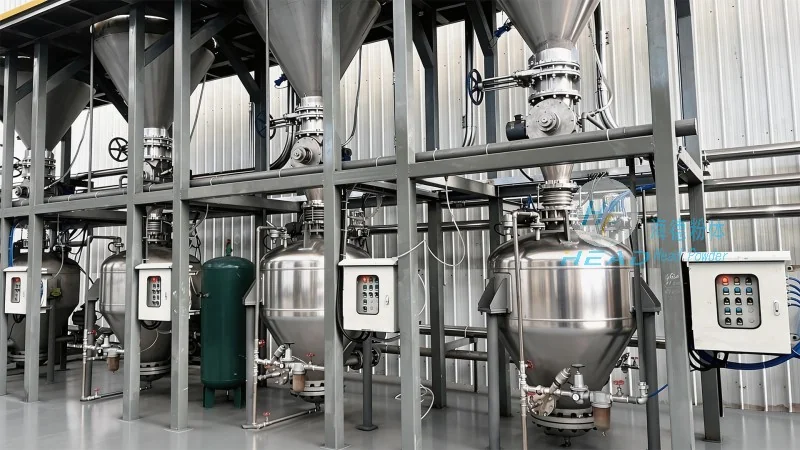
Air-pressure or pneumatic conveying systems use compressed air to transport sponge sand through a pipeline. In this method, the material is fed into a hopper and then drawn into the pipeline by the air flow. The air and sand mixture travels through the pipeline to the destination point, where the air is separated from the material, typically using a cyclone or filter. Pneumatic conveying is highly effective for long-distance transport, especially when the material needs to be moved vertically or over considerable distances. It is also suitable for applications where dust control is critical, as the system can be enclosed and the air can be filtered to prevent contamination. The main benefits include high capacity, flexibility in layout, and the ability to transport materials in a closed system. However, pneumatic conveying can be more energy-intensive compared to other methods, and the initial setup costs may be higher due to the need for air compressors and specialized equipment.
Pneumatic Vacuum Conveyors
Vacuum conveying systems are a variation of pneumatic conveying that use a vacuum to draw the material into the pipeline. This method is particularly useful for transporting sponge sand from multiple sources or over short to medium distances. The system operates by creating a vacuum at the receiving end, which pulls the material from the source into the pipeline. Vacuum conveyors are often preferred for applications where the material is to be collected from various points or where the material is sensitive to high air pressure. They are also suitable for handling fine powders and can operate with lower air velocities compared to pressure conveying, which reduces wear on the equipment and minimizes dust generation. The advantages of vacuum conveyors include their ability to handle materials from multiple points and their relatively low energy consumption for short distances. However, they may have lower capacity compared to pressure systems and are generally less effective for long-distance transport.
Polyester Belt Conveyors
Polyester belt conveyors are another common method for transporting sponge sand, especially in applications where continuous and high-volume transport is required. These systems use a flexible belt made of polyester or similar materials to move the material along a fixed path. The belt is supported by rollers or idlers, and the material is placed on the belt and carried to the destination. Belt conveyors are highly efficient for horizontal or gently inclined transport and can handle large volumes of material with minimal maintenance. They are particularly suitable for applications where the material needs to be transported over long distances or in a continuous flow. The key advantages of belt conveyors include their high capacity, durability, and ability to handle a wide range of materials, including abrasive or dusty substances like sponge sand. However, they require more space compared to other methods and may not be suitable for vertical transport or when the material is very fine and prone to dusting.
Factors Influencing the Choice of Transportation Method
The selection of the most appropriate transportation method for sponge sand depends on several critical factors. These factors include the distance and layout of the transport route, the volume and consistency of the material, the need for dust control, the available space and infrastructure, and the budget constraints. For short distances and horizontal transport, spiral conveyors or belt conveyors may be sufficient. For longer distances or when vertical transport is required, pneumatic conveying systems are often the best choice. The choice also depends on the specific properties of the sponge sand, such as its moisture content, particle size distribution, and tendency to agglomerate. For example, if the sand is very fine and prone to dusting, a closed system like pneumatic conveying may be preferred to prevent contamination and material loss. Additionally, the operational environment, such as the presence of other equipment or the need for integration with existing systems, can influence the selection of the transportation method.
Conclusion
In conclusion, the transportation of sponge sand requires careful consideration of the material's properties and the operational requirements. Shandong HeadPowder Engineering Co., Ltd. offers a range of transportation solutions tailored to meet these needs, ensuring efficient and reliable handling of sponge sand. By understanding the different methods available and the factors that influence their selection, industries can choose the most suitable system to optimize their operations and minimize costs. Whether using spiral conveyors, pneumatic systems, or belt conveyors, the goal is to achieve efficient material transport while maintaining safety, cleanliness, and operational efficiency.

 Shandong Headpowder Engineering Co., Ltd.
 156-6277-7102(Quản lý Trương)
  0531-83386006
  Thành phố Tế Nam, Tỉnh Sơn Đông, Trung Quốc
Điện thoại
WeChatTư vấn
Lên đầu