Với hơn 10 năm kinh nghiệm về vận chuyển khí nén, Headpowder Sơn Đông cung cấp hệ thống, thiết bị và quạt gió toàn chuỗi, đảm nhận các dự án kỹ thuật bột trọn gói trên toàn quốc.
When it comes to the efficient and safe transportation of coke powder, various methods are employed across industries to ensure optimal performance and minimal risk. Understanding these methods is crucial for businesses involved in the coke production and distribution chain. Shandong HeadPowder Engineering Co., Ltd., a leading provider in the field, specializes in designing and implementing effective coke powder transportation solutions. This article explores the primary approaches used for coke powder transportation, highlighting the key considerations and applications.
Overview of Coke Powder Transportation
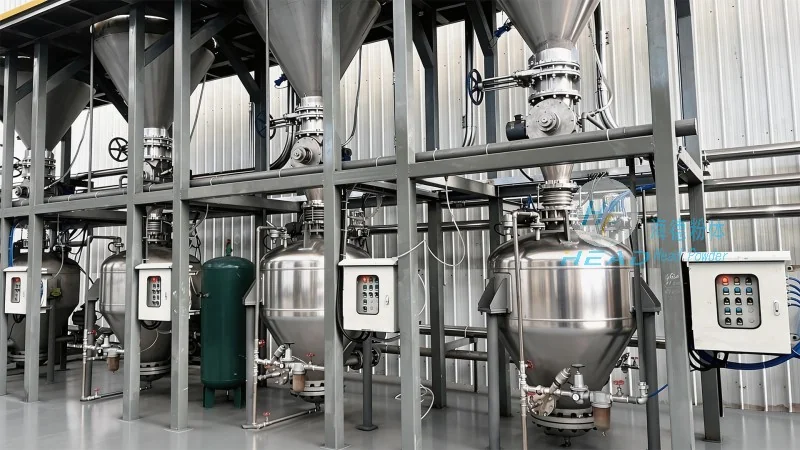
Coke powder, a fine particulate material derived from the carbonization of coal, is widely used in steelmaking, foundries, and other industrial processes. Its transportation requires specialized equipment and techniques to prevent dust generation, caking, and material loss. The methods employed vary based on the scale of operation, distance, and the specific properties of the coke powder being handled.
Common Transportation Methods for Coke Powder
Several established methods are commonly used for coke powder transportation, each with its own advantages and limitations. These include pneumatic conveying, belt conveyors, screw conveyors, and truck or rail transport. Each method is designed to address specific challenges associated with handling fine powders like coke powder.
Pneumatic Conveying Systems
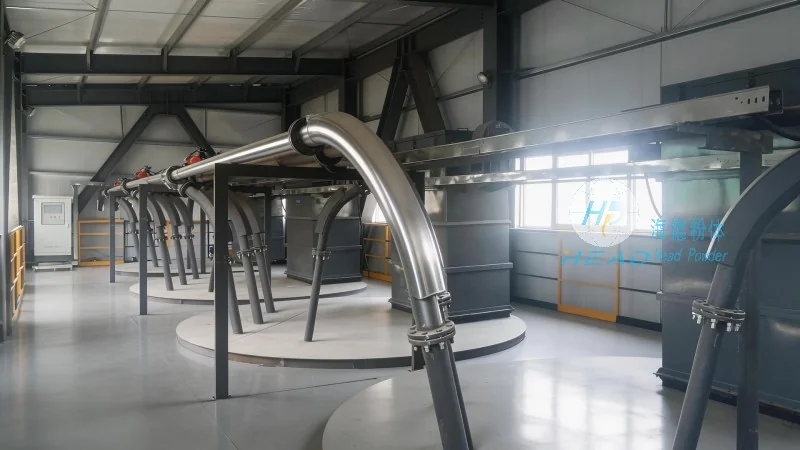
Pneumatic conveying is a widely adopted method for transporting coke powder over short to medium distances. This technique involves using air pressure to move the powder through a pipeline system. There are two main types of pneumatic conveying: pressure and vacuum systems. Pressure systems use compressed air to push the powder forward, while vacuum systems use a vacuum to draw the material into the pipeline. The choice between these systems depends on factors such as the distance, material characteristics, and the need for dust control.
For coke powder, pressure pneumatic conveying is often preferred due to its ability to handle high volumes and prevent material degradation. The system typically consists of a hopper, a rotary airlock valve, a conveyor line, and a receiver. The rotary airlock valve ensures a controlled flow of powder into the pipeline, preventing backflow and maintaining consistent pressure. The conveyor line is usually made of stainless steel or other corrosion-resistant materials to withstand the abrasive nature of coke powder.
Belt Conveyors
Belt conveyors are another common method for transporting coke powder, especially over longer distances or in bulk quantities. These systems use a continuous belt that moves the powder from the loading point to the discharge point. The belt is supported by rollers and guided by idlers, ensuring smooth and efficient movement. Belt conveyors are particularly effective for horizontal or slightly inclined transport, making them suitable for industrial plants and storage facilities.
When transporting coke powder with belt conveyors, special considerations are necessary to prevent dust and material spillage. The belt material is often chosen to be non-stick and resistant to abrasion, such as rubber or PVC-coated fabrics. Additionally, dust suppression systems, like water sprayers or enclosed conveyor designs, are used to minimize airborne particles and ensure compliance with environmental regulations.
Screw Conveyors
Screw conveyors, also known as auger conveyors, are another option for coke powder transportation, especially for vertical or inclined transport. These systems use a rotating screw (auger) to move the powder through a trough or tube. The screw is made of durable materials like stainless steel or carbon steel, designed to handle the abrasive and caking properties of coke powder.
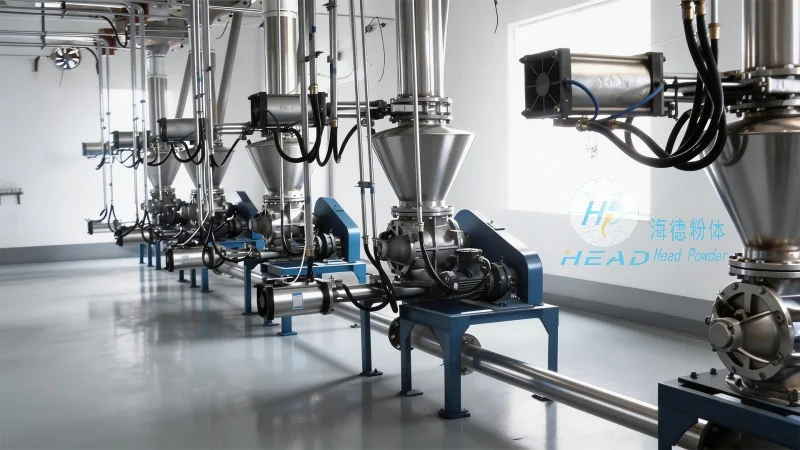
Screw conveyors are particularly useful for transporting coke powder in vertical lifts, where gravity might otherwise cause material settling or blockages. The design allows for a compact and enclosed system, reducing dust exposure and improving safety. However, they are generally more suitable for smaller volumes and shorter distances compared to pneumatic or belt conveyors.
Truck and Rail Transport
For long-distance transportation of coke powder, truck and rail transport are commonly used. Trucks are ideal for local or regional delivery, while rail transport is more suitable for bulk shipments over longer distances. These methods are typically used when the powder is in bulk form, such as in bulk containers or hopper cars.
Truck transport involves loading the coke powder into specialized trucks equipped with dust-tight containers or enclosed trailers. These vehicles are designed to minimize dust emissions during transit and ensure the material remains contained. Rail transport, on the other hand, uses hopper cars that are specifically designed to handle fine powders. The cars are equipped with dust suppression systems and secure loading mechanisms to prevent spillage and ensure safe transport.
Key Considerations for Coke Powder Transportation
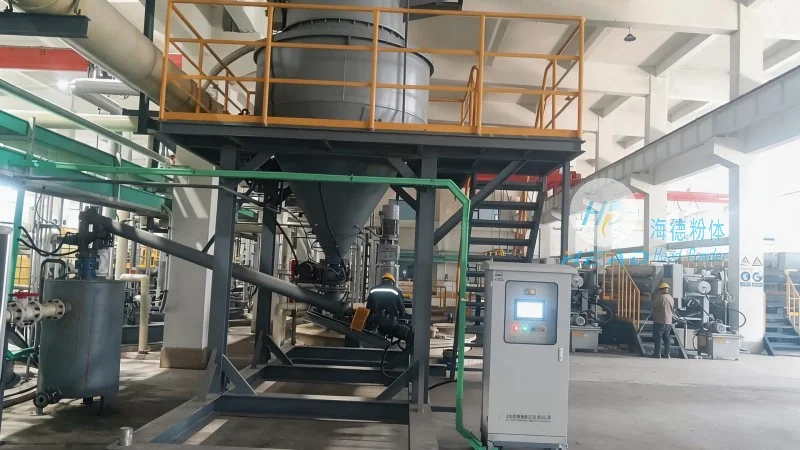
Regardless of the method chosen, several key considerations must be addressed to ensure efficient and safe coke powder transportation. These include material handling, dust control, equipment maintenance, and environmental compliance. Proper selection of the transportation method is critical to minimize material loss, prevent equipment damage, and maintain operational efficiency.
Material handling is a primary concern when transporting coke powder. The fine nature of the powder makes it prone to caking and bridging, which can lead to blockages in equipment. Proper moisture control and the use of anti-caking agents can help mitigate these issues. Additionally, the abrasive properties of coke powder can cause wear and tear on conveyor components, requiring regular maintenance and replacement of parts.
Dust control is another critical aspect of coke powder transportation. Excessive dust can lead to health hazards for workers and environmental pollution. Various measures are employed to control dust, including enclosed systems, dust suppression systems, and regular cleaning of equipment. These measures not only ensure safety but also help maintain the quality of the coke powder by preventing contamination.
Equipment maintenance is essential to ensure the longevity and efficiency of transportation systems. Regular inspections, lubrication, and replacement of worn parts are necessary to prevent breakdowns and ensure consistent performance. Proper maintenance also helps in reducing downtime and operational costs associated with coke powder transportation.
Environmental compliance is a growing concern in the industry, and transportation methods must adhere to local regulations regarding dust emissions and waste disposal. Companies must implement measures to minimize their environmental impact, such as using enclosed systems and proper waste management practices.
Conclusion
In conclusion, the transportation of coke powder requires careful consideration of various factors, including the method used, equipment selection, and operational considerations. Pneumatic conveying, belt conveyors, screw conveyors, and truck/rail transport are all viable options, each with its own advantages and limitations. The choice of method depends on the specific needs of the business, such as distance, volume, and environmental regulations. By understanding these methods and implementing proper practices, companies can ensure efficient and safe transportation of coke powder, supporting their operations in the steelmaking and other industrial sectors.

 Shandong Headpowder Engineering Co., Ltd.
 156-6277-7102(Quản lý Trương)
  0531-83386006
  Thành phố Tế Nam, Tỉnh Sơn Đông, Trung Quốc
Điện thoại
WeChatTư vấn
Lên đầu