Với hơn 10 năm kinh nghiệm về vận chuyển khí nén, Headpowder Sơn Đông cung cấp hệ thống, thiết bị và quạt gió toàn chuỗi, đảm nhận các dự án kỹ thuật bột trọn gói trên toàn quốc.
Conveying casting sand is a critical process in foundries, ensuring efficient material handling and maintaining production flow. The choice of conveying method depends on various factors such as the type of sand, production volume, and operational environment. This article explores the primary methods used for casting sand transportation, highlighting the capabilities and advantages of each approach.
1. Screw Conveyors for Casting Sand
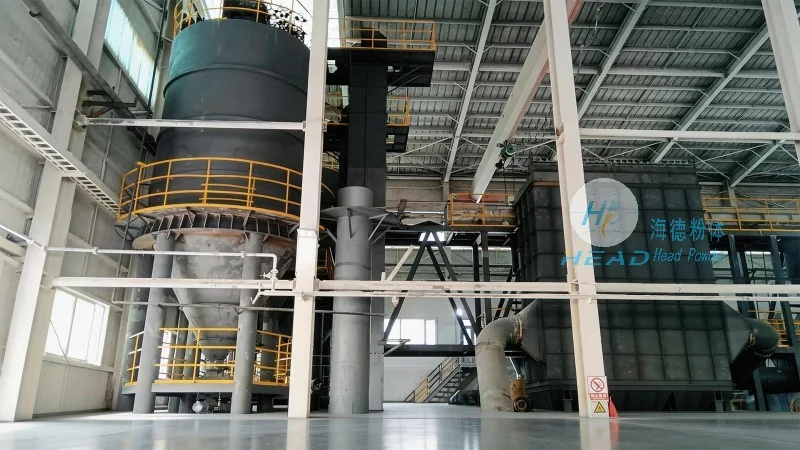
Screw conveyors, also known as auger conveyors, are widely used for the horizontal or slight inclined transport of casting sand. These equipment consist of a rotating helical screw inside a U-shaped or tubular housing. As the screw rotates, it pushes the sand forward, making it suitable for both dry and slightly moist sand conditions. The design allows for a compact footprint, making it ideal for installations with limited space. The screw conveyor is particularly effective for conveying sand from storage bins to processing equipment or for moving sand between different stages of the casting process. Its ability to handle abrasive materials like casting sand without significant wear makes it a reliable choice for foundry operations.
2. Pneumatic Conveying Systems
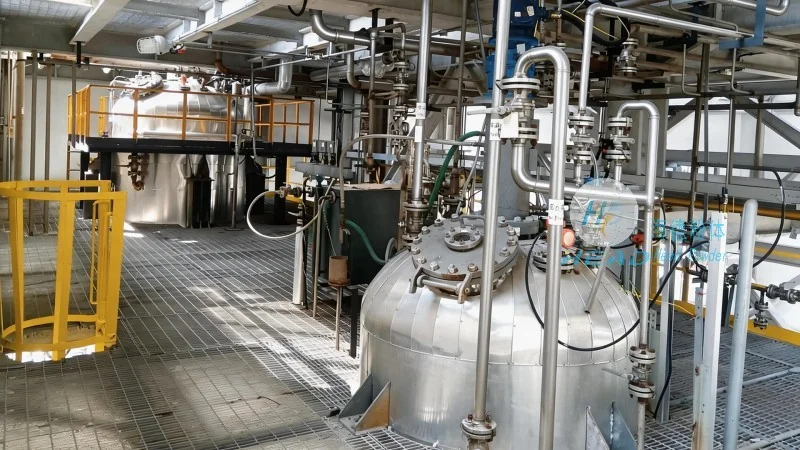
Pneumatic conveying systems utilize air or other gases to transport casting sand through a pipeline network. These systems can be categorized into two main types: dilute phase and dense phase. Dilute phase systems use high-velocity air to create a cloud of sand particles, which are then carried through the pipeline. Dense phase systems, on the other hand, operate at lower velocities, allowing for a higher concentration of sand in the air stream, which reduces particle degradation and improves efficiency. Pneumatic conveying offers advantages such as the ability to transport sand over long distances, vertical and horizontal transport capabilities, and the option to integrate with dust collection systems. This method is particularly beneficial for applications requiring clean and dust-free sand handling, as the enclosed pipeline prevents contamination and environmental issues.
3. Belt Conveyors in Foundry Sand Handling
Belt conveyors are another common method for conveying casting sand, especially in applications requiring long-distance transport or elevated material movement. These systems consist of a continuous belt that moves over rollers or pulleys, carrying the sand from one location to another. Belt conveyors can be designed with multiple idlers and tensioning mechanisms to handle heavy loads and ensure smooth operation. They are suitable for both dry and wet sand, and can be equipped with side walls or load chutes to contain the material. The use of belt conveyors in foundries allows for efficient material transfer between storage, processing, and casting areas, reducing manual labor and improving overall productivity. The durability of the belt and the robust design of the conveyor system make it a long-lasting solution for sand handling.
4. Vibrating Conveyors for Bulk Material Transport
Vibrating conveyors employ vibration to move casting sand along a trough or conveyor bed. The vibration is typically generated by an electric motor connected to a drive system, which causes the conveyor to oscillate at a specific frequency. This motion helps to lift and move the sand forward, making it effective for both horizontal and inclined transport. Vibrating conveyors are particularly useful for handling materials with high moisture content or those that are prone to caking, as the vibration prevents material buildup and ensures consistent flow. They are also suitable for transporting sand with embedded debris or other contaminants, as the design allows for easy cleaning and maintenance. The simplicity of the vibrating conveyor design, combined with its low maintenance requirements, makes it a cost-effective solution for foundry sand handling.
5. Hydraulic Conveying Systems
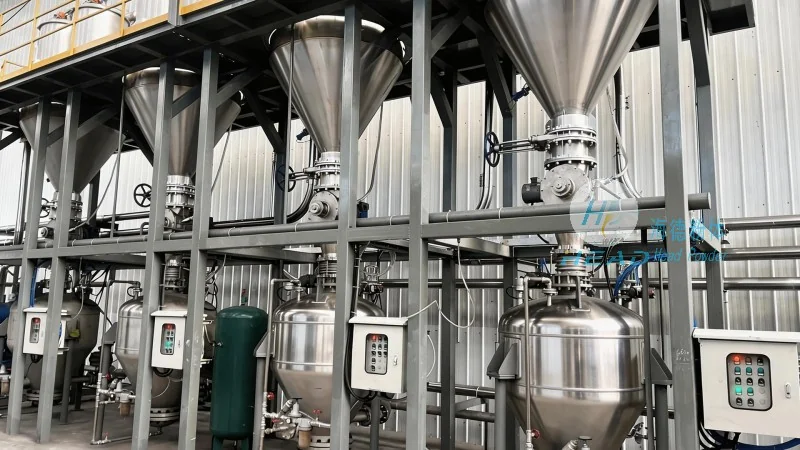
Hydraulic conveying systems use water or other liquids to transport casting sand through a pipeline. The sand is suspended in the liquid and carried to the destination. This method is particularly effective for transporting sand over long distances, especially in applications where vertical lift is required. Hydraulic conveyors are often used in large-scale foundries where the volume of sand to be handled is high. The system consists of a pump, a pipeline network, and a settling tank to separate the sand from the liquid. The use of hydraulic conveying reduces the need for mechanical components like belts or screws, which can wear out over time. This results in lower maintenance costs and longer service life. However, the system requires careful management of water usage and disposal, as the liquid must be treated to prevent environmental contamination.
6. Combination Conveying Systems
In many foundries, a combination of the above methods is used to achieve optimal sand handling. For example, a screw conveyor might be used to move sand from a storage bin to a pneumatic conveying system, which then transports it to the casting area. This integrated approach allows for efficient material flow and minimizes bottlenecks in the production process. The use of combination systems also enables foundries to adapt to changing production demands, as different conveying methods can be selected based on the specific requirements of each stage. By leveraging the strengths of each method, foundries can improve overall efficiency, reduce downtime, and enhance the quality of the casting process.
When selecting a conveying method for casting sand, foundries should consider factors such as the type of sand, production volume, distance to be covered, and environmental regulations. Each method has its own advantages and limitations, and the choice should be based on a thorough analysis of the operational needs and constraints. By investing in the right conveying equipment, foundries can enhance their productivity, reduce labor costs, and improve the overall quality of their casting operations. Shandong HeadPowder Engineering Co., Ltd., a leading provider of foundry equipment, offers a range of conveying solutions tailored to the specific needs of foundry operations. With years of experience in the industry, the company provides high-quality, reliable equipment that meets the demands of modern foundries. Located in Shandong, China, HeadPowder Engineering Co., Ltd. is committed to delivering innovative solutions that enhance the efficiency and sustainability of foundry processes.

 Shandong Headpowder Engineering Co., Ltd.
 156-6277-7102(Quản lý Trương)
  0531-83386006
  Thành phố Tế Nam, Tỉnh Sơn Đông, Trung Quốc
Điện thoại
WeChatTư vấn
Lên đầu