Với hơn 10 năm kinh nghiệm về vận chuyển khí nén, Headpowder Sơn Đông cung cấp hệ thống, thiết bị và quạt gió toàn chuỗi, đảm nhận các dự án kỹ thuật bột trọn gói trên toàn quốc.
Adipic acid, a crucial chemical intermediate widely used in the production of nylon and other polymers, requires efficient and safe transportation methods to ensure its delivery to various industrial applications. The transportation of adipic acid involves several key considerations, including material handling, storage, and transportation modes, all of which are critical for maintaining product integrity and compliance with safety standards. In this article, we will explore the primary methods used for transporting adipic acid, highlighting the importance of each approach in the supply chain.
Common Transportation Methods for Adipic Acid
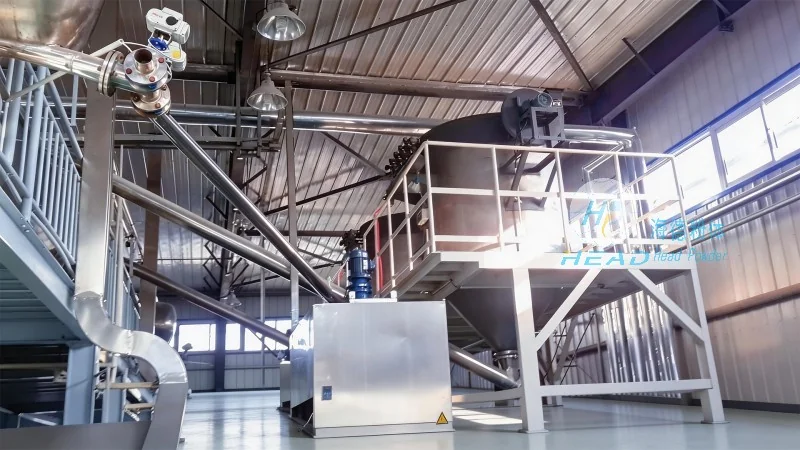
Several transportation methods are commonly employed for adipic acid, each suited to different scales of operation and logistical requirements. The choice of method often depends on factors such as the volume of the shipment, the distance to the destination, and the specific handling needs of the chemical. The most prevalent options include bulk shipping via tank trucks, railcars, and maritime vessels, as well as smaller-scale transport using containers and specialized packaging.
Bulk Tank Truck Transportation
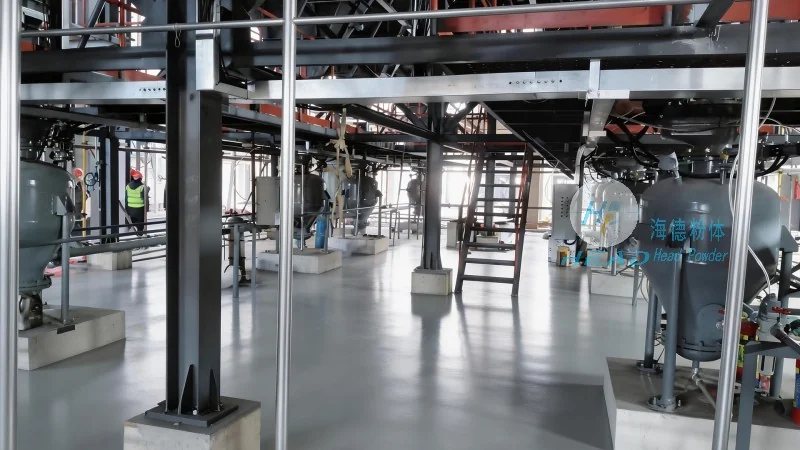
Bulk tank truck transportation is a widely used method for moving adipic acid over short to medium distances. Tank trucks are specifically designed to carry liquid chemicals, featuring corrosion-resistant materials like stainless steel or lined carbon steel to prevent contamination and ensure safety. These vehicles are equipped with pressure relief valves, emergency shut-off systems, and temperature monitoring devices to maintain the chemical's stability during transit. The process typically involves loading the adipic acid into the tank truck at the production facility or storage terminal, followed by secure transportation to the customer's site. This method allows for flexible delivery schedules and can accommodate varying volumes, making it suitable for both large-scale manufacturers and smaller industrial users.
Railcar Transportation
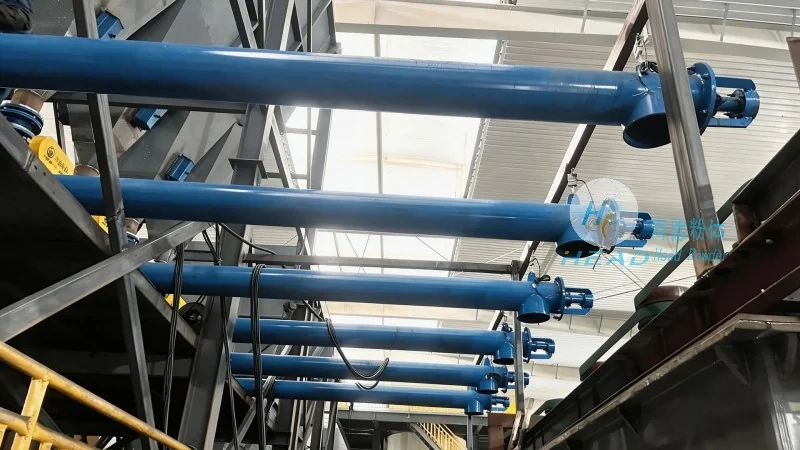
For longer distances and larger volumes, railcar transportation offers an efficient and cost-effective solution. Specialized tank cars, often referred to as tank cars or tank wagons, are used to transport adipic acid by rail. These railcars are constructed with similar corrosion-resistant materials as tank trucks and are equipped with safety features to prevent leaks or spills. Rail transportation is particularly advantageous for moving large quantities of adipic acid between regions or across the country, as it can handle higher volumes with fewer logistical constraints compared to road transport. Additionally, rail transport reduces road congestion and carbon emissions, aligning with modern sustainability goals in the chemical industry.
Maritime Vessel Transportation
For international shipments or very large volumes, maritime vessel transportation is the primary choice. Tankers or bulk carriers are used to transport adipic acid in bulk, typically in specialized containers or tank holds. These vessels are designed to handle hazardous materials, with robust safety systems to prevent leaks, spills, or accidents at sea. The process involves loading the adipic acid into the vessel at the port of origin, followed by transport to the destination port. Maritime transport is ideal for long-distance movements, such as shipping from production facilities in China to global markets, and can accommodate massive quantities of the chemical. However, it requires careful planning for port operations, customs clearance, and adherence to international maritime regulations to ensure compliance and safety.
Specialized Packaging and Handling
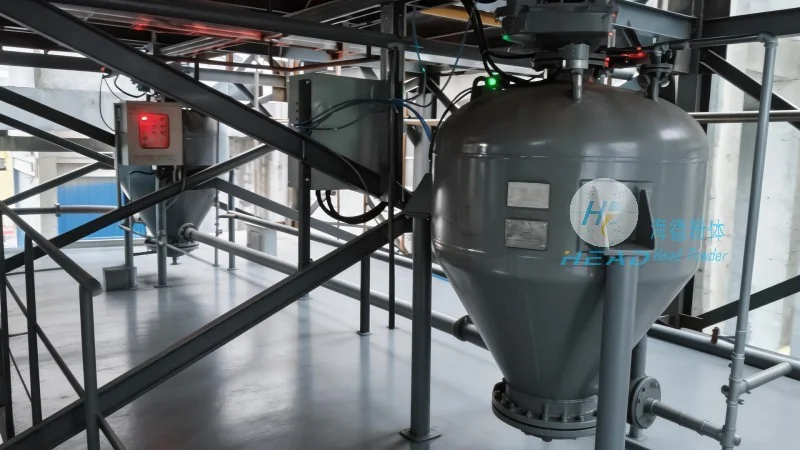
In addition to the primary transportation modes, specialized packaging and handling techniques are essential for adipic acid. Adipic acid is a corrosive liquid that can be harmful if not handled properly. Therefore, it is typically transported in sealed containers, such as plastic or metal drums, or in bulk tankers. The containers are often equipped with venting systems to release pressure and prevent overfilling. During loading and unloading, workers must follow strict safety protocols, including wearing protective gear like gloves, goggles, and respirators. The use of loading arms and other specialized equipment ensures that the chemical is transferred without spills or contamination. These measures are critical for maintaining the quality of the product and protecting personnel and the environment.
Company Profile: Shandong HeadPowder Engineering Co., Ltd.
As a leading provider of chemical transportation solutions, Shandong HeadPowder Engineering Co., Ltd. specializes in the safe and efficient handling of adipic acid and other chemical products. With a strong commitment to quality and safety, the company has established itself as a trusted partner in the chemical industry. HeadPowder operates from its facilities in Shandong, China, where it leverages advanced technology and experienced personnel to ensure the reliable delivery of adipic acid to customers worldwide. The company adheres to international standards for chemical handling and transportation, providing customers with peace of mind regarding the safety and integrity of their shipments.

 Shandong Headpowder Engineering Co., Ltd.
 156-6277-7102(Quản lý Trương)
  0531-83386006
  Thành phố Tế Nam, Tỉnh Sơn Đông, Trung Quốc
Điện thoại
WeChatTư vấn
Lên đầu