Với hơn 10 năm kinh nghiệm về vận chuyển khí nén, Headpowder Sơn Đông cung cấp hệ thống, thiết bị và quạt gió toàn chuỗi, đảm nhận các dự án kỹ thuật bột trọn gói trên toàn quốc.
Organic fertilizers are a cornerstone of sustainable agricultural practices, offering a natural alternative to synthetic nutrients. These fertilizers, derived from plant and animal residues, decompose to enrich soil with essential elements like nitrogen, phosphorus, and potassium. The efficiency of organic fertilizers is heavily dependent on the delivery method used to distribute them across fields. Proper delivery ensures uniform nutrient distribution, minimizes waste, and supports the health of soil microorganisms. This article delves into the primary methods for transporting organic fertilizers, examining their advantages, operational considerations, and suitability for different farming environments.
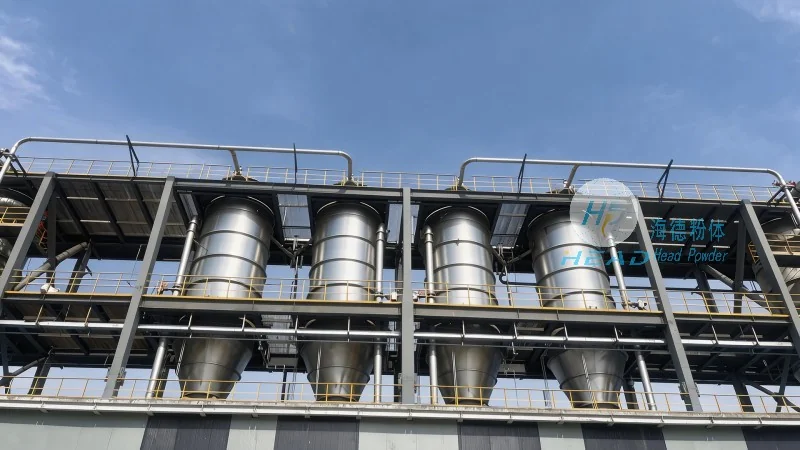
1. Liquid Organic Fertilizer Delivery via Pipeline Systems
One of the most common and efficient methods for delivering liquid organic fertilizers is through pipeline systems. This approach involves storing the fertilizer in large tanks and pumping it through a network of pipes to application points across the farm. The system can be automated, allowing for precise control over the volume and timing of fertilizer application. For example, in a large-scale operation, a central tank may supply multiple irrigation lines or spray nozzles, ensuring consistent nutrient delivery to crops. The benefits of pipeline delivery include reduced labor costs, minimized exposure to the fertilizer by workers, and the ability to integrate with existing irrigation infrastructure. This method is particularly effective for liquid manures, compost teas, and liquid organic blends, as it maintains the nutrient solution in a stable state, preventing segregation or degradation during transport.
2. Solid Organic Fertilizer Application via Mechanical Spreaders
For solid organic fertilizers, such as compost, manure, or granular organic blends, mechanical spreaders are widely used. These devices, often attached to tractors or specialized application vehicles, distribute the material evenly over the soil surface. The spreader mechanisms can be adjusted to control the application rate, ensuring that the correct amount of fertilizer is applied per unit area. This method is suitable for both pre-planting and in-season applications, as it allows farmers to cover large areas quickly and efficiently. The choice of spreader depends on the type of fertilizer and the field conditions. For instance, a spinner spreader may be used for granular materials, while a spreader with a conveyor system is ideal for bulk compost or manure. The effectiveness of mechanical spreading relies on proper calibration and regular maintenance to avoid uneven distribution or equipment damage.
3. Drip Irrigation and Fertigation for Targeted Delivery
Combining irrigation with fertilizer application, known as fertigation, is a precise method for delivering organic fertilizers, especially in high-value crops or in areas with limited water availability. Drip irrigation systems deliver water and nutrients directly to the plant roots through a network of tubes with emitters. Organic fertilizers can be dissolved in the irrigation water and delivered in a controlled manner, ensuring that the plants receive the exact nutrients they need at the right time. This approach minimizes water and nutrient loss, reduces leaching, and supports optimal plant growth. Fertigation is particularly beneficial for organic fertilizers that are water-soluble or can be easily mixed with water, such as liquid compost extracts or organic liquid fertilizers. The system allows for real-time monitoring and adjustment of nutrient concentrations, making it a flexible and efficient delivery method for modern agriculture.
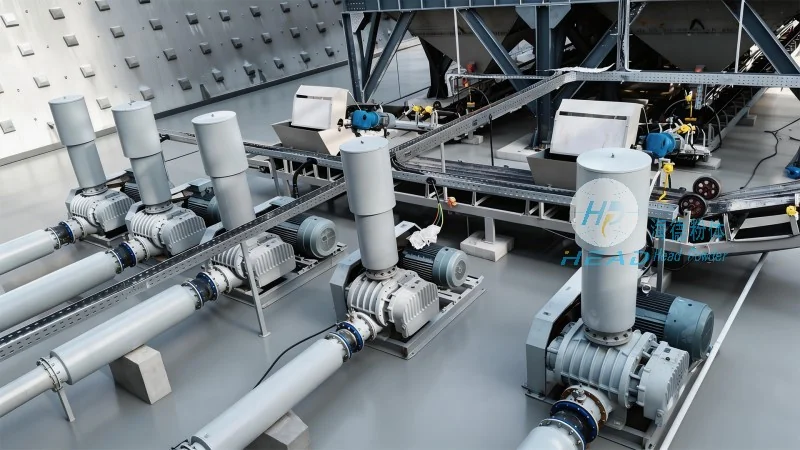
4. Manual and Small-Scale Application Techniques
In smaller farms or for specific applications, manual delivery methods may be employed. These include hand spreading of compost or manure, using shovels or rakes to distribute the material evenly. While less efficient than mechanical or automated systems, manual application allows for close monitoring of the fertilizer distribution and can be adapted to the unique needs of the crop or field. This method is often used for small-scale organic gardens, orchards, or for spot applications where precision is critical. Additionally, some farmers use backpack sprayers or handheld spreaders for localized applications, especially when treating specific areas or addressing nutrient deficiencies. Manual techniques require careful attention to detail to ensure uniform coverage and avoid over-application, which can lead to nutrient runoff or soil degradation.
5. Considerations for Choosing the Right Delivery Method
The selection of an organic fertilizer delivery method depends on several factors, including the type of fertilizer, farm size, crop type, and available resources. For large-scale operations, automated systems like pipelines or mechanical spreaders are often more cost-effective and efficient. Smaller farms may opt for manual or small-scale techniques, which can be more flexible and less expensive to implement. The environmental impact of the delivery method is also a critical consideration. Methods that minimize waste, reduce runoff, and preserve soil health are preferred. Additionally, the compatibility of the delivery system with existing infrastructure, such as irrigation networks or equipment, should be evaluated. Farmers should also consider the labor requirements and maintenance costs associated with each method, as these can significantly affect the overall feasibility and profitability of the fertilizer delivery process.
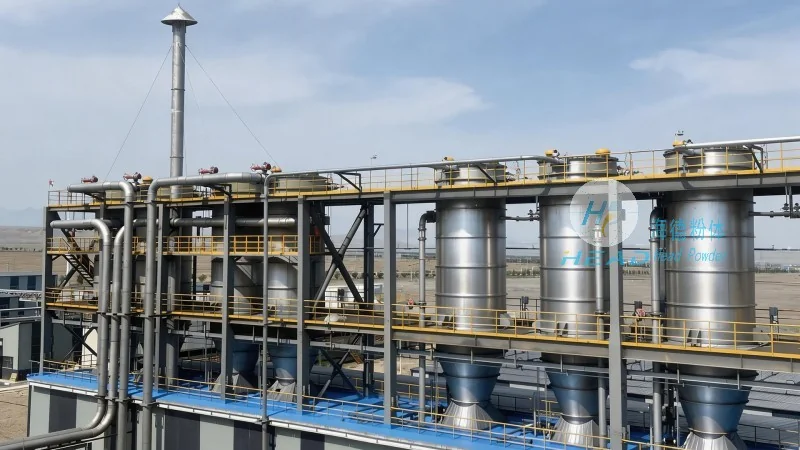
Conclusion
Organic fertilizer delivery methods vary widely, each with its own set of advantages and considerations. The choice of method should align with the specific needs of the farm, the type of organic fertilizer used, and the goals of the agricultural operation. By understanding the different delivery options and their implications, farmers can optimize their fertilization practices, enhance soil health, and promote sustainable crop production. As the demand for organic farming continues to grow, the development and adoption of efficient delivery methods will play a crucial role in supporting the long-term viability of agricultural systems.
About Shandong HeadPowder Engineering Co., Ltd.
Shandong HeadPowder Engineering Co., Ltd., commonly known as HeadPowder, is a leading provider of agricultural engineering solutions specializing in organic fertilizer processing and delivery systems. With a focus on innovation and sustainability, HeadPowder offers a range of equipment and services tailored to meet the needs of modern farmers. The company is committed to supporting the transition to organic farming practices by providing reliable and efficient delivery methods for organic fertilizers. HeadPowder's products and expertise help farmers optimize their fertilization strategies, improve soil health, and achieve higher yields while minimizing environmental impact. Based in Shandong, China, HeadPowder serves clients globally, delivering high-quality solutions that enhance agricultural productivity and sustainability.

 Shandong Headpowder Engineering Co., Ltd.
 156-6277-7102(Quản lý Trương)
  0531-83386006
  Thành phố Tế Nam, Tỉnh Sơn Đông, Trung Quốc
Điện thoại
WeChatTư vấn
Lên đầu