Với hơn 10 năm kinh nghiệm về vận chuyển khí nén, Headpowder Sơn Đông cung cấp hệ thống, thiết bị và quạt gió toàn chuỗi, đảm nhận các dự án kỹ thuật bột trọn gói trên toàn quốc.
When it comes to efficiently delivering corn feed to livestock, understanding the various methods available is crucial for optimizing feeding operations and ensuring animal health. The choice of delivery system can significantly impact the overall efficiency, cost-effectiveness, and even the nutritional quality of the feed as it reaches the animals. In this article, we explore several common and effective corn feed delivery methods, providing insights into how each approach works and its suitability for different agricultural settings. This information is brought to you by Shandong HeadPowder Engineering Co., Ltd., a leading provider of agricultural engineering solutions based in China, dedicated to enhancing the efficiency and productivity of farming operations worldwide.
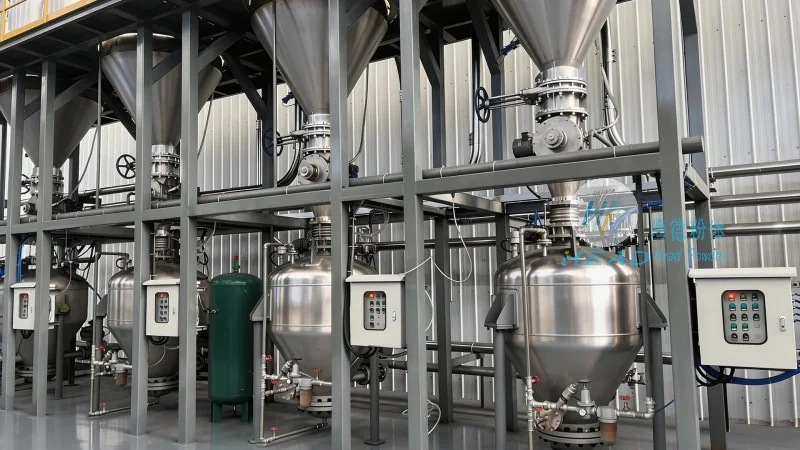
1. Mechanical Conveyor Systems: The Traditional Workhorse
One of the most widely used methods for corn feed delivery is through mechanical conveyor systems. These systems typically consist of a series of belts, augers, or bucket elevators that transport feed from storage silos or bins to feeding stations. The primary advantage of mechanical conveyors is their ability to handle large volumes of feed with minimal labor. They are particularly effective for moving bulk corn feed over short to medium distances, such as from a central storage facility to individual barns or feeding areas. The design of these systems allows for consistent and controlled feed flow, reducing the risk of spillage and ensuring that animals receive the right amount of feed at the right time. For farms with extensive operations, mechanical conveyors offer a reliable and durable solution that can withstand heavy use and harsh environmental conditions. The technology behind these systems has evolved over the years, with modern models incorporating features like variable speed controls and automated monitoring to enhance performance and reduce operational costs.
2. Pneumatic Delivery Systems: The Air-Powered Solution
Another popular method for corn feed delivery is the use of pneumatic systems, which utilize air pressure to transport feed through a network of pipes. These systems are particularly advantageous in environments where traditional conveyors might be impractical, such as in large, multi-level barns or facilities with complex layouts. Pneumatic delivery systems can transport feed over longer distances and even to elevated feeding points, making them ideal for farms with vertical storage structures. The process involves feeding corn into a hopper, where it is mixed with air and then propelled through the pipes by a blower or compressor. This method is known for its flexibility and ability to handle a variety of feed types, including wet or dry corn feed. However, it is important to note that pneumatic systems require regular maintenance to ensure the air system remains clean and efficient, as dust and moisture can affect performance. Despite this, many farmers appreciate the speed and precision of pneumatic delivery, which can help minimize feed waste and improve overall feeding efficiency.
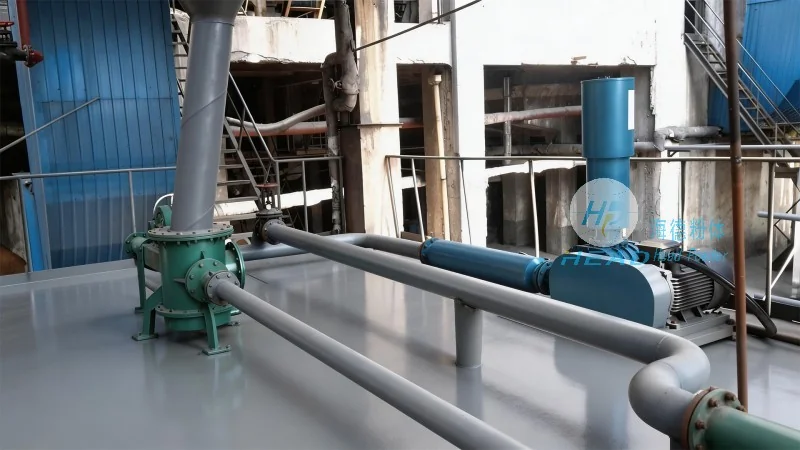
3. Gravity Flow Systems: Leveraging Natural Force
For farms with relatively simple layouts and shorter feed delivery distances, gravity flow systems offer a cost-effective and low-maintenance solution. These systems rely on the natural force of gravity to move corn feed from a higher elevation to a lower feeding point. The feed is typically stored in elevated bins or silos, and the design of the system ensures that feed flows smoothly through a series of chutes or troughs to the animals. Gravity flow systems are particularly suitable for smaller operations or those with limited budget constraints, as they require minimal mechanical components and energy input. The key to the success of gravity flow systems is proper design and installation, ensuring that the feed path is unobstructed and that the slope of the chutes is sufficient to maintain consistent flow. While these systems may not be as versatile as mechanical or pneumatic options, they are highly reliable and can effectively deliver corn feed without the need for additional power sources. Many farmers find that gravity flow systems are an excellent choice for their basic feeding needs, providing a simple yet effective way to move feed from storage to the animals.
4. Automated Feeding Stations: Precision and Efficiency
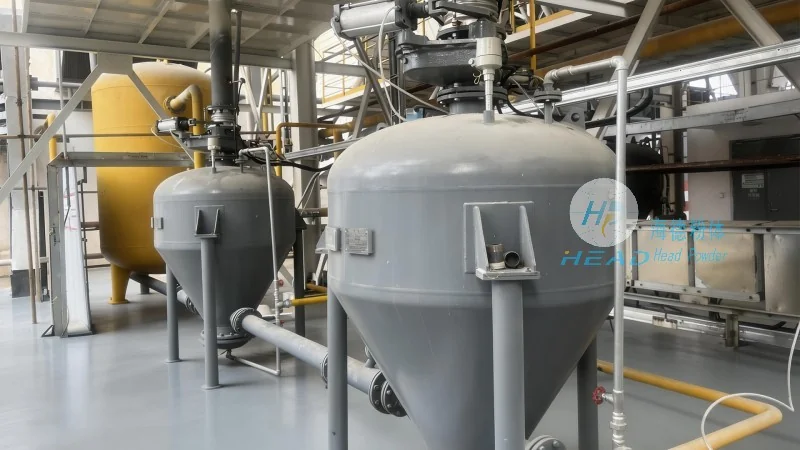
In modern agricultural practices, automated feeding stations have become increasingly common, offering a high level of precision and efficiency in corn feed delivery. These systems typically integrate with a farm's management software, allowing for automated distribution of feed based on animal needs, feeding schedules, or even real-time data from sensors. Automated feeding stations can be equipped with various features, such as adjustable feed dispensing rates, multiple feeding compartments, and even integration with water systems for complete feeding solutions. The primary benefit of these systems is their ability to reduce labor costs and minimize feed waste by delivering the exact amount of corn feed required by each animal or group. This not only improves the overall efficiency of the feeding operation but also contributes to better animal health and growth rates. For large-scale operations, automated feeding stations are particularly valuable, as they can handle high volumes of feed while maintaining consistent quality and reducing the risk of overfeeding or underfeeding. The technology behind these systems has advanced significantly, with many models now featuring user-friendly interfaces and remote monitoring capabilities, making them accessible to farmers of all technical backgrounds.
5. Choosing the Right Delivery Method: Factors to Consider
When selecting a corn feed delivery method, several factors should be considered to ensure the best fit for a specific operation. The first and most important factor is the scale of the operation, including the number of animals, the size of the farm, and the available space. Larger farms with extensive layouts may benefit from mechanical or pneumatic systems, while smaller operations might find gravity flow or automated feeding stations more suitable. The type of livestock being fed also plays a role, as different animals have varying feeding requirements and preferences. For example, dairy cows may require more frequent and precise feed delivery compared to beef cattle. The availability of resources, such as budget, labor, and technical expertise, is another critical consideration. Mechanical systems may require more initial investment and maintenance, while gravity flow systems are more cost-effective but may have limitations in terms of flexibility. Environmental conditions, including temperature and humidity, can also impact the choice of delivery method, as some systems are better suited to outdoor or harsh conditions than others. Ultimately, the goal is to select a delivery method that maximizes efficiency, minimizes waste, and supports the overall health and productivity of the livestock. By carefully evaluating these factors and considering the specific needs of the farm, farmers can make an informed decision that aligns with their operational goals and budget constraints.
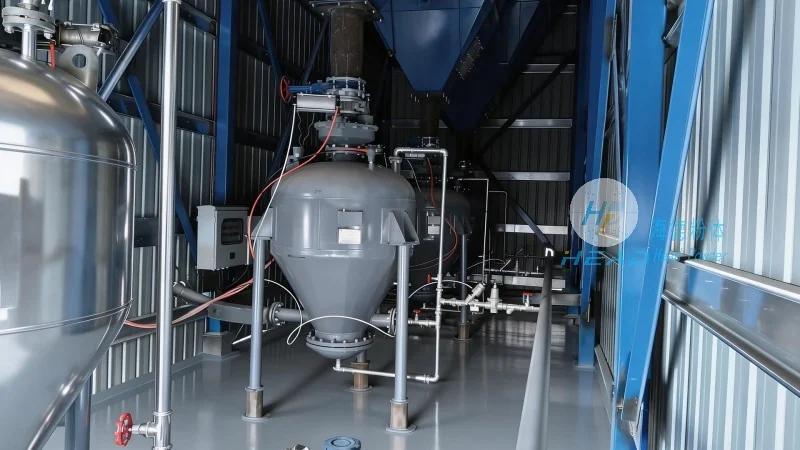
Conclusion: Optimizing Corn Feed Delivery for Success
Efficient corn feed delivery is a cornerstone of successful livestock management, and the choice of delivery method can significantly impact the overall performance of a farm. Whether using traditional mechanical conveyors, air-powered pneumatic systems, gravity flow setups, or advanced automated feeding stations, each approach offers unique advantages and considerations. By understanding the strengths and limitations of each method, farmers can select the most appropriate solution for their specific needs, ensuring that corn feed is delivered effectively, consistently, and with minimal waste. The key to success lies in matching the delivery system to the farm's size, layout, and operational requirements, while also considering factors like cost, maintenance, and animal welfare. As agricultural practices continue to evolve, the importance of efficient feed delivery will remain paramount, and the right delivery method will contribute to improved animal health, increased productivity, and ultimately, the success of the farming operation.

 Shandong Headpowder Engineering Co., Ltd.
 156-6277-7102(Quản lý Trương)
  0531-83386006
  Thành phố Tế Nam, Tỉnh Sơn Đông, Trung Quốc
Điện thoại
WeChatTư vấn
Lên đầu