Với hơn 10 năm kinh nghiệm về vận chuyển khí nén, Headpowder Sơn Đông cung cấp hệ thống, thiết bị và quạt gió toàn chuỗi, đảm nhận các dự án kỹ thuật bột trọn gói trên toàn quốc.
When it comes to the delivery and transportation of sodium phosphate, there are several effective methods that ensure the product reaches its destination safely and efficiently. These methods are tailored to meet the specific needs of different industries and applications, providing flexibility and reliability in the supply chain. The following sections will explore the primary delivery methods for sodium phosphate, highlighting their advantages and typical applications.
Pipeline Transportation
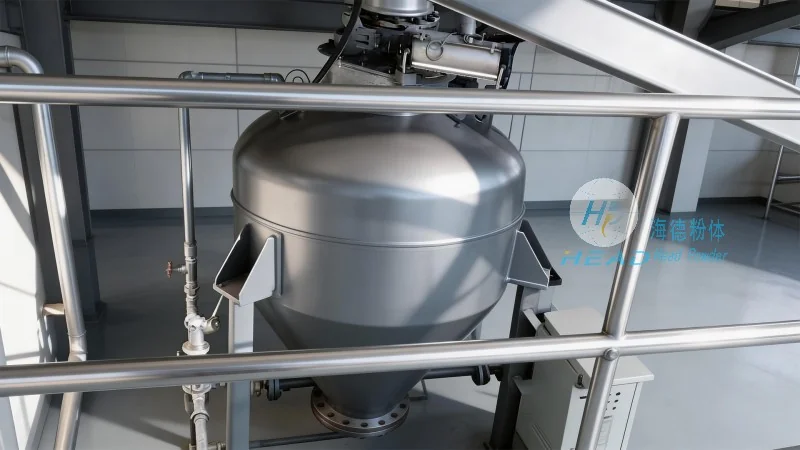
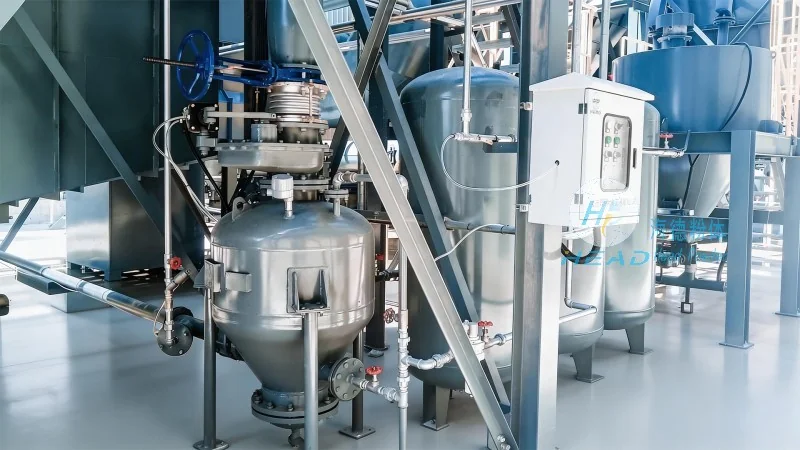
One of the most common and efficient methods for delivering sodium phosphate is through pipeline transportation. This method involves pumping the liquid or slurry form of sodium phosphate through a network of pipes, which can be either above ground or underground. The use of pipelines minimizes the risk of contamination and spillage, as the product remains contained within the system. For companies like Shandong HeadPowder Engineering Co., Ltd., pipeline systems are often integrated with existing infrastructure, allowing for seamless integration into the supply chain. The advantages of pipeline delivery include reduced labor costs, lower environmental impact, and the ability to maintain consistent flow rates, which is crucial for industrial processes that rely on a steady supply of sodium phosphate.
Pump Systems
Another key delivery method involves the use of specialized pump systems, such as centrifugal pumps or diaphragm pumps. These pumps are designed to handle the viscosity and chemical properties of sodium phosphate, ensuring reliable operation under various conditions. The choice of pump depends on factors like the concentration of the solution, the distance to be transported, and the required flow rate. For example, in industrial settings where large volumes of sodium phosphate are needed, high-capacity pumps are used to maintain optimal production levels. The pump systems are typically equipped with safety features, such as pressure relief valves and flow meters, to monitor and control the delivery process. This ensures that the product is delivered at the correct pressure and flow rate, preventing issues like overpressure or underflow that could affect the quality of the final product.
Truck Transportation
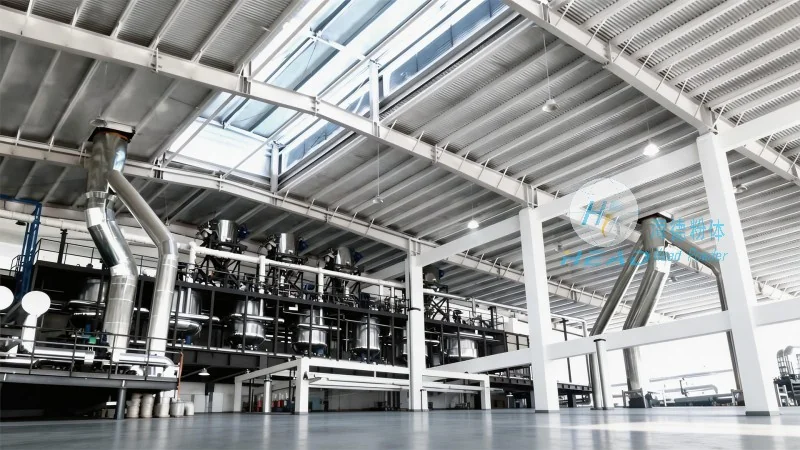
For applications where pipeline or pump systems are not feasible, truck transportation is a widely used method. This involves loading sodium phosphate into bulk trucks or tankers, which are then transported to the customer's location. The trucks are equipped with specialized tanks that are designed to handle the chemical properties of sodium phosphate, ensuring that the product remains stable during transit. The use of trucks allows for flexibility in delivery, as they can reach locations that are not connected to pipeline networks. However, truck transportation may be more susceptible to weather conditions and traffic delays, which can impact delivery times. To mitigate these risks, companies like Shandong HeadPowder Engineering Co., Ltd. often use advanced logistics planning and tracking systems to ensure timely delivery. The trucks are also equipped with safety measures, such as pressure relief valves and grounding systems, to prevent accidents during transportation.
Storage and Loading
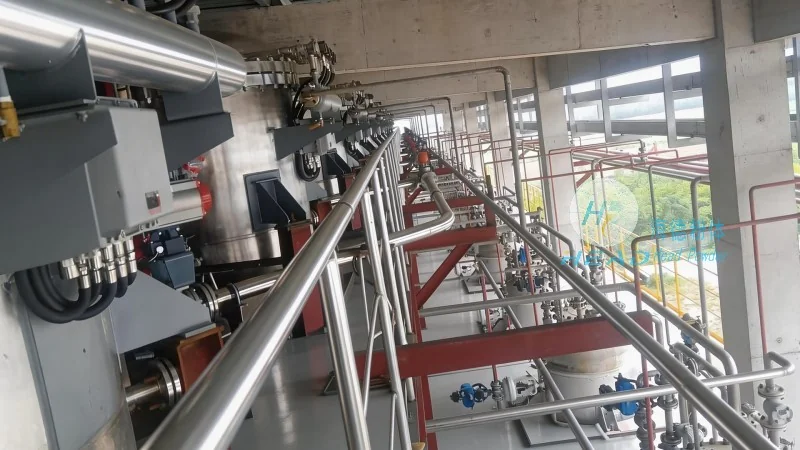
Before delivery, sodium phosphate is often stored in large tanks or silos, depending on its form (liquid or solid). The storage facilities are designed to maintain the product's quality and prevent contamination. For liquid sodium phosphate, storage tanks are typically made of stainless steel or other corrosion-resistant materials to ensure durability and safety. The tanks are equipped with agitators to keep the product well-mixed and prevent sedimentation. When it comes to loading, the process involves transferring the product from storage tanks to delivery vehicles or pipelines. This is often done using pumps or gravity-fed systems, depending on the setup. The loading process is carefully monitored to ensure that the correct amount of product is loaded and that the system remains under control. This step is critical to maintaining the quality of the product and preventing spills or leaks.
About Shandong HeadPowder Engineering Co., Ltd.
Shandong HeadPowder Engineering Co., Ltd., commonly known as headpowder, is a leading manufacturer and supplier of sodium phosphate products. The company is based in Shandong, China, and specializes in the production and delivery of high-quality sodium phosphate for various industrial applications. With years of experience in the industry, headpowder has developed a reputation for reliability and efficiency in its delivery methods. The company's commitment to quality and customer satisfaction is reflected in its comprehensive range of delivery options, which cater to the diverse needs of its clients. Whether through pipeline, pump, or truck transportation, headpowder ensures that its sodium phosphate products are delivered safely and on time, meeting the stringent requirements of modern industrial processes.

 Shandong Headpowder Engineering Co., Ltd.
 156-6277-7102(Quản lý Trương)
  0531-83386006
  Thành phố Tế Nam, Tỉnh Sơn Đông, Trung Quốc
Điện thoại
WeChatTư vấn
Lên đầu