Với hơn 10 năm kinh nghiệm về vận chuyển khí nén, Headpowder Sơn Đông cung cấp hệ thống, thiết bị và quạt gió toàn chuỗi, đảm nhận các dự án kỹ thuật bột trọn gói trên toàn quốc.
When it comes to transporting borax, selecting the right method is crucial for ensuring efficiency, safety, and cost-effectiveness in industrial operations. Borax, a white crystalline powder widely used in various industries including glass manufacturing, detergents, and agriculture, requires specialized handling due to its chemical properties and physical characteristics. The choice of transportation method depends on factors such as the scale of production, the distance to be covered, and the specific requirements of the end-user. In this article, we will explore the common methods of borax transportation, highlighting the advantages and considerations for each approach. As a leading provider of borax handling solutions, Shandong HeadPowder Engineering Co., Ltd. (headpowder) understands the importance of choosing the right transportation method to meet the unique needs of industrial operations.
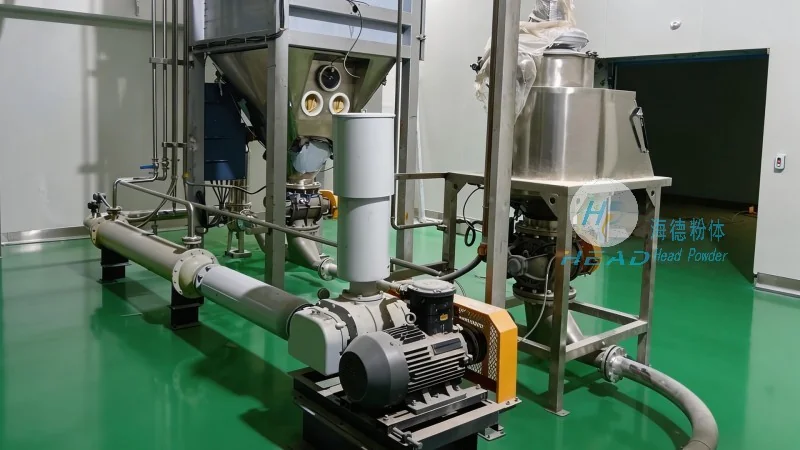
Understanding Borax and Its Transportation Challenges
Borax, also known as sodium tetraborate, is a versatile chemical compound that plays a vital role in numerous industrial applications. Its crystalline structure and relatively low bulk density make it susceptible to dust formation and caking, which can impact the efficiency of transportation systems. Therefore, understanding the unique properties of borax is essential when selecting an appropriate transportation method. The primary challenges in borax transportation include maintaining product integrity, preventing contamination, and ensuring consistent flow rates. These challenges are addressed through the use of specialized equipment and optimized processes.
Common Methods of Borax Transportation
Several methods are commonly employed for the transportation of borax, each with its own set of advantages and limitations. The selection of a method often depends on the specific needs of the operation, including the distance, volume, and destination of the borax. Below are the primary methods used in the industry:
Pipeline Transportation
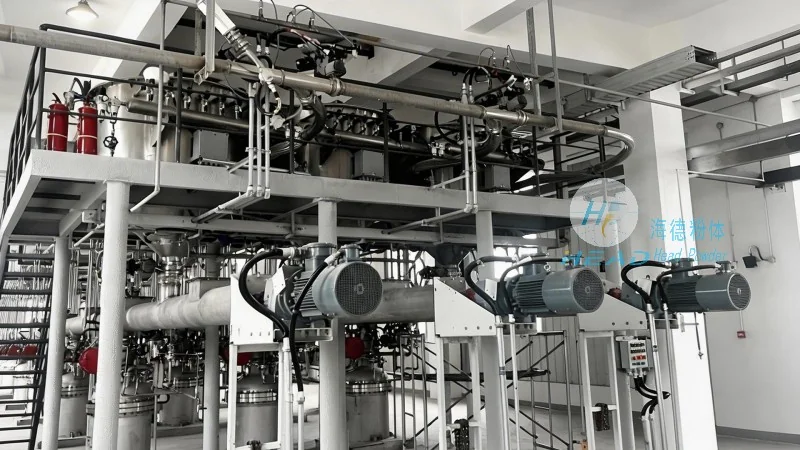
Pipeline transportation is a widely used method for moving borax over long distances, especially in large-scale industrial settings. This method involves transporting borax through a network of pipes under pressure. The process typically begins with the borax being fed into a storage silo, where it is then pumped through the pipeline to the destination. The advantages of pipeline transportation include high efficiency, minimal labor requirements, and the ability to maintain consistent flow rates. However, this method requires significant infrastructure investment, including the construction of pipelines and pumping stations. Additionally, it may not be suitable for short-distance or small-scale operations due to the high cost of installation and maintenance.
Bucket Elevator and Conveyor Systems
For shorter distances or when transporting borax between different levels of a facility, bucket elevators and conveyor systems are commonly used. These systems are particularly effective for vertical or inclined transportation, as they can move borax from lower to higher levels with minimal effort. The bucket elevator consists of a series of buckets attached to a belt or chain that rotates around a drive pulley. As the buckets move up the elevator, they carry the borax to the desired height, where it is discharged. Conveyor systems, such as belt conveyors or screw conveyors, are also used to transport borax horizontally or at a slight incline. These methods are generally more cost-effective than pipeline systems and are easier to install and maintain. However, they may be less efficient for long-distance or high-volume transportation compared to other methods.
Airborne (Pneumatic) Transportation
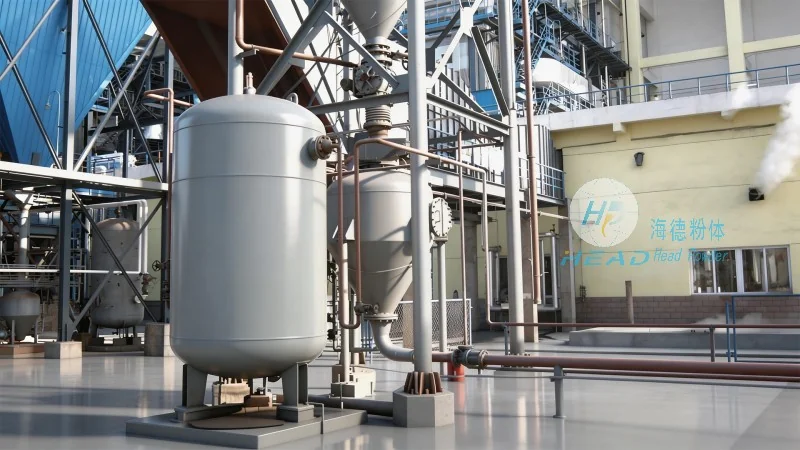
Airborne or pneumatic transportation is another method used for the movement of borax, particularly in applications where the material needs to be transported over short to medium distances. This method involves using compressed air to move the borax through a pipeline. The borax is typically fed into the pipeline using a hopper or feeder, and the compressed air propels the material forward. The advantages of pneumatic transportation include the ability to transport borax in a closed system, which helps to prevent dust contamination and maintain product quality. Additionally, this method can be used for both horizontal and vertical transportation, making it versatile for various industrial settings. However, it requires a significant amount of energy to operate the compressed air system and may not be suitable for very fine or caking borax, as the material can cause blockages in the pipeline.
Truck and Rail Transportation
For shorter distances or when transporting borax to remote locations, truck and rail transportation are commonly used. These methods involve loading the borax into containers or hopper cars and transporting it to the destination. The advantages of truck transportation include flexibility and the ability to reach remote locations that are not served by pipelines or other infrastructure. However, it may be less efficient for large volumes and can be affected by traffic conditions and weather. Rail transportation, on the other hand, is more suitable for long-distance and high-volume transportation, as it can carry large quantities of borax over long distances with relatively low cost per unit. However, it requires specialized railcars and may not be as flexible as truck transportation.

 Shandong Headpowder Engineering Co., Ltd.
 156-6277-7102(Quản lý Trương)
  0531-83386006
  Thành phố Tế Nam, Tỉnh Sơn Đông, Trung Quốc
Điện thoại
WeChatTư vấn
Lên đầu