Với hơn 10 năm kinh nghiệm về vận chuyển khí nén, Headpowder Sơn Đông cung cấp hệ thống, thiết bị và quạt gió toàn chuỗi, đảm nhận các dự án kỹ thuật bột trọn gói trên toàn quốc.
When it comes to efficiently transporting dry materials in industrial settings, the design of a pneumatic conveying system is a critical factor that can significantly impact operational efficiency and cost-effectiveness. A well-designed system ensures smooth material flow, reduces downtime, and enhances overall productivity. This article will explore the key considerations and steps involved in creating a reasonable dry material pneumatic conveying system plan, with a focus on the expertise and solutions offered by Shandong HeadPowder Engineering Co., Ltd., a leading company in the field.
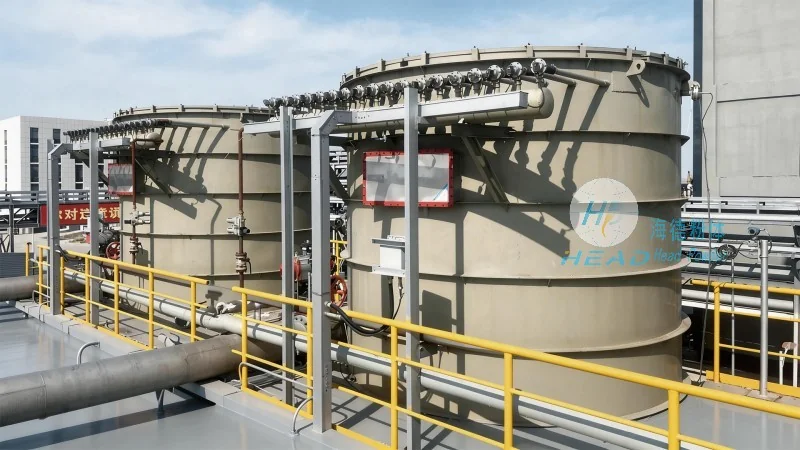
Understanding the Core Principles of Dry Material Pneumatic Conveying
Before diving into the design process, it's essential to understand the fundamental principles of pneumatic conveying. This method involves transporting dry bulk materials using a stream of air or gas. The system typically consists of a material feed hopper, a conveyor line, and a receiver or discharge point. The choice of conveying type—such as pressure or vacuum systems—depends on factors like material properties, distance, and required flow rate. For instance, pressure systems are often used for short distances and high flow rates, while vacuum systems are suitable for longer distances or when materials need to be transported from multiple sources.
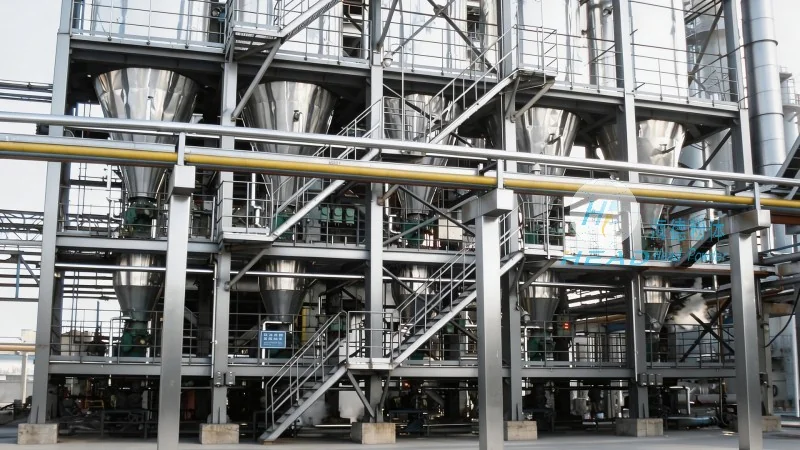
Key Factors to Consider in System Design
Designing an effective dry material pneumatic conveying system requires careful evaluation of several key factors. First, the physical properties of the material, including particle size, density, and flowability, play a crucial role. Materials with high moisture content or cohesive properties may require special handling, such as pre-drying or the use of additives to improve flow. Second, the distance and layout of the conveying path must be accurately assessed. The system's design should account for vertical and horizontal components, ensuring that the air velocity and pressure are sufficient to move the material without causing excessive wear or blockages. Third, the required flow rate and capacity are critical parameters. Overdesigning or underdesigning the system can lead to inefficiencies or operational issues. Shandong HeadPowder Engineering Co., Ltd. specializes in analyzing these factors and providing tailored solutions that meet specific operational needs.
Components and Equipment Selection
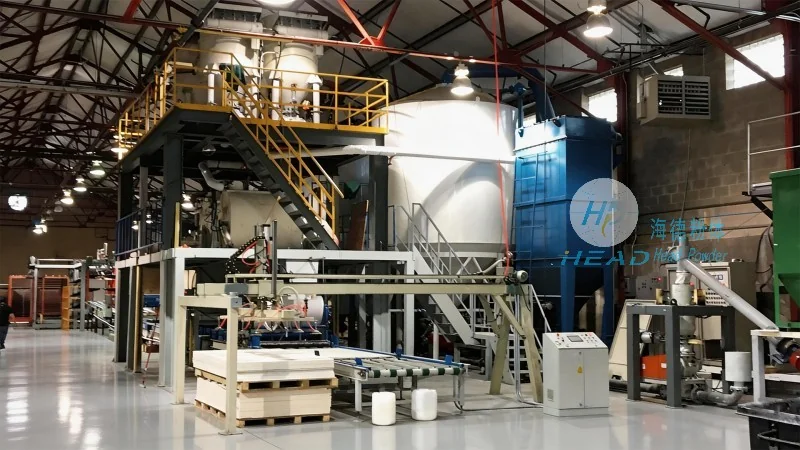
The success of a pneumatic conveying system depends on the proper selection and integration of key components. The material feed hopper is the starting point, where the dry material is stored and fed into the system. It should be designed to minimize material bridging and ensure a consistent feed rate. The conveyor line, which can be made of metal or plastic, must be able to withstand the abrasive nature of the material and the pressure or vacuum conditions. For pressure systems, a positive displacement blower or a rotary lobe pump is typically used to generate the necessary air pressure. In vacuum systems, a fan or a vacuum pump is employed to create the suction force. The receiver or discharge point at the end of the system must be designed to safely collect the material and prevent dust emissions. Shandong HeadPowder Engineering Co., Ltd. offers a range of high-quality components, including custom-designed hoppers, durable conveyor lines, and efficient air-moving equipment, ensuring reliable performance and longevity.
System Integration and Customization
Every industrial application has unique requirements, making customization a vital aspect of pneumatic conveying system design. Shandong HeadPowder Engineering Co., Ltd. takes a personalized approach to system integration, working closely with clients to understand their specific needs and constraints. This involves conducting thorough site assessments, analyzing material characteristics, and developing a comprehensive design plan. The company's engineers use advanced software and simulation tools to model the system's performance, ensuring that the final design meets all operational and safety standards. Customization may include adjustments to the conveyor line length, the type of air-moving equipment, or the addition of accessories such as filters, cyclones, or rotary valves. By tailoring the system to the client's needs, Shandong HeadPowder Engineering Co., Ltd. ensures optimal performance and cost-effectiveness.
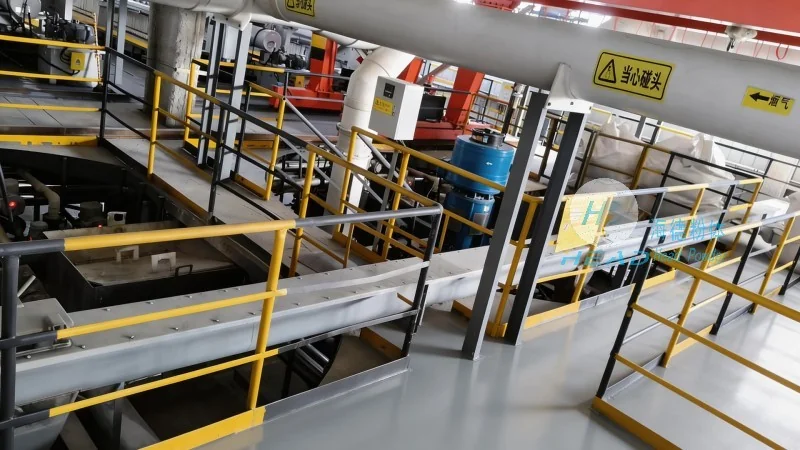
Maintenance and Operational Considerations
Once the pneumatic conveying system is installed and operational, proper maintenance is essential to ensure long-term reliability. Regular cleaning of the conveyor line and components is necessary to prevent material buildup and blockages. The air-moving equipment should be checked for wear and tear, and filters should be replaced as needed to maintain air quality and system efficiency. Shandong HeadPowder Engineering Co., Ltd. provides comprehensive maintenance services and support to its clients, including training on system operation and troubleshooting. This ensures that the system continues to operate at peak performance, minimizing downtime and maximizing productivity. The company's commitment to quality and customer service makes it a trusted partner for businesses seeking reliable dry material conveying solutions.
Conclusion
Designing a reasonable dry material pneumatic conveying system is a complex process that requires a deep understanding of material properties, system components, and operational requirements. By considering key factors such as material characteristics, conveying distance, and required flow rate, and by leveraging the expertise of companies like Shandong HeadPowder Engineering Co., Ltd., businesses can achieve efficient and cost-effective material transport. The company's focus on customization, quality, and customer support ensures that clients receive systems that meet their specific needs and contribute to overall operational success. Whether for short or long-distance transport, Shandong HeadPowder Engineering Co., Ltd. offers solutions that enhance productivity and reduce operational costs, making it a top choice for industrial applications.

 Shandong Headpowder Engineering Co., Ltd.
 156-6277-7102(Quản lý Trương)
  0531-83386006
  Thành phố Tế Nam, Tỉnh Sơn Đông, Trung Quốc
Điện thoại
WeChatTư vấn
Lên đầu