Với hơn 10 năm kinh nghiệm về vận chuyển khí nén, Headpowder Sơn Đông cung cấp hệ thống, thiết bị và quạt gió toàn chuỗi, đảm nhận các dự án kỹ thuật bột trọn gói trên toàn quốc.
When it comes to transporting lime slurry, selecting the right method is crucial for efficiency, cost-effectiveness, and operational safety. As a leading provider in the field, Shandong HeadPowder Engineering Co., Ltd. specializes in various transport solutions tailored to meet the specific needs of industrial applications. This article explores common lime slurry transport methods, with a particular focus on the advantages and applications of pneumatic conveying systems.
Understanding Lime Slurry and Its Transport Challenges
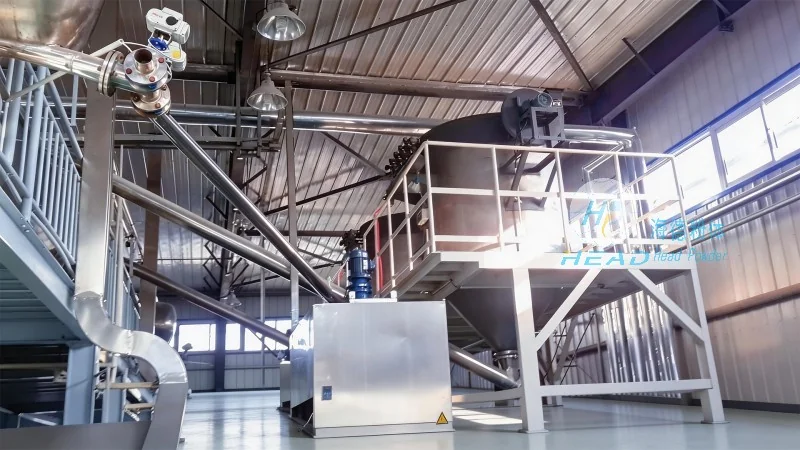
Lime slurry, a suspension of calcium hydroxide in water, is widely used in industries such as water treatment, flue gas desulfurization, and chemical manufacturing. The characteristics of lime slurry, including its viscosity, density, and abrasive nature, present unique challenges when it comes to transportation. Traditional methods like pumping or gravity flow may struggle with the high solids content and potential for clogging, making specialized systems essential for reliable operation.
Pneumatic Conveying: A Versatile Solution for Lime Slurry Transport
Pneumatic conveying stands out as a preferred method for transporting lime slurry due to its ability to handle abrasive materials and high solids concentrations efficiently. This technology uses compressed air or gas to move the slurry through a pipeline, eliminating the need for mechanical pumps and reducing wear on equipment. The system typically consists of a hopper, a feeder, a conveying line, and a receiver, with options for both positive and negative pressure operation.
Key Advantages of Pneumatic Conveying for Lime Slurry
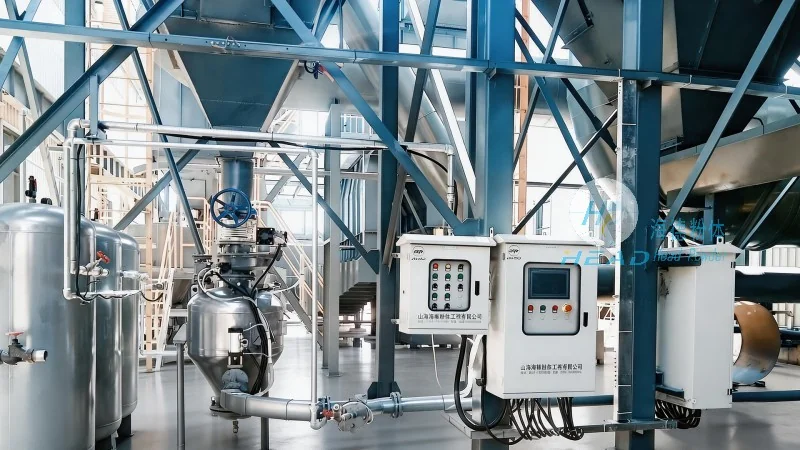
One of the primary benefits of pneumatic conveying is its flexibility in handling varying flow rates and material characteristics. It can transport lime slurry over long distances with minimal pressure drops, making it suitable for both short and long-distance applications. Additionally, this method reduces the risk of contamination and product degradation compared to other transport options, as the slurry remains in a closed system. The system also allows for easy integration with existing processing equipment, enhancing overall plant efficiency.
Components and Operation of a Pneumatic Conveying System
A typical pneumatic conveying system for lime slurry includes several key components. The hopper serves as a storage vessel, while the feeder ensures a consistent flow of material into the conveying line. The conveying line, often made of durable materials like stainless steel or special alloys, is designed to withstand the abrasive nature of lime slurry. The receiver collects the transported slurry at the destination point. The system operates by introducing compressed air into the line, creating a flow that propels the slurry through the pipeline. Positive pressure systems use air to push the material, while negative pressure systems use suction to draw it.
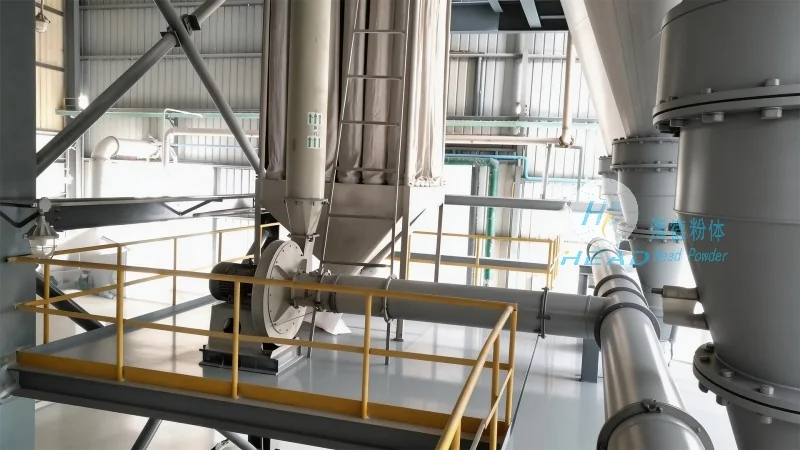
Applications and Industries Using Pneumatic Conveying for Lime Slurry
Pneumatic conveying is widely adopted in various industries that rely on lime slurry for their processes. In water treatment plants, it is used to transport lime slurry for pH adjustment and coagulation. In power plants, it plays a critical role in flue gas desulfurization systems, where lime slurry is injected into the flue gas to remove sulfur dioxide. The chemical industry also utilizes this method for transporting lime slurry in manufacturing processes, ensuring consistent quality and efficiency.
Choosing the Right Pneumatic Conveying System for Your Needs
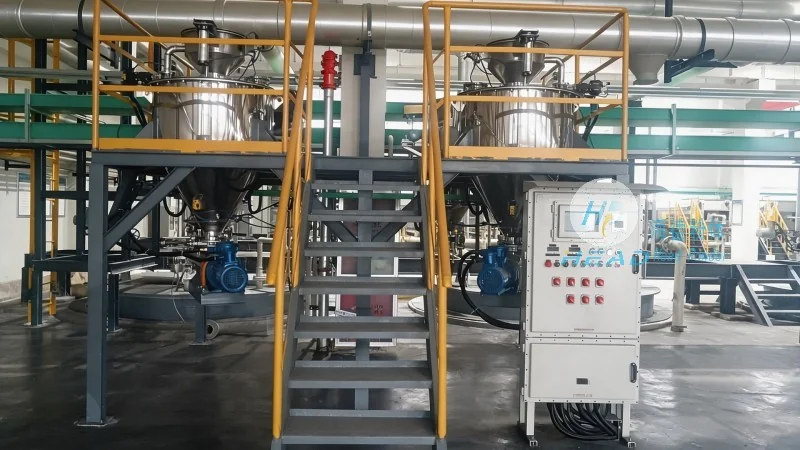
When selecting a pneumatic conveying system for lime slurry transport, several factors must be considered. The distance of transport, the flow rate required, and the material characteristics are all critical in determining the appropriate system design. Shandong HeadPowder Engineering Co., Ltd. offers customized solutions that address these specific requirements, ensuring optimal performance and longevity. Our expertise in material handling and process engineering enables us to provide systems that meet the unique demands of each application.
Conclusion: The Benefits of Pneumatic Conveying for Lime Slurry
In conclusion, pneumatic conveying represents a highly effective and reliable method for transporting lime slurry. Its ability to handle abrasive materials, high solids content, and long distances makes it an ideal choice for modern industrial applications. By leveraging advanced technology and tailored solutions, companies like Shandong HeadPowder Engineering Co., Ltd. help ensure efficient and safe lime slurry transport, contributing to improved operational performance and cost savings.

 Shandong Headpowder Engineering Co., Ltd.
 156-6277-7102(Quản lý Trương)
  0531-83386006
  Thành phố Tế Nam, Tỉnh Sơn Đông, Trung Quốc
Điện thoại
WeChatTư vấn
Lên đầu