Với hơn 10 năm kinh nghiệm về vận chuyển khí nén, Headpowder Sơn Đông cung cấp hệ thống, thiết bị và quạt gió toàn chuỗi, đảm nhận các dự án kỹ thuật bột trọn gói trên toàn quốc.
Sponge sand, a crucial material in various industrial applications such as foundry, casting, and abrasive processing, requires efficient and reliable conveying systems to ensure smooth production workflows. The choice of conveying method significantly impacts operational efficiency, material quality, and overall cost-effectiveness. This article provides a detailed comparison of common sponge sand conveying methods, highlighting their advantages and disadvantages to assist industries in selecting the most suitable solution for their specific needs.
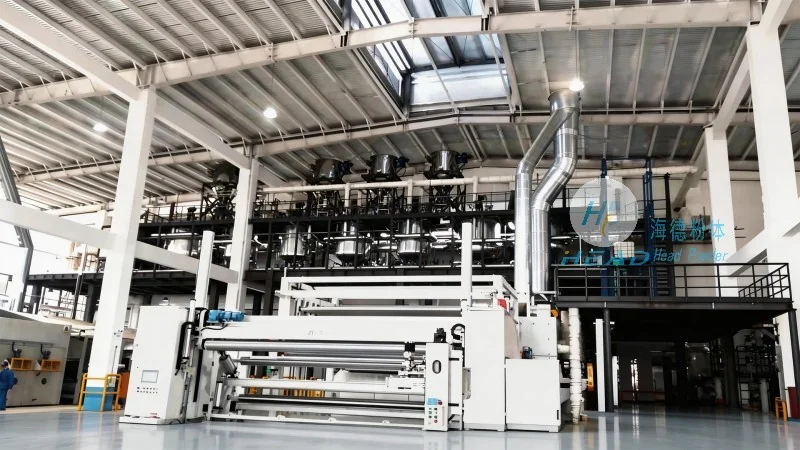
Gravity Conveying: Traditional and Simple
Gravity conveying relies on the natural force of gravity to move sponge sand from a higher elevation to a lower one. This method typically involves inclined chutes or troughs that allow the material to flow under its own weight. The primary advantage of gravity conveying is its simplicity and low energy consumption, as it does not require external power sources. It is particularly effective for short horizontal or vertical distances and when the material is free-flowing and non-abrasive. However, its limitations become apparent in applications requiring long distances or complex layouts, as the material may lose momentum and settle, leading to uneven flow. Additionally, gravity systems are less suitable for abrasive or heavy materials, as the chutes can wear out quickly and require frequent maintenance.
Mechanical Conveying: Versatile and Controlled
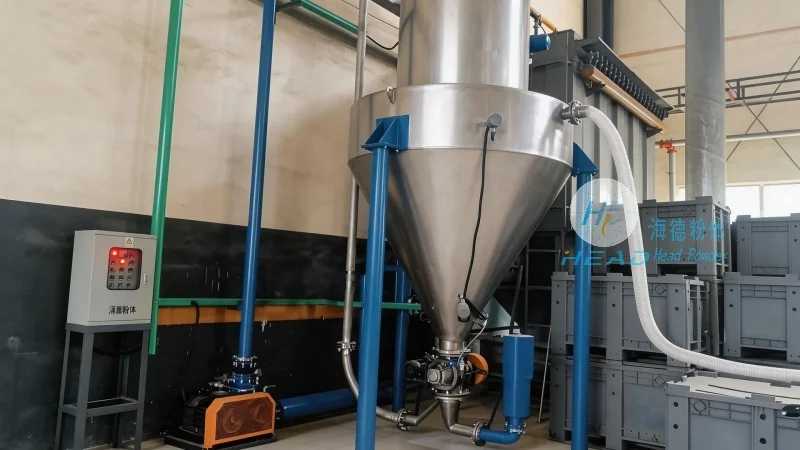
Mechanical conveying systems utilize machinery such as belt conveyors, screw conveyors, and bucket elevators to transport sponge sand. Belt conveyors are widely used for horizontal or slightly inclined transport, offering high capacity and continuous operation. They are ideal for moving large volumes of material over moderate distances. Screw conveyors, on the other hand, are suitable for vertical or inclined transport, providing consistent flow and preventing material segregation. These systems offer better control over the conveying process, allowing for adjustments in speed and direction. The main advantages of mechanical conveyors include their reliability, ability to handle a wide range of materials, and adaptability to different layouts. However, they require regular maintenance to prevent wear and tear, and the initial investment can be higher compared to gravity systems. Moreover, mechanical systems may generate more noise and vibration, which could affect the working environment.
Pneumatic Conveying: Flexible and Distant
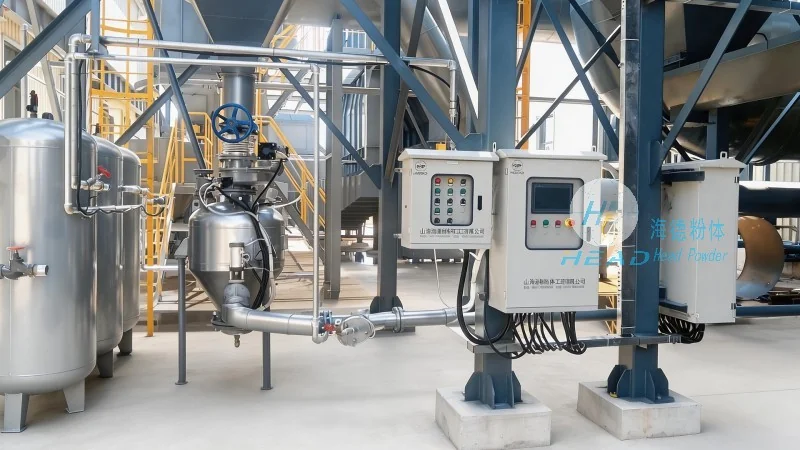
Pneumatic conveying uses air pressure or vacuum to transport sponge sand through a pipeline system. This method is highly flexible, as it can handle both horizontal and vertical distances, and is suitable for complex layouts with multiple branches. It is particularly effective for moving abrasive or dusty materials, as the air flow helps to prevent material buildup and clogging. The primary advantage of pneumatic conveying is its ability to transport materials over long distances with minimal loss of material quality. It also allows for easy integration with other processing equipment, such as filters or cyclones. However, this method has higher energy consumption compared to gravity or mechanical systems, as it requires powerful air compressors. Additionally, the system is more susceptible to pressure drops and material blockages, which may lead to operational interruptions. Regular cleaning and maintenance of the pipeline and air filtration systems are essential to ensure consistent performance.
Comparative Analysis: Choosing the Right Method
When selecting a sponge sand conveying method, several factors must be considered, including the distance to be covered, the material characteristics (such as size, density, and abrasiveness), the required capacity, and the available space. Gravity conveying is best suited for short distances and free-flowing materials, while mechanical conveyors offer versatility and control for moderate to long distances. Pneumatic conveying excels in long-distance and complex applications but at a higher operational cost. It is also important to evaluate the initial investment, maintenance requirements, and environmental impact of each system. For instance, mechanical systems may require more maintenance but offer better control, whereas gravity systems are cost-effective but less flexible. Ultimately, the choice of conveying method should align with the specific production requirements and budget constraints of the industry.
Conclusion: Balancing Efficiency and Cost
In conclusion, the selection of a sponge sand conveying method is a critical decision that impacts the overall efficiency and cost-effectiveness of industrial operations. Each method has its unique advantages and disadvantages, and the optimal choice depends on the specific application and operational conditions. By understanding the characteristics of gravity, mechanical, and pneumatic conveying systems, industries can make informed decisions to ensure smooth material handling and enhance productivity. As a leading provider of industrial solutions, Shandong HeadPowder Engineering Co., Ltd. specializes in designing and manufacturing customized conveying systems tailored to meet the diverse needs of its clients. With years of experience and expertise, the company offers reliable and efficient solutions to optimize sponge sand handling processes, helping businesses achieve higher productivity and lower operational costs.

 Shandong Headpowder Engineering Co., Ltd.
 156-6277-7102(Quản lý Trương)
  0531-83386006
  Thành phố Tế Nam, Tỉnh Sơn Đông, Trung Quốc
Điện thoại
WeChatTư vấn
Lên đầu