Với hơn 10 năm kinh nghiệm về vận chuyển khí nén, Headpowder Sơn Đông cung cấp hệ thống, thiết bị và quạt gió toàn chuỗi, đảm nhận các dự án kỹ thuật bột trọn gói trên toàn quốc.
High-calcium materials are widely utilized across various industrial sectors, including construction, manufacturing, and chemical processing. The efficient and safe delivery of these materials is paramount for maintaining production efficiency and ensuring product quality. This article provides a detailed comparison of common high-calcium delivery methods, highlighting their respective advantages and disadvantages to assist industrial operators in making informed decisions.
Overview of High-Calcium Materials and Their Delivery Challenges
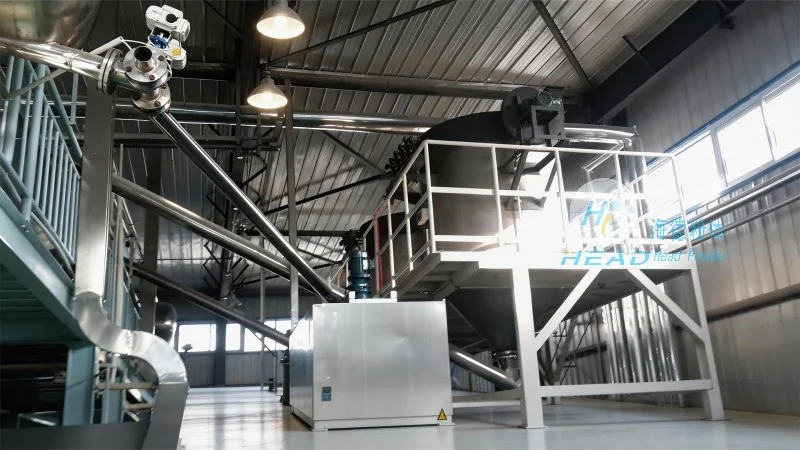
High-calcium materials, such as calcium carbonate, calcium oxide, and other calcium-based compounds, often present unique challenges during transportation. These materials can be abrasive, exhibit varying particle sizes, and may generate dust or caking, which can impact the performance of traditional conveyor systems. Moreover, the high density and weight of these materials necessitate robust equipment capable of handling heavy loads and maintaining consistent flow rates. Understanding these characteristics is essential for selecting the most suitable delivery method.
Pumping Systems for High-Calcium Materials
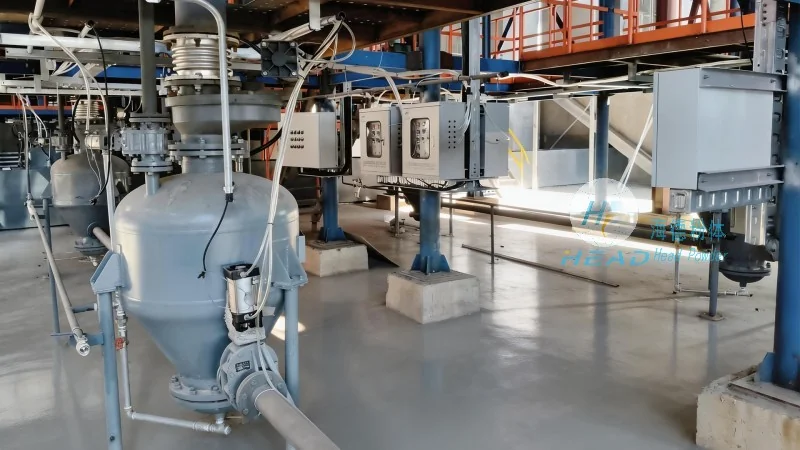
Pumping systems, including slurry pumps and positive displacement pumps, are commonly employed for transporting high-calcium materials in liquid or slurry form. These systems are particularly effective for materials mixed with water or other liquids, enabling easier flow and reduced wear on equipment. The primary advantages of pumping systems include high flow rates, the ability to handle abrasive materials, and the capacity to transport materials over long distances with minimal pressure loss. However, they may require additional equipment for material preparation, such as grinding or mixing, and can be more expensive to install and maintain compared to other methods. Furthermore, pumping systems may not be suitable for dry, free-flowing high-calcium powders due to the risk of clogging and material degradation.
Screw Conveyors for High-Calcium Materials
Screw conveyors, also known as auger conveyors, are widely used for the horizontal or slightly inclined transport of high-calcium powders and granules. These systems consist of a rotating screw inside a tube or trough, which moves material forward through the conveyor. Screw conveyors offer several benefits, including simplicity in design, low maintenance requirements, and the ability to handle a wide range of material types, including those with high moisture content. They are particularly effective for materials that are free-flowing and do not require high pressure or speed. However, screw conveyors may experience issues with material bridging or clogging, especially with cohesive or fine powders. Additionally, they may not be suitable for transporting materials with high abrasiveness or those that generate excessive heat during operation.
Air-Flow Conveying Systems for High-Calcium Materials
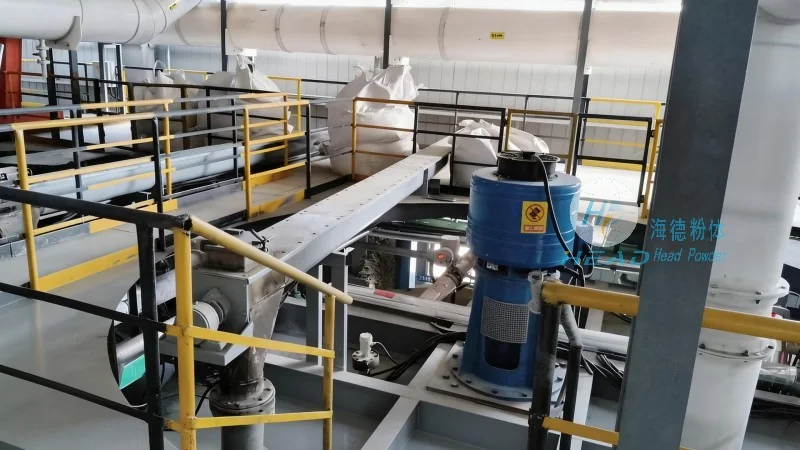
Air-flow or pneumatic conveying systems use compressed air to transport high-calcium powders and granules through a pipeline. These systems are ideal for materials that are dusty or require dust control, as they can be enclosed to prevent environmental contamination. The main advantages of air-flow systems include the ability to transport materials over long distances, the flexibility to change delivery routes, and the reduced risk of material degradation due to minimal contact with equipment. However, they may have lower capacity compared to other methods, and the energy consumption can be higher due to the need for compressed air. Additionally, air-flow systems may not be suitable for materials that are highly abrasive or that generate excessive dust, as this can lead to increased wear on components and reduced system efficiency.
Comparison of Delivery Methods and Practical Recommendations
When selecting a high-calcium delivery method, it is essential to consider the specific characteristics of the material, the required flow rate, the distance to be covered, and the available budget. Pumping systems are best suited for liquid or slurry applications, while screw conveyors are ideal for dry, free-flowing powders. Air-flow systems are suitable for materials that require dust control or long-distance transport. Industrial operators should also evaluate the maintenance requirements and operational costs of each system to ensure long-term efficiency and cost-effectiveness. By carefully assessing these factors, companies can choose the most appropriate high-calcium delivery method to meet their production needs and maintain a competitive edge in the market.
Shandong HeadPowder Engineering Co., Ltd., a leading manufacturer of industrial conveyor systems, specializes in providing customized solutions for high-calcium material handling. With years of experience and a commitment to quality, HeadPowder offers a range of equipment designed to address the unique challenges of high-calcium material delivery. The company's products are engineered to ensure durability, efficiency, and safety, helping industrial clients optimize their operations and improve overall productivity. For more information on high-calcium delivery systems, please contact Shandong HeadPowder Engineering Co., Ltd., located in Shandong, China.

 Shandong Headpowder Engineering Co., Ltd.
 156-6277-7102(Quản lý Trương)
  0531-83386006
  Thành phố Tế Nam, Tỉnh Sơn Đông, Trung Quốc
Điện thoại
WeChatTư vấn
Lên đầu