Với hơn 10 năm kinh nghiệm về vận chuyển khí nén, Headpowder Sơn Đông cung cấp hệ thống, thiết bị và quạt gió toàn chuỗi, đảm nhận các dự án kỹ thuật bột trọn gói trên toàn quốc.
When it comes to handling and transporting spices, selecting the right conveying method is crucial for maintaining product quality, efficiency, and operational costs. Different industries and applications require specific solutions, and understanding the advantages and disadvantages of each method helps in making informed decisions. This article provides a detailed comparison of common spices conveying methods, focusing on their applications, benefits, and potential drawbacks. HeadPowder, a leading manufacturer of industrial conveying equipment, offers a range of solutions tailored to the unique needs of spice processing facilities, ensuring optimal performance and reliability.
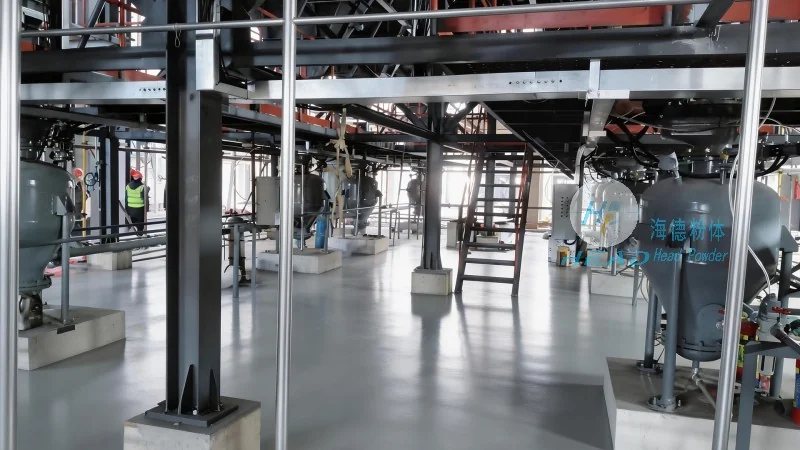
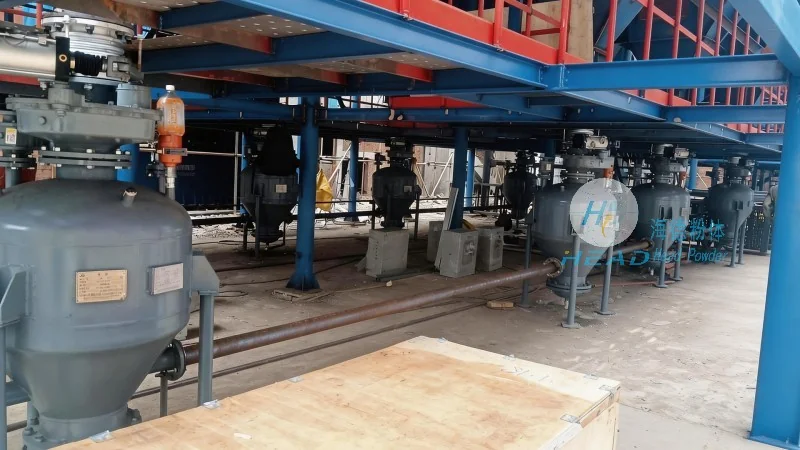
1. Screw Conveyors (Auger Conveyors)
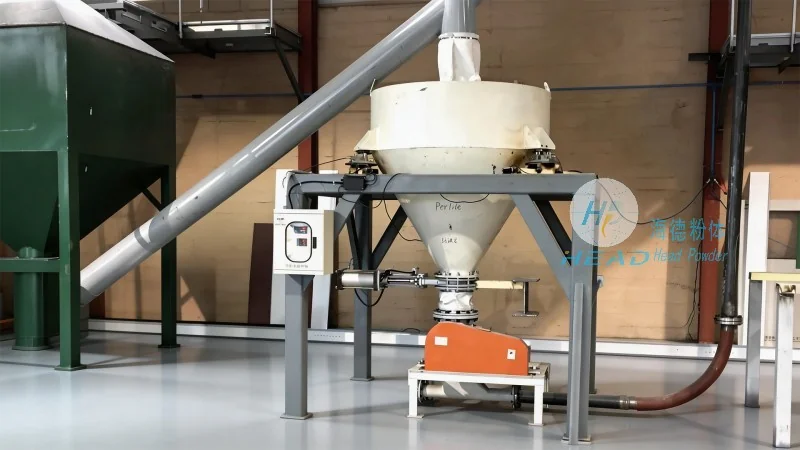
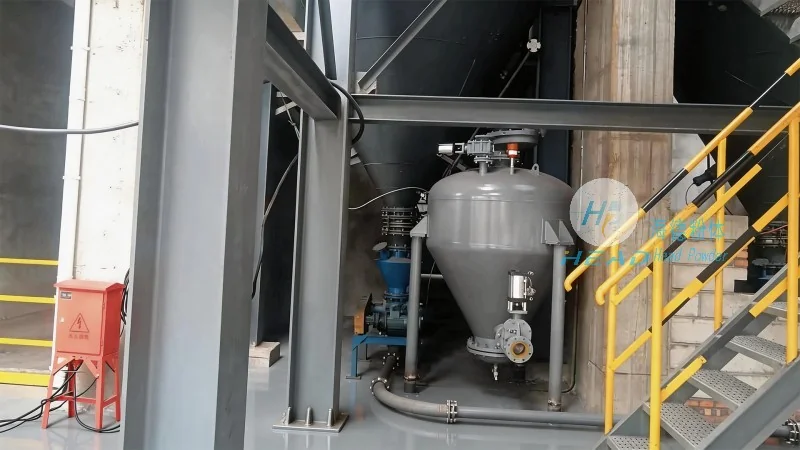
Screw conveyors are one of the most widely used equipment for transporting dry bulk materials, including spices. They consist of a rotating helical screw inside a tube or trough, which moves material from one end to another through gravity and the screw's rotation. The advantages of screw conveyors for spices include their compact design, which saves space in processing facilities, and their ability to handle a wide range of spice types, from fine powders to granules. They are also relatively low-cost to install and maintain, making them an attractive option for small to medium-sized spice processing operations. However, screw conveyors have some limitations. They are not suitable for very fine or dusty spices, as these can cause clogging or excessive wear on the screw and trough. Additionally, they may not be ideal for high-volume applications due to potential material degradation from friction and heat generated by the rotating screw.

 Shandong Headpowder Engineering Co., Ltd.
 156-6277-7102(Quản lý Trương)
  0531-83386006
  Thành phố Tế Nam, Tỉnh Sơn Đông, Trung Quốc
Điện thoại
WeChatTư vấn
Lên đầu