Với hơn 10 năm kinh nghiệm về vận chuyển khí nén, Headpowder Sơn Đông cung cấp hệ thống, thiết bị và quạt gió toàn chuỗi, đảm nhận các dự án kỹ thuật bột trọn gói trên toàn quốc.
When it comes to efficiently handling and transporting beans, selecting the right method is crucial for optimizing operational efficiency and minimizing costs. Various transport systems are available, each with its own set of advantages and disadvantages. This article provides a detailed comparison of common bean transport methods, helping you make an informed decision based on your specific requirements.
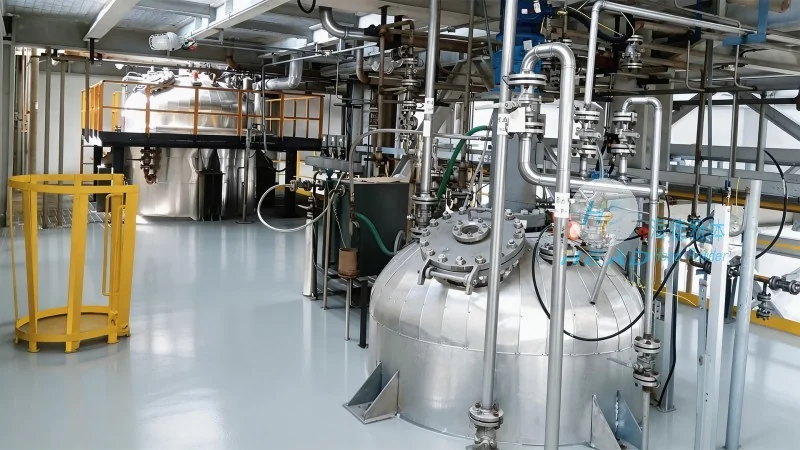
1. Gravity-Based Bean Transport Systems
Gravity-based systems utilize the natural force of gravity to move beans from one point to another. These systems typically consist of inclined chutes or hoppers that allow beans to flow downwards without the need for external power. A key advantage of gravity transport is its simplicity and low operational cost, as it eliminates the need for motors or other power sources. This makes it an ideal choice for short-distance transport within a facility or between adjacent processing units. However, the primary limitation of gravity systems is their dependency on the layout of the facility. The beans must be placed at a higher elevation than the destination point, which may not always be feasible in existing or newly designed plants. Additionally, these systems are less effective for transporting beans over long distances or in vertical applications, as the slope required to maintain a smooth flow can become impractical or even impossible in certain scenarios. The smoothness of the flow also depends on the bean's size, shape, and moisture content, as irregular or sticky beans may cause blockages or uneven flow rates.
2. Mechanical Bean Transport Systems
Mechanical transport systems employ machinery such as conveyors, elevators, and pneumatic conveyors to move beans. These systems offer greater flexibility and control compared to gravity-based methods. For instance, belt conveyors can transport beans horizontally or at a slight incline, while bucket elevators are effective for vertical lifting. One of the main advantages of mechanical systems is their ability to handle a wide range of bean types and sizes, including irregular or sticky beans that may cause issues with gravity systems. They also allow for precise control over speed and direction, which is essential for sorting, cleaning, or packaging operations. However, mechanical systems come with higher initial investment and maintenance costs. The need for regular maintenance of components like belts, buckets, or air filters adds to the operational expenses. Furthermore, mechanical systems may introduce more wear and tear on the beans, potentially affecting their quality. Pneumatic conveyors, which use air pressure to move beans through a pipeline, are particularly useful for long-distance or vertical transport but require careful management of air pressure and flow rates to prevent damage to the beans or system components.
3. Pneumatic Bean Transport Systems
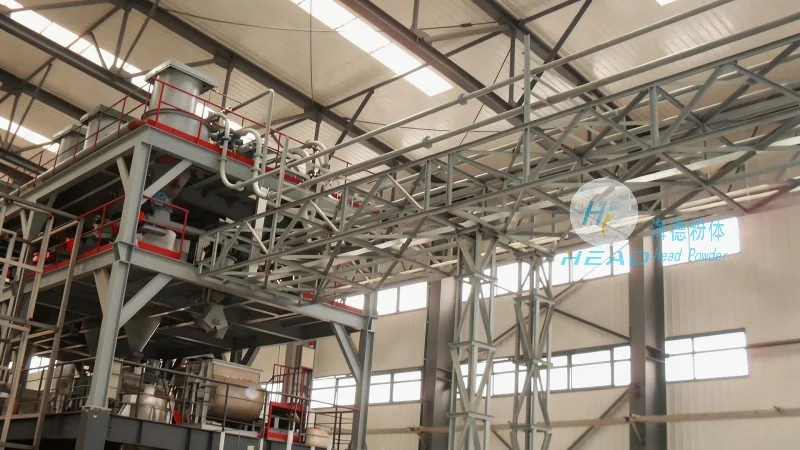
Pneumatic transport systems use air pressure to move beans through a sealed pipeline. This method is highly effective for long-distance or vertical transport, as it can move beans over considerable distances without the need for multiple transfer points. One of the significant advantages of pneumatic systems is their ability to handle both dry and wet beans, as well as various bean sizes and shapes. The enclosed pipeline also protects the beans from contamination and dust, maintaining product quality. However, pneumatic systems have higher energy consumption compared to other methods, as they require continuous air flow to maintain pressure. This can increase operational costs, especially for large-scale operations. Additionally, the system is sensitive to blockages or air leaks, which can cause system failures or reduced efficiency. The initial setup cost is also relatively high due to the need for specialized equipment such as air compressors and pipeline networks. Regular maintenance of air filters and pressure regulators is essential to ensure smooth operation and prevent damage to the system.
4. Combining Transport Methods for Optimal Efficiency
In many industrial settings, a combination of transport methods is used to achieve optimal efficiency. For example, a gravity system might be used for the initial short-distance transport from a hopper to a conveyor, followed by a mechanical conveyor for horizontal movement, and then a pneumatic system for vertical or long-distance transport to the final processing unit. This integrated approach allows for the best of each method, leveraging the low cost and simplicity of gravity systems for short distances, the flexibility of mechanical systems for horizontal movement, and the efficiency of pneumatic systems for vertical or long-distance transport. The choice of combination depends on the specific layout of the facility, the distance and elevation changes required, and the type of beans being transported. A well-designed integrated system can significantly improve overall operational efficiency and reduce costs compared to using a single method for all transport needs.
5. Factors to Consider When Choosing a Bean Transport Method
When selecting a bean transport method, several factors must be considered to ensure the best fit for your operation. The first factor is the distance and elevation changes between the starting and ending points. Short distances and minimal elevation changes may make gravity systems suitable, while longer distances or significant vertical movement may require mechanical or pneumatic systems. The second factor is the type and characteristics of the beans. Beans with irregular shapes, high moisture content, or sticky surfaces may cause issues with gravity systems and require more robust mechanical or pneumatic systems. The third factor is the operational budget and maintenance capabilities. Gravity systems offer low maintenance costs but may have limited flexibility, while mechanical and pneumatic systems offer more flexibility but require higher investment and maintenance. The fourth factor is the required speed and control over the transport process. If precise control over speed and direction is needed for sorting or packaging, mechanical systems may be preferred. Finally, the space available in the facility and the overall layout must be considered, as different systems have different space requirements.
6. Conclusion: Selecting the Right Bean Transport Method
Choosing the right bean transport method is a critical decision that impacts operational efficiency, cost, and product quality. Gravity-based systems are suitable for short-distance, low-cost transport but are limited by the facility layout. Mechanical systems offer flexibility and control but come with higher costs and maintenance. Pneumatic systems are efficient for long-distance or vertical transport but have higher energy consumption and initial costs. The best choice depends on the specific requirements of your operation, including distance, bean characteristics, budget, and space constraints. By carefully evaluating these factors and considering the advantages and disadvantages of each method, you can select a transport system that maximizes efficiency and minimizes costs. Shandong HeadPowder Engineering Co., Ltd. specializes in providing customized bean transport solutions tailored to the unique needs of each client, ensuring optimal performance and reliability in any industrial setting.

 Shandong Headpowder Engineering Co., Ltd.
 156-6277-7102(Quản lý Trương)
  0531-83386006
  Thành phố Tế Nam, Tỉnh Sơn Đông, Trung Quốc
Điện thoại
WeChatTư vấn
Lên đầu