Với hơn 10 năm kinh nghiệm về vận chuyển khí nén, Headpowder Sơn Đông cung cấp hệ thống, thiết bị và quạt gió toàn chuỗi, đảm nhận các dự án kỹ thuật bột trọn gói trên toàn quốc.
Mineral powder conveying is a critical process in various industrial sectors, including mining, construction, and chemical manufacturing. The efficiency and reliability of conveying systems directly impact production costs, safety, and overall operational performance. As a leading provider of engineering solutions, Shandong HeadPowder Engineering Co., Ltd., commonly known as HeadPowder, specializes in designing and manufacturing advanced conveying equipment tailored to the unique needs of mineral powder handling. This article provides a detailed comparison of common mineral powder conveying methods, highlighting their advantages and disadvantages to help industries select the most suitable solution for their applications.
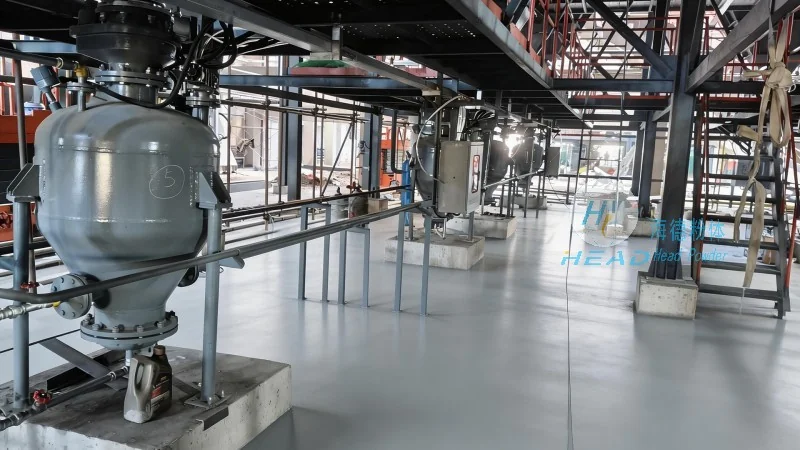
Overview of Common Conveying Methods
Several methods are widely used for mineral powder transportation, each with distinct characteristics and applications. The primary options include pneumatic conveying, screw conveyors, belt conveyors, and bucket elevators. Each method has its own set of advantages and limitations, which are crucial to consider when selecting a system for specific mineral powder types and operational requirements.
Pneumatic Conveying: Advantages and Disadvantages
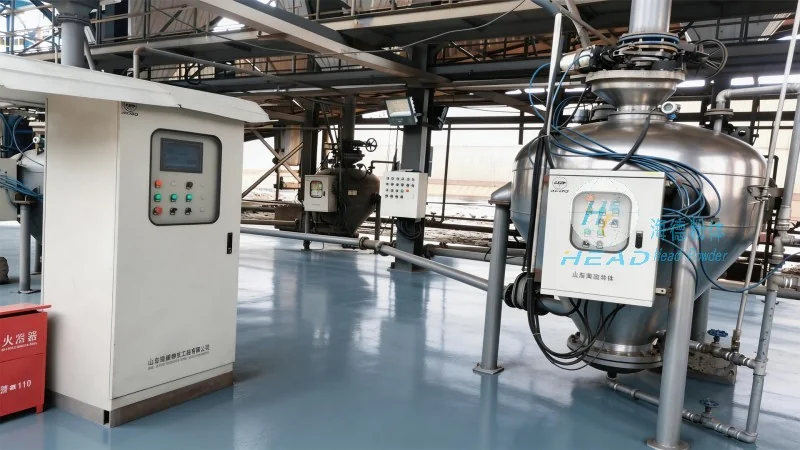
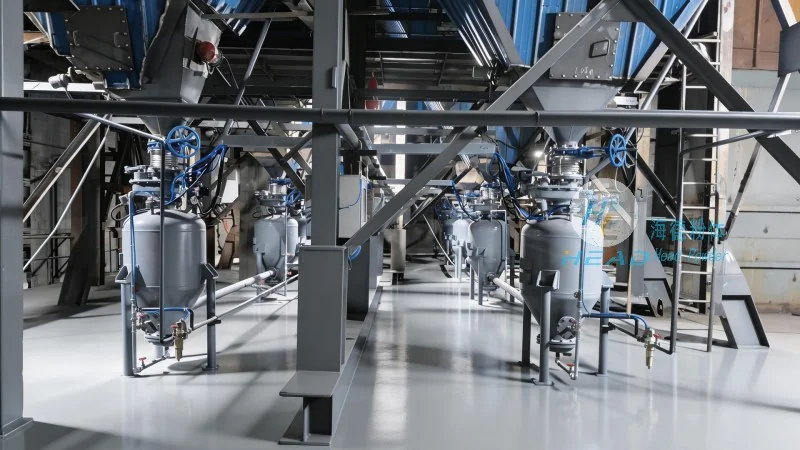
Pneumatic conveying uses air or other gases to transport dry powders through a pipeline system. This method is highly flexible and can handle a wide range of powder types, from fine to coarse particles. One of the key advantages of pneumatic conveying is its ability to transport materials over long distances without the need for multiple transfer points. It also allows for the integration of multiple feeding and discharge points, enhancing operational flexibility. However, pneumatic conveying has several drawbacks. It requires significant energy input to move materials, which can increase operational costs. Additionally, it may not be suitable for abrasive or corrosive powders, as the pipeline and components are prone to wear and damage over time. Another limitation is the potential for material segregation, where different particle sizes or densities separate during transport, affecting product uniformity.
Screw Conveyors: Advantages and Disadvantages
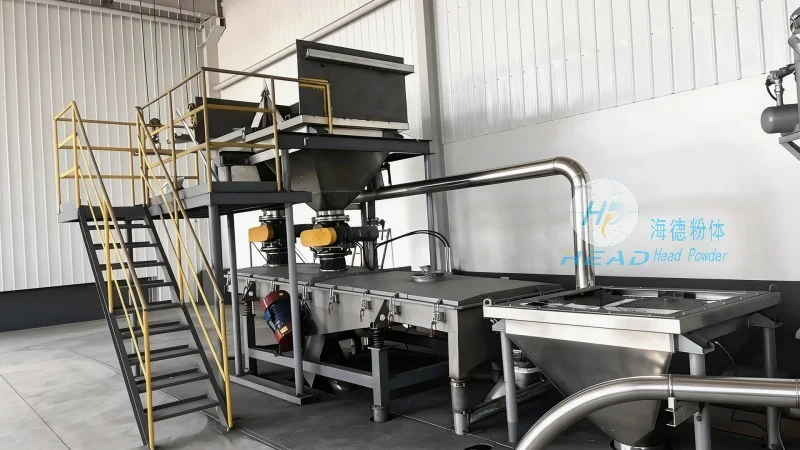
Screw conveyors, also known as auger conveyors, use a rotating screw to move materials along a trough. This method is ideal for handling dry, free-flowing powders and granules. A major advantage of screw conveyors is their simplicity and low maintenance requirements. They are relatively inexpensive to install and operate, making them a cost-effective solution for short to medium-distance transport. Screw conveyors also provide a continuous and uniform flow of material, which is beneficial for processes requiring consistent feed rates. However, they have limitations when dealing with sticky or abrasive materials. Sticky powders can cause the screw to become clogged, leading to downtime and increased maintenance costs. Abrasive materials can wear down the screw and trough, reducing the system's lifespan. Furthermore, screw conveyors are not suitable for long-distance transport, as the material may experience excessive pressure and friction, leading to degradation or blockages.
Belt Conveyors: Advantages and Disadvantages
Belt conveyors use a continuous belt to transport materials horizontally or at a slight incline. This method is commonly used in mining and bulk material handling due to its high capacity and ability to transport materials over long distances. A significant advantage of belt conveyors is their high throughput, making them suitable for large-scale operations. They can handle a wide range of material types, including heavy and abrasive powders, without significant wear. Belt conveyors also offer low maintenance costs compared to other systems, as they have fewer moving parts. However, they have several disadvantages. The initial cost of installation is relatively high, especially for long-distance systems. Belt conveyors require regular tensioning and replacement of the belt, which can be time-consuming and costly. Additionally, they are not suitable for vertical transport, as the belt may slip or fail under heavy loads. Another limitation is the risk of material spillage, which can lead to environmental issues and product loss.
Bucket Elevators: Advantages and Disadvantages
Bucket elevators use a chain or belt with attached buckets to lift materials vertically. This method is ideal for vertical transport of mineral powders, where other systems may not be feasible. A key advantage of bucket elevators is their ability to handle heavy loads and abrasive materials without significant wear. They are also highly efficient for vertical transport, as the buckets can carry a large volume of material with each cycle. However, bucket elevators have limitations. They are not suitable for horizontal transport, as the vertical design restricts their use to vertical or near-vertical applications. The system requires regular maintenance of the bucket chain or belt, which can be complex and costly. Additionally, bucket elevators may cause material segregation, where different particle sizes separate during vertical transport, affecting product uniformity. The high speed of operation can also lead to material degradation, especially for heat-sensitive or fragile powders.
Choosing the Right Conveying Method for Mineral Powders
Selecting the appropriate mineral powder conveying method depends on several factors, including the type of material, distance of transport, required capacity, and operational environment. Industries should consider the specific characteristics of their mineral powders, such as particle size, density, and flowability, to determine the most suitable system. For example, pneumatic conveying is ideal for fine powders and long-distance transport, while screw conveyors are better suited for short-distance, low-capacity applications. Belt conveyors are preferred for large-scale, horizontal transport, and bucket elevators are used for vertical transport of heavy materials. Shandong HeadPowder Engineering Co., Ltd. offers customized conveying solutions that address these factors, ensuring optimal performance and efficiency for each application.
Conclusion
Mineral powder conveying is a complex process that requires careful consideration of various factors to ensure the selection of the most suitable method. Each conveying system has its own set of advantages and disadvantages, which must be evaluated against the specific needs of the industry. By understanding the characteristics of different methods, industries can make informed decisions that enhance operational efficiency, reduce costs, and improve safety. Shandong HeadPowder Engineering Co., Ltd. provides expert guidance and high-quality conveying equipment to help industries achieve their mineral powder handling goals, ensuring reliable and efficient operations.

 Shandong Headpowder Engineering Co., Ltd.
 156-6277-7102(Quản lý Trương)
  0531-83386006
  Thành phố Tế Nam, Tỉnh Sơn Đông, Trung Quốc
Điện thoại
WeChatTư vấn
Lên đầu