Với hơn 10 năm kinh nghiệm về vận chuyển khí nén, Headpowder Sơn Đông cung cấp hệ thống, thiết bị và quạt gió toàn chuỗi, đảm nhận các dự án kỹ thuật bột trọn gói trên toàn quốc.
Sand is a fundamental material in construction and industrial processes, and efficient conveyance is crucial for maintaining productivity and operational efficiency. Various methods are employed to transport sand from one location to another, each with distinct characteristics, advantages, and limitations. This article provides a detailed comparison of common sand conveying methods, focusing on their practical applications and performance aspects.
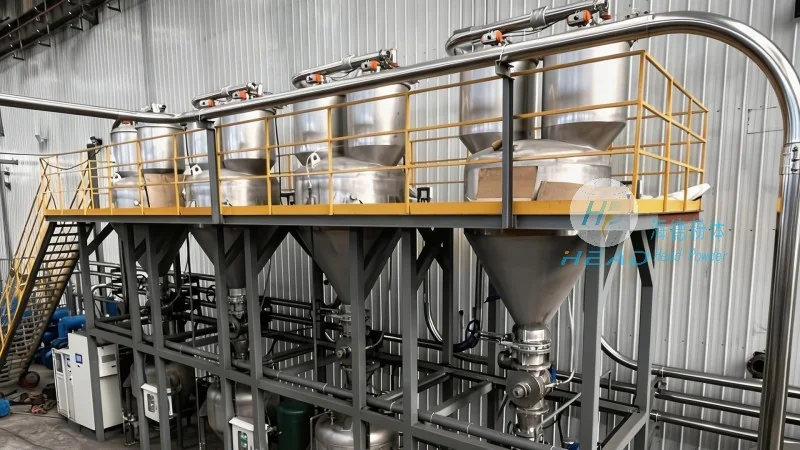
1. Gravity Conveying Systems
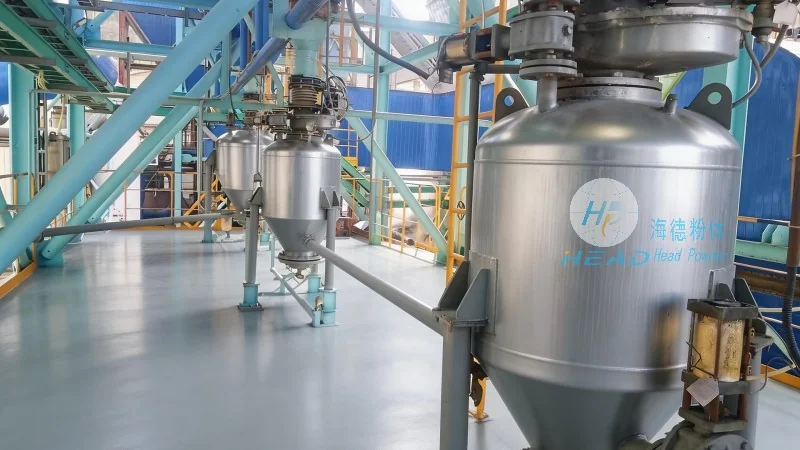
Gravity conveying relies on the natural force of gravity to move sand from a higher elevation to a lower one. This method typically involves chutes or inclined planes that allow the material to flow under its own weight. The primary advantage of gravity conveyors is their simplicity and low operational cost, as they require minimal energy input and have fewer moving parts compared to mechanical systems. However, their effectiveness is highly dependent on the slope of the chute and the characteristics of the sand, such as moisture content and particle size. For instance, if the sand is too fine or contains excessive moisture, it may stick to the chute walls, reducing the flow rate and potentially causing blockages. Additionally, gravity conveyors are limited by the vertical drop available and cannot be used for horizontal or uphill transport without additional mechanisms.
2. Mechanical Conveying Methods
Mechanical conveyors use mechanical components to transport sand, offering greater control and adaptability compared to gravity systems. The most common types include belt conveyors, screw conveyors, and bucket elevators. Belt conveyors are widely used in bulk material handling due to their high capacity and ability to cover long distances. They consist of a continuous belt that moves over rollers or pulleys, transporting sand from the loading point to the discharge point. The advantages of belt conveyors include high throughput, low maintenance requirements, and the ability to handle abrasive materials like sand. However, they may require regular tension adjustments and can be susceptible to damage from heavy impacts or overloading. Screw conveyors, also known as augers, use a rotating screw to push sand forward. They are particularly suitable for vertical or inclined transport and can handle materials with varying moisture levels. The main benefits of screw conveyors are their compact design and ability to operate in confined spaces. Nevertheless, they have lower capacity compared to belt conveyors and can cause wear on the screw and housing due to the abrasive nature of sand. Bucket elevators use a series of buckets attached to a chain or belt to lift sand vertically. They are ideal for vertical transport over significant heights and can handle both dry and wet sand. The advantages include high efficiency and the ability to transport materials at high speeds. However, bucket elevators are more complex and expensive to install, and they require regular maintenance to prevent bucket wear and chain elongation.
3. Pneumatic (Air) Conveying Systems
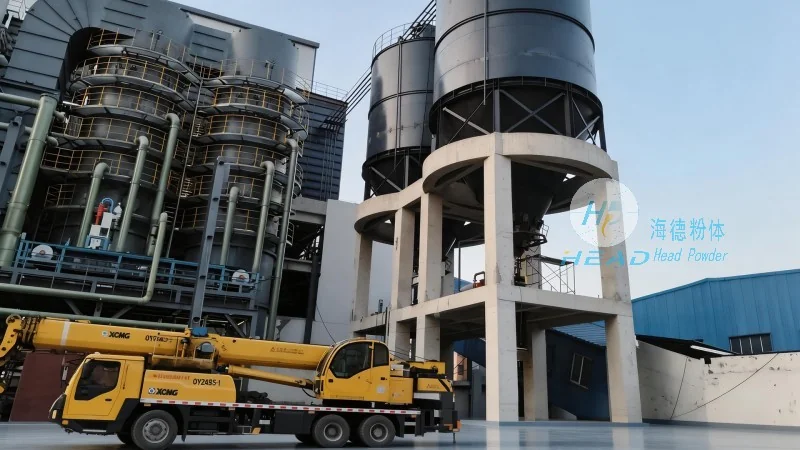
Pneumatic conveying uses compressed air to transport sand in a closed system, typically through pipes or ducts. This method is particularly effective for fine or dusty sand, as it prevents dust dispersion and provides a clean transport environment. The primary advantage of pneumatic conveyors is their ability to handle materials with high moisture content or fine particles, which may cause blockages in other systems. They also offer flexibility in terms of layout, as the conveying line can be routed horizontally, vertically, or at angles. However, pneumatic systems require significant energy input to generate and maintain the air pressure, leading to higher operational costs. Additionally, they are susceptible to pressure drops and material buildup in the pipes, which can reduce efficiency and require regular cleaning or maintenance. The choice of conveying method depends on factors such as the distance, elevation change, material characteristics, and budget constraints. For example, gravity conveyors are suitable for short vertical drops and low-cost applications, while mechanical systems like belt conveyors are preferred for long horizontal distances and high throughput. Pneumatic systems are ideal for fine or dusty sand and applications requiring a closed environment.
4. Advantages and Disadvantages Summary
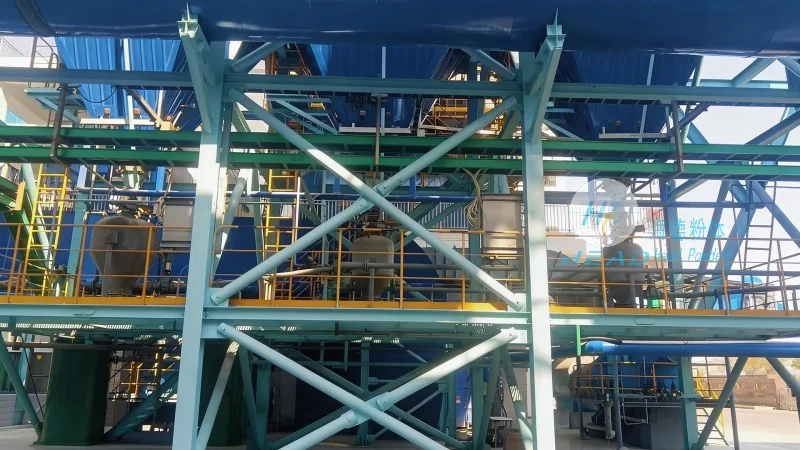
When selecting a sand conveying method, it is essential to consider the specific requirements of the application. Gravity systems offer simplicity and low cost but are limited by the vertical drop and material characteristics. Mechanical conveyors provide greater control and adaptability but may have higher maintenance costs and lower capacity for some applications. Pneumatic systems are effective for fine or dusty sand and closed environments but have higher energy costs. The choice of method should be based on a thorough analysis of the operational needs, material properties, and budget constraints. For instance, in a construction site where sand is transported from a stockpile to a mixing plant, a belt conveyor may be the most suitable option due to its high capacity and ability to cover long horizontal distances. In contrast, a pneumatic system might be preferred for transporting fine sand from a processing plant to a storage silo, as it prevents dust dispersion and handles moisture content effectively.
Conclusion
Efficient sand conveyance is critical for maintaining productivity and operational efficiency in construction and industrial processes. The choice of conveying method depends on various factors, including the distance, elevation change, material characteristics, and budget. Gravity systems are simple and cost-effective but have limitations in terms of vertical drop and material handling. Mechanical conveyors offer greater control and adaptability but may require higher maintenance. Pneumatic systems are effective for fine or dusty sand and closed environments but have higher energy costs. By understanding the advantages and disadvantages of each method, operators can select the most suitable solution for their specific needs. As a leading provider of sand handling solutions, Shandong HeadPowder Engineering Co., Ltd. specializes in designing and manufacturing customized conveying systems tailored to the unique requirements of each project. With years of experience in the industry, HeadPowder offers expert guidance and high-quality equipment to ensure optimal performance and reliability in sand transport operations.

 Shandong Headpowder Engineering Co., Ltd.
 156-6277-7102(Quản lý Trương)
  0531-83386006
  Thành phố Tế Nam, Tỉnh Sơn Đông, Trung Quốc
Điện thoại
WeChatTư vấn
Lên đầu