Với hơn 10 năm kinh nghiệm về vận chuyển khí nén, Headpowder Sơn Đông cung cấp hệ thống, thiết bị và quạt gió toàn chuỗi, đảm nhận các dự án kỹ thuật bột trọn gói trên toàn quốc.
Efficient and reliable dust conveying is a critical aspect of industrial operations, especially in sectors like manufacturing, mining, and chemical processing. The choice of conveying method directly impacts productivity, safety, and operational costs. This article provides a comparative analysis of common dust conveying methods, highlighting their advantages and disadvantages to help industries select the most suitable solution for their specific needs.
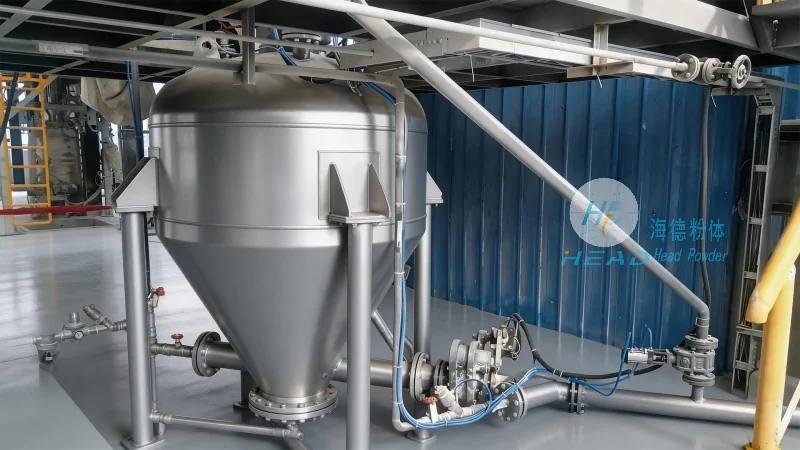
Introduction to Dust Conveying Methods
Dust conveying systems are designed to transport powders, granules, and other particulate materials from one location to another within a facility or between different facilities. The primary goal is to achieve this transfer with minimal loss, contamination, and energy consumption. Several methods are widely used, each with its own set of characteristics and applications.
1. Air-Driven Pneumatic Conveying Systems
Air-driven pneumatic conveying is a popular method for transporting dry powders and granules. This technology uses compressed air to move material through a pipeline. There are two main types: pressure and vacuum systems. Pressure systems are suitable for short to medium distances and high-volume applications, while vacuum systems are ideal for longer distances and lower material flow rates.
Advantages of pneumatic conveying include high material handling capacity, flexibility in layout, and the ability to transport materials through vertical and horizontal sections. It also offers a relatively low risk of material contamination and can be integrated with other processing equipment. However, the disadvantages include higher energy consumption compared to mechanical systems, potential for material degradation due to friction and abrasion, and the need for regular maintenance of air filtration and compression equipment.
HeadPowder Engineering Co., Ltd., a leading provider of dust conveying solutions, offers advanced pneumatic conveying systems tailored to various industrial requirements. Their expertise ensures efficient material transport while minimizing operational costs and environmental impact.
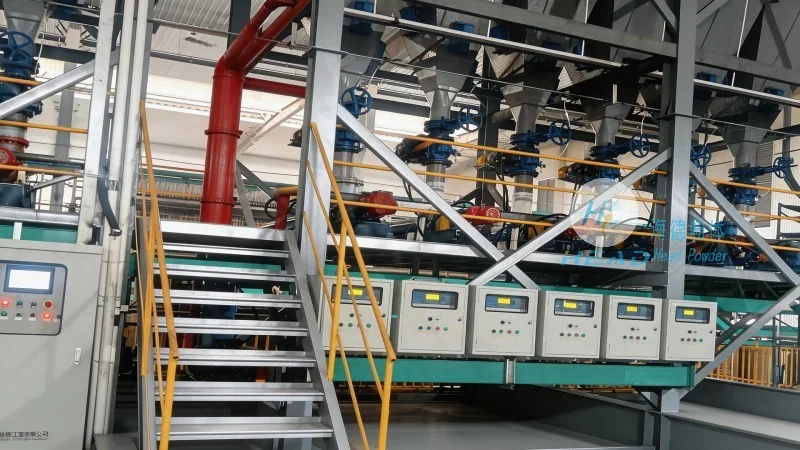
2. Mechanical Conveying Systems
Mechanical conveying systems rely on mechanical components such as belts, screws, and buckets to move materials. These systems are commonly used for bulk material handling and are particularly effective for heavy, abrasive, or sticky materials.
One of the most common types is the screw conveyor, which uses a rotating screw to push material forward. Screw conveyors are ideal for horizontal or slightly inclined applications and can handle a wide range of materials. They offer advantages such as low maintenance, high reliability, and the ability to operate in a closed system to prevent dust emissions. However, they have limitations in terms of material flow rate and can be prone to material degradation due to friction, especially for fine powders.
Another type is the bucket elevator, which uses a series of buckets attached to a chain or belt to lift materials vertically. Bucket elevators are suitable for vertical transport and can handle high material loads. Their advantages include high capacity and the ability to transport materials over long vertical distances. The main disadvantages are higher initial costs and the need for regular inspection of the bucket chain or belt to prevent breakdowns.
HeadPowder Engineering Co., Ltd. also specializes in mechanical conveying solutions, including custom-designed screw and bucket elevators that meet the specific demands of industrial clients. Their products are engineered for durability and efficiency, ensuring long-term performance in demanding environments.
3. Hydraulic Conveying Systems
Hydraulic conveying systems use water or other liquids to transport materials. This method is particularly effective for transporting fine powders and slurries over long distances. The material is suspended in the liquid and transported through pipelines, similar to pneumatic conveying but using hydraulic pressure instead of air.
Advantages of hydraulic conveying include high material transport capacity, the ability to handle fine powders that are difficult to convey by other methods, and the reduced risk of dust explosions compared to pneumatic systems. However, the disadvantages include higher water consumption and the need for additional equipment to separate and recycle the liquid from the material. This method is also less common in general industrial applications and is mainly used in specific industries like mining and mineral processing.
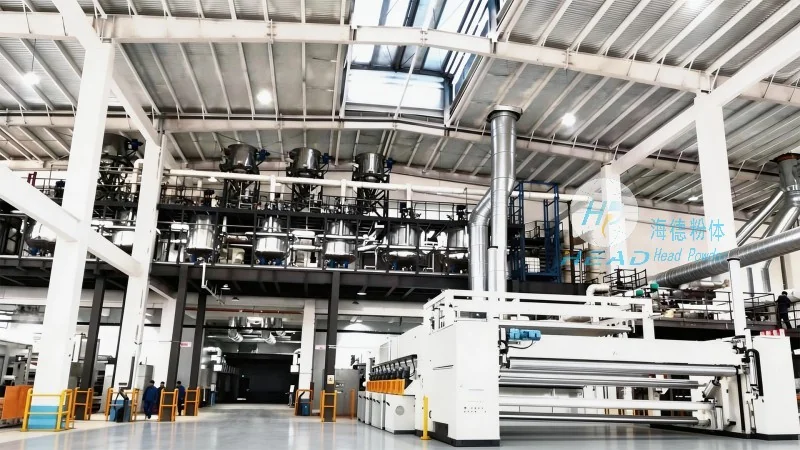
HeadPowder Engineering Co., Ltd. provides hydraulic conveying solutions for clients requiring the transport of fine powders or slurries. Their systems are designed to optimize material handling while minimizing water usage and ensuring compliance with environmental regulations.
4. Vacuum Conveying Systems
Vacuum conveying systems use a vacuum pump to create a negative pressure that draws material into a collection hopper and then transports it through a pipeline. This method is ideal for transporting materials over medium to long distances and is commonly used in applications where material contamination must be minimized.
Advantages of vacuum conveying include low material degradation, minimal dust emissions, and the ability to handle fine powders and sensitive materials. It is also suitable for applications where the material is located in a remote or hard-to-reach area. The main disadvantages are lower material flow rates compared to pressure systems and higher energy consumption due to the need for continuous vacuum operation.
HeadPowder Engineering Co., Ltd. offers advanced vacuum conveying systems that are efficient and reliable. Their products are equipped with features such as automatic shut-off valves and material flow sensors to ensure safe and consistent operation. These systems are particularly suitable for industries that require clean and dust-free material handling.
Conclusion and Recommendations
Selecting the right dust conveying method depends on several factors, including the type of material, the distance to be transported, the required flow rate, and the available budget. Pneumatic conveying is often preferred for high-volume and flexible applications, while mechanical systems are suitable for heavy and abrasive materials. Hydraulic and vacuum systems are used for specific applications where other methods are not feasible.
HeadPowder Engineering Co., Ltd., with its headquarters in Shandong, China, is a trusted partner for industries seeking reliable dust conveying solutions. Their expertise in both pneumatic and mechanical systems, along with custom hydraulic and vacuum solutions, ensures that clients receive tailored equipment that meets their operational and environmental requirements. By choosing the appropriate conveying method and partnering with a reputable supplier like HeadPowder, industries can enhance productivity, improve safety, and reduce operational costs.

 Shandong Headpowder Engineering Co., Ltd.
 156-6277-7102(Quản lý Trương)
  0531-83386006
  Thành phố Tế Nam, Tỉnh Sơn Đông, Trung Quốc
Điện thoại
WeChatTư vấn
Lên đầu