Với hơn 10 năm kinh nghiệm về vận chuyển khí nén, Headpowder Sơn Đông cung cấp hệ thống, thiết bị và quạt gió toàn chuỗi, đảm nhận các dự án kỹ thuật bột trọn gói trên toàn quốc.
Efficient and eco-friendly material handling is a critical concern for industries dealing with bulk materials like river sand. In this context, pneumatic conveying systems offer a superior alternative to traditional methods such as belt conveyors or bucket elevators. This article explores the benefits, applications, and technical aspects of river sand pneumatic conveying, highlighting how it can enhance operational efficiency while minimizing environmental impact.
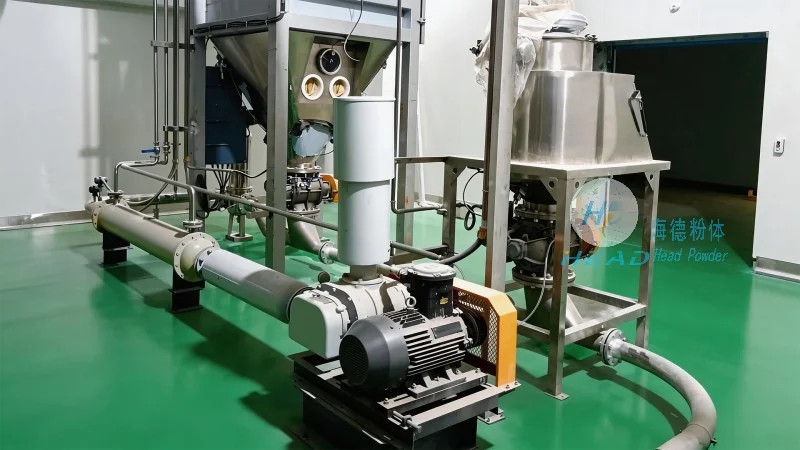
Understanding Pneumatic Conveying for River Sand
Pneumatic conveying, also known as air conveying, is a technology that uses pressurized or vacuum air to transport dry bulk materials through a pipeline. For river sand, which is often used in construction, concrete production, and other industrial applications, this method provides a seamless way to move the material from storage to processing units without the need for mechanical contact. The process involves feeding the sand into a hopper, where it is then drawn into a pipeline by air pressure or suction, ensuring a clean and dust-free transfer.
Key Advantages of River Sand Pneumatic Conveying
One of the primary benefits of pneumatic conveying for river sand is its high efficiency in material transport. Unlike traditional methods that may suffer from material degradation or spillage, pneumatic systems maintain the integrity of the sand, preserving its quality for construction and other uses. Additionally, this method reduces labor costs by automating the material handling process, as the system can operate continuously with minimal human intervention. From an environmental perspective, pneumatic conveying minimizes dust emissions and noise pollution, aligning with modern sustainability goals.
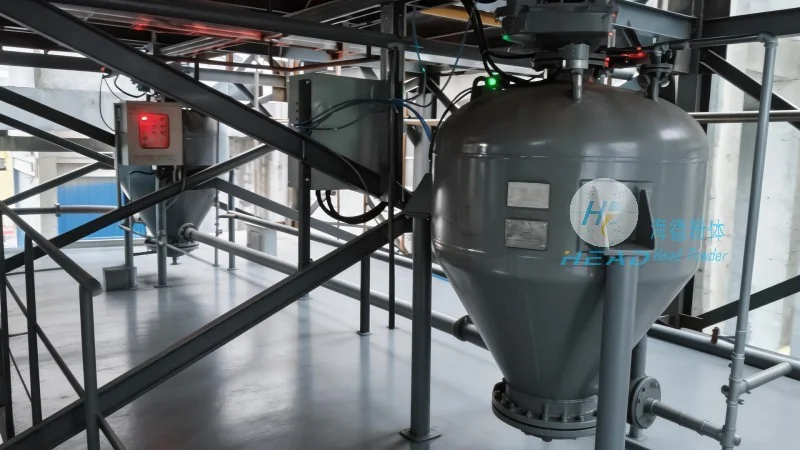
Applications in Construction and Manufacturing
River sand, a key ingredient in concrete and mortar, is widely used in construction projects. Pneumatic conveying systems are particularly suitable for transporting sand to job sites or production facilities, especially in areas with limited space or challenging terrain. The flexibility of the pipeline system allows for easy integration into existing infrastructure, and the ability to adjust air pressure and flow rates ensures optimal performance under varying conditions. This makes it an ideal solution for both large-scale construction projects and small-scale manufacturing operations that require reliable and consistent sand supply.
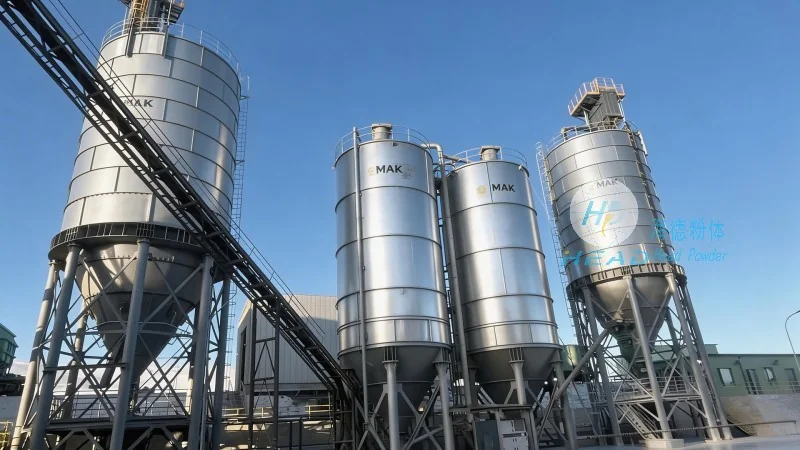
Technical Considerations and System Design
The success of a river sand pneumatic conveying system depends on careful design and selection of components. Key factors include the type of conveying (pressure or vacuum), pipeline diameter, air velocity, and the distance of material transport. For pressure systems, the air compressor must generate sufficient pressure to overcome friction losses in the pipeline, while vacuum systems rely on suction to draw the material. The choice of material for the pipeline (e.g., stainless steel, plastic, or rubber) is also critical, as it must withstand the abrasive nature of river sand and resist corrosion. Proper maintenance, including regular cleaning of the pipeline and air filters, is essential to ensure long-term system performance and prevent downtime.
Environmental and Safety Benefits
Environmental sustainability is a major driver for adopting pneumatic conveying in river sand handling. Unlike mechanical conveyors that may generate dust and require frequent cleaning, pneumatic systems keep the material enclosed within the pipeline, reducing airborne particles and minimizing the risk of contamination. This not only improves workplace safety but also complies with environmental regulations regarding dust emissions. Furthermore, the reduced need for water in cleaning operations (as compared to wet conveying methods) contributes to water conservation, making pneumatic conveying a more eco-friendly option.
Case Studies and Real-World Applications
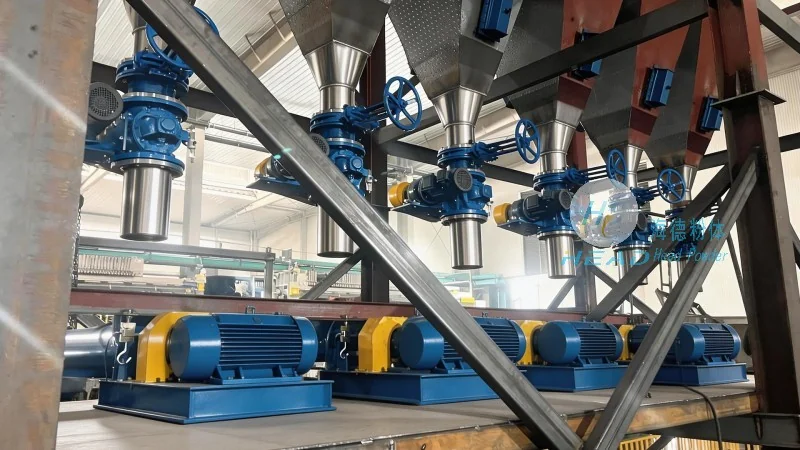
Companies like Shandong HeadPowder Engineering Co., Ltd. have successfully implemented pneumatic conveying systems for river sand in various industrial settings. For instance, a concrete production plant in China utilized a pressure pneumatic system to transport sand from storage silos to mixing units, achieving a 30% reduction in material handling time and a 20% decrease in dust emissions. Another application involved a construction site where the system was used to deliver sand to multiple work areas, improving workflow efficiency and reducing labor costs by automating the material transport process. These case studies demonstrate the practical benefits of pneumatic conveying and its suitability for different operational scales.
Conclusion and Future Outlook
River sand pneumatic conveying represents a forward-thinking solution for efficient and environmentally responsible material handling. By leveraging air pressure or vacuum to transport sand, this technology offers significant advantages over traditional methods, including improved material quality, reduced operational costs, and enhanced environmental performance. As industries continue to prioritize sustainability and operational efficiency, pneumatic conveying systems are likely to become more prevalent in the handling of bulk materials like river sand. With proper system design and maintenance, these solutions can provide long-term benefits, supporting the growth and sustainability of construction and manufacturing sectors.

 Shandong Headpowder Engineering Co., Ltd.
 156-6277-7102(Quản lý Trương)
  0531-83386006
  Thành phố Tế Nam, Tỉnh Sơn Đông, Trung Quốc
Điện thoại
WeChatTư vấn
Lên đầu