

What Are the Methods for Monosodium Glutamate (MSG) Conveyance?
When it comes to the transportation and handling of monosodium glutamate (MSG), selecting the right conveying method is crucial for ensuring efficiency, safety, and product integrity. The choice of conveyance system depends on various factors including the volume of material, the physical properties of the MSG, the distance to be covered, and the overall production environment. Here, we explore several common methods used for MSG conveyance, highlighting their applications and advantages.
1. Screw Conveyors for MSG Handling
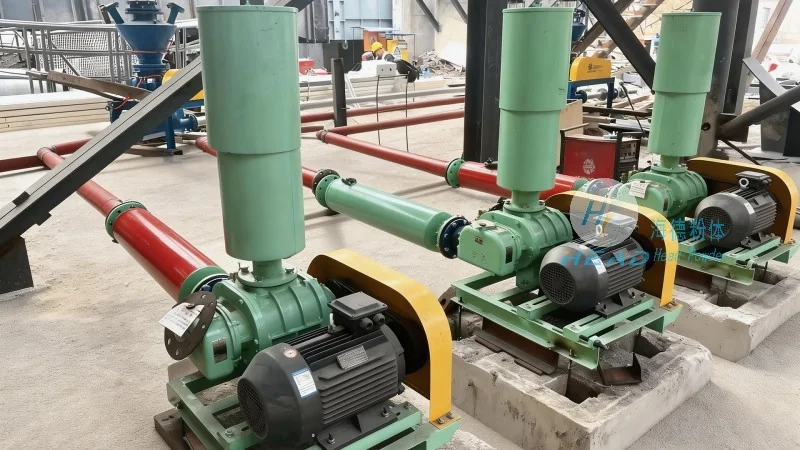
Screw conveyors, also known as auger conveyors, are widely used in the MSG industry due to their simplicity and effectiveness in moving granular materials like MSG. These conveyors consist of a rotating helical screw inside a U-shaped or cylindrical trough. As the screw rotates, it pushes the material forward, allowing for both horizontal and inclined transport. For MSG, which is typically a fine powder or granule, screw conveyors can handle the material without causing excessive dust or degradation. The enclosed design of screw conveyors helps maintain product cleanliness and prevents contamination from external sources. This makes them ideal for applications where the MSG needs to be moved within a processing facility, such as from storage silos to mixing tanks or packaging lines. The smooth operation of screw conveyors also minimizes product breakage, preserving the quality of the MSG. Additionally, screw conveyors can be easily integrated with other equipment, such as feeders and mixers, to form a seamless production line. The company, Shandong HeadPowder Engineering Co., Ltd., specializes in designing and manufacturing customized screw conveyor systems tailored to the specific needs of MSG processing plants. Their expertise ensures that the conveyors are built to handle the unique characteristics of MSG, including its moisture content and flowability. The company's facilities in Shandong, China, are equipped with advanced manufacturing capabilities to produce high-quality screw conveyors that meet industry standards and customer requirements.
2. Pneumatic Conveying Systems for MSG Transport
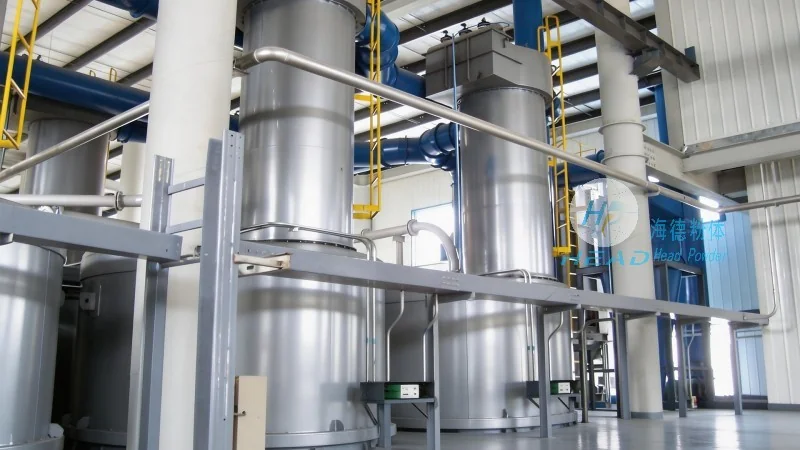
Pneumatic conveying systems use air or other gases to transport MSG particles through a pipeline network. This method is particularly suitable for applications where the MSG needs to be moved over longer distances or to different parts of a facility without the need for multiple transfer points. There are two main types of pneumatic conveying: pressure and vacuum systems. Pressure systems push the material using compressed air, while vacuum systems pull the material using a vacuum. For MSG, which is a fine powder, pressure systems are often preferred as they can handle the material more efficiently and with less risk of clogging. The company, Shandong HeadPowder Engineering Co., Ltd., offers a range of pneumatic conveying solutions designed for MSG transport. Their systems are engineered to handle the high flow rates and low particle size of MSG, ensuring reliable and continuous operation. The company's engineers consider factors such as the material's density, particle size distribution, and moisture content when designing the pneumatic system. This ensures that the system can maintain optimal air-to-material ratios, reducing energy consumption and preventing material degradation. The enclosed nature of pneumatic conveying also helps in maintaining product purity and preventing cross-contamination. Pneumatic systems are particularly useful in applications where the MSG needs to be transferred from one processing area to another, such as from a storage silo to a packaging line or from a mixing station to a drying unit. The company's expertise in pneumatic conveying allows them to provide customized solutions that meet the specific requirements of each MSG processing facility.
3. Belt Conveyors for Bulk MSG Handling
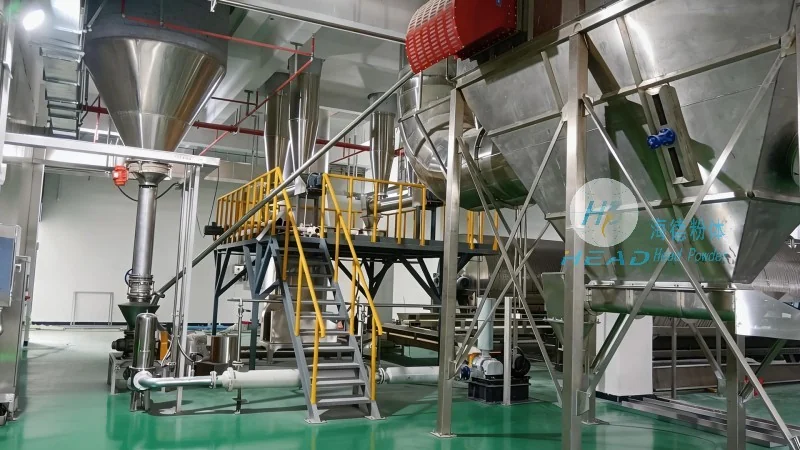
Belt conveyors are commonly used for the bulk handling of MSG, especially in large-scale production facilities. These conveyors consist of a continuous belt that moves over rollers or pulleys, transporting the MSG from one location to another. Belt conveyors are capable of handling large volumes of material and can be designed to operate at high speeds, making them suitable for long-distance transport. For MSG, which is often stored in bulk quantities, belt conveyors can efficiently move the material from storage silos to processing areas or to packaging lines. The company, Shandong HeadPowder Engineering Co., Ltd., manufactures high-quality belt conveyor systems specifically for MSG handling. Their conveyors are designed with durable materials to withstand the abrasive nature of MSG particles and to resist corrosion from any moisture present. The company's engineers consider factors such as the material's flowability and the required load capacity when designing the belt conveyor. This ensures that the system can handle the weight and volume of MSG without causing excessive wear or breakdown. Belt conveyors are also easy to integrate with other equipment, such as elevators and feeders, to form a comprehensive material handling system. The company's facilities in Shandong, China, use advanced manufacturing techniques to produce belt conveyors that meet the highest standards of quality and performance. Their products are known for their reliability and longevity, making them a preferred choice for MSG processing plants.