Với hơn 10 năm kinh nghiệm về vận chuyển khí nén, Headpowder Sơn Đông cung cấp hệ thống, thiết bị và quạt gió toàn chuỗi, đảm nhận các dự án kỹ thuật bột trọn gói trên toàn quốc.
White clay, a crucial material in various industrial applications such as papermaking, ceramics, and chemical processing, requires efficient and reliable transport methods to ensure smooth production workflows. The choice of transport method depends on factors like the clay's consistency, the distance to be covered, and the specific requirements of the end-use application. This article explores the primary methods employed for white clay transport, highlighting the advantages and considerations of each approach.
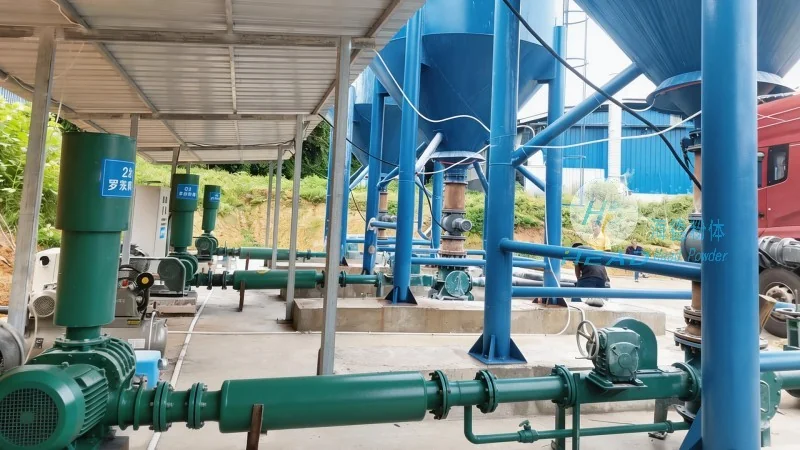
1. Pipeline Transportation: A Seamless Solution for Continuous Flow
Pipeline transportation is a widely adopted method for moving white clay, especially in large-scale industrial operations. This approach involves pumping the clay slurry through a network of pipes, which can be made from materials like stainless steel, PVC, or rubber-lined steel to withstand the abrasive nature of the material. The system typically includes a slurry pump, a storage tank, and a pipeline network that connects the extraction point to the processing facility. One of the key advantages of pipeline transport is its ability to maintain a continuous flow, reducing downtime and improving operational efficiency. Additionally, it minimizes material handling and exposure to external contaminants, which is critical for maintaining the quality of white clay used in sensitive applications like paper production. The pipeline system can be designed to handle varying clay concentrations, from low to high consistency, by adjusting the pump speed and flow rate. This flexibility makes it suitable for both short and long-distance transport, with some systems capable of covering distances of several kilometers without significant pressure loss. However, the initial investment for pipeline infrastructure can be substantial, and maintenance costs may increase over time due to the abrasive nature of the clay, which can wear down pipe walls and pump components. Regular inspection and replacement of wear parts are essential to ensure the longevity and efficiency of the pipeline system.
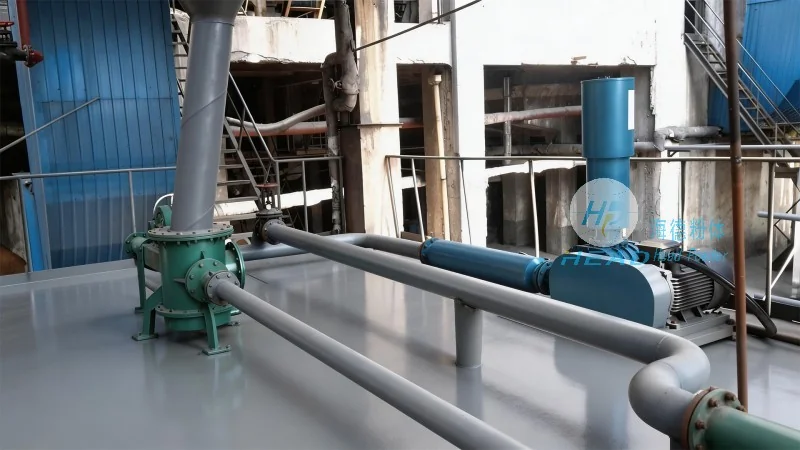
2. Belt Conveyor Systems: Efficient for Bulk Material Handling
Belt conveyor systems are another common method for transporting white clay, particularly in bulk material handling scenarios. These systems consist of a continuous belt that moves over rollers or pulleys, carrying the clay from the source to the processing area. The belt is typically made from durable materials like rubber or synthetic fabrics, designed to resist the abrasiveness of white clay. Belt conveyors are highly efficient for moving large volumes of material over moderate distances, with the ability to handle both dry and wet clay. The speed of the conveyor can be adjusted to control the flow rate, ensuring that the processing equipment receives the clay at a consistent rate. One of the main advantages of belt conveyors is their low maintenance requirements compared to other systems, as they have fewer moving parts and are less prone to breakdowns. Additionally, they can be easily integrated with other processing equipment, such as crushers or mixers, to form a complete production line. Belt conveyors are also suitable for outdoor applications, as they can be constructed with weather-resistant components and protected from the elements. However, they may not be as effective for long-distance transport, as the belt may sag or require additional support structures to maintain proper tension. The initial cost of a belt conveyor system is generally lower than that of a pipeline system, but the ongoing costs for belt replacement and maintenance should be considered. The design of the conveyor system, including the angle of inclination and the length of the belt, must be carefully planned to prevent material spillage and ensure smooth operation.
3. Pumping Methods: Ideal for High-Viscosity or Suspended Solids
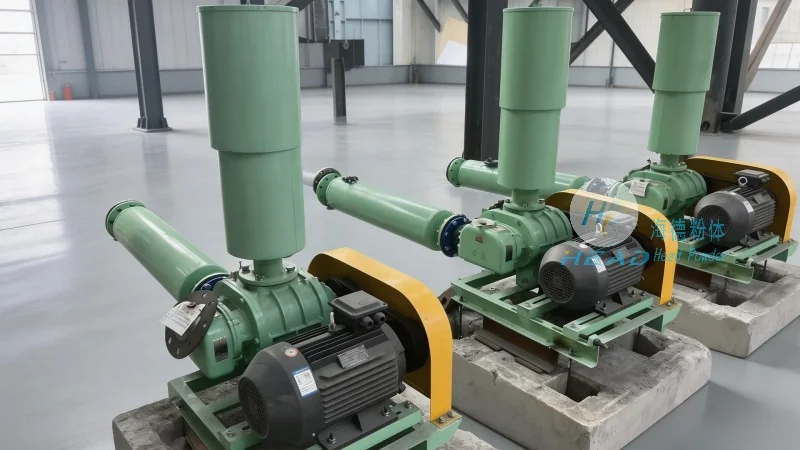
Pumping methods, including centrifugal pumps and positive displacement pumps, are often used for white clay transport when the material has high viscosity or contains suspended solids. These pumps are capable of handling the abrasive and potentially corrosive nature of white clay, which can cause wear on pump components. Centrifugal pumps are commonly used for low to medium viscosity clay slurries, as they can provide a high flow rate with relatively low pressure. The pump's impeller rotates to create a centrifugal force that moves the clay through the system, making it suitable for applications where a continuous flow is required. Positive displacement pumps, such as gear pumps or piston pumps, are more suitable for high-viscosity or shear-sensitive clay, as they provide a consistent flow rate regardless of changes in pressure. These pumps work by trapping a fixed volume of clay and forcing it through the discharge port, which is ideal for applications where precise control over the flow rate is necessary. One of the key advantages of pumping methods is their ability to transport clay over long distances with minimal pressure loss, as the pump can maintain a consistent pressure throughout the system. Additionally, they can be used in vertical or horizontal configurations, allowing for flexible installation in different production settings. However, pumping systems require regular maintenance to prevent wear and tear on the pump components, as the abrasive nature of white clay can lead to premature failure. The selection of the pump type depends on the specific characteristics of the clay, including its density, viscosity, and particle size, as well as the distance and elevation changes in the transport system. Proper selection and maintenance are crucial to ensure the efficiency and longevity of the pumping system.
4. Combination Systems: Optimizing Transport for Complex Requirements
In many industrial applications, a single transport method may not be sufficient to meet the complex requirements of white clay transport. Combination systems, which integrate multiple transport methods, are often used to optimize the process. For example, a system may use a pipeline to transport the clay from the extraction point to a processing facility, followed by a belt conveyor to move the clay to a storage area. Alternatively, a pumping system may be combined with a belt conveyor to handle both the transport and the feeding of the clay into a processing machine. Combination systems allow for greater flexibility and efficiency, as they can adapt to changes in production demand or material characteristics. The key to successful implementation of combination systems is careful planning and integration of the different components. This includes ensuring that the flow rates and pressures of each system are compatible, and that the transition points between different transport methods are designed to minimize material loss and maintain the quality of the clay. Combination systems may have higher initial costs due to the complexity of the design and installation, but they can provide significant long-term benefits by improving overall operational efficiency and reducing downtime. The use of sensors and control systems in combination systems can further enhance their performance, allowing for real-time monitoring and adjustment of the transport parameters. This level of automation helps to maintain consistent quality and reduces the need for manual intervention, which is particularly important in applications where the quality of white clay is critical.

 Shandong Headpowder Engineering Co., Ltd.
 156-6277-7102(Quản lý Trương)
  0531-83386006
  Thành phố Tế Nam, Tỉnh Sơn Đông, Trung Quốc
Điện thoại
WeChatTư vấn
Lên đầu