Với hơn 10 năm kinh nghiệm về vận chuyển khí nén, Headpowder Sơn Đông cung cấp hệ thống, thiết bị và quạt gió toàn chuỗi, đảm nhận các dự án kỹ thuật bột trọn gói trên toàn quốc.
Colored sand, a crucial material in various industries such as construction, decoration, and manufacturing, requires efficient and reliable conveying methods to ensure smooth production processes. The choice of conveying method significantly impacts operational efficiency, material quality, and overall project success. This article explores the primary methods for colored sand conveying, providing insights into the options available for different applications and environments.
Understanding Colored Sand Conveying: Key Considerations
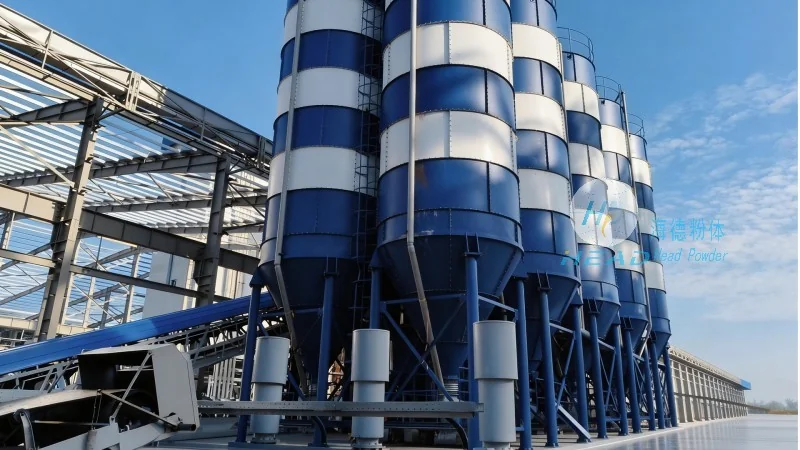
Before delving into specific conveying methods, it is essential to understand the unique properties of colored sand. Unlike regular sand, colored sand often contains pigments or additives that may affect its flow characteristics, abrasiveness, and compatibility with conveying equipment. Factors like particle size, moisture content, and the presence of foreign materials must be considered when selecting a conveying system. Additionally, the scale of the operation—whether it's a small-scale project or a large industrial facility—plays a vital role in determining the most suitable conveying method.
Common Methods for Colored Sand Conveying
Several methods are commonly employed for colored sand conveying, each with its own advantages and limitations. The selection of a method depends on factors such as the volume of material to be conveyed, the distance, the required speed, and the environmental conditions. Below are some of the most widely used approaches:
1. Screw Conveyors (Auger Conveyors)
Screw conveyors, also known as auger conveyors, are among the most popular methods for conveying colored sand. These systems consist of a rotating helical screw inside a trough or tube, which moves the material forward through the mechanism. Screw conveyors are particularly effective for handling dry, free-flowing materials like colored sand, as they can maintain a consistent flow without the need for additional power or external components. They are suitable for both horizontal and inclined applications, making them versatile for various production setups. The design of the screw (e.g., solid or sectional) and the speed of rotation can be adjusted to optimize material handling efficiency. For instance, in a manufacturing plant producing colored sand products, a screw conveyor can efficiently transport raw colored sand from storage bins to processing units, ensuring a steady supply of material for production lines.
2. Belt Conveyors
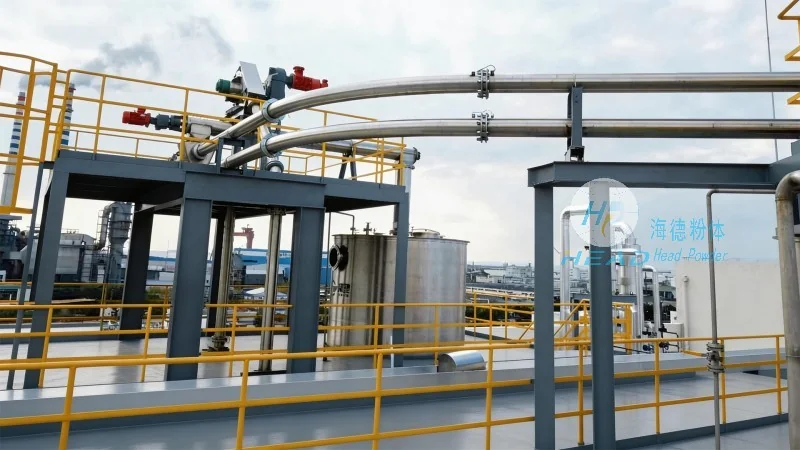
Belt conveyors are another widely used method for colored sand conveying, especially in applications requiring long-distance transport or high-volume material handling. These systems utilize a continuous belt that moves over rollers or pulleys, carrying the colored sand from one location to another. Belt conveyors are known for their ability to handle large quantities of material with minimal maintenance, making them ideal for industrial settings where efficiency and reliability are paramount. The belt material and design (e.g., flat or troughed) can be selected based on the characteristics of the colored sand, such as its abrasiveness or moisture content. For example, in a construction material factory, a belt conveyor can transport colored sand from a storage area to a mixing or packaging station, facilitating seamless production workflows. The use of belt conveyors also allows for easy integration with other equipment, such as elevators or feeders, enhancing overall operational flexibility.
3. Pneumatic Conveying Systems
Pneumatic conveying systems, which use air or gas to transport colored sand, offer a flexible and efficient solution for conveying materials in enclosed environments. These systems consist of a series of pipes or ducts through which the colored sand is carried by the force of moving air. Pneumatic conveying can be either positive or negative pressure, depending on the application. Positive pressure systems push the material through the system using compressed air, while negative pressure systems draw the material in using vacuum. Pneumatic conveying is particularly advantageous for handling fine or dusty colored sand, as it minimizes dust exposure and contamination. This method is often used in industries where dust control is critical, such as in pharmaceutical or food processing facilities. However, it requires careful consideration of air pressure, flow rates, and system design to ensure efficient and reliable material transport. For instance, in a decorative stone production plant, a pneumatic conveying system can transport colored sand from a storage silo to a mixing or coating machine, maintaining a clean and controlled environment.
4. Bucket Elevators
Bucket elevators are vertical conveying systems that use buckets attached to a chain or belt to lift and transport colored sand vertically. These systems are commonly used in applications where the material needs to be moved vertically over significant heights, such as in silos or storage towers. Bucket elevators are known for their high capacity and ability to handle abrasive materials without causing excessive wear. The design of the buckets (e.g., deep or shallow) and the speed of the elevator can be adjusted to optimize material handling efficiency. For example, in a large-scale colored sand production facility, a bucket elevator can transport colored sand from a ground-level storage area to an elevated processing unit, ensuring a continuous supply of material for production. The use of bucket elevators also allows for easy integration with other equipment, such as feeders or classifiers, enhancing overall operational efficiency.
5. Vibrating Conveyors
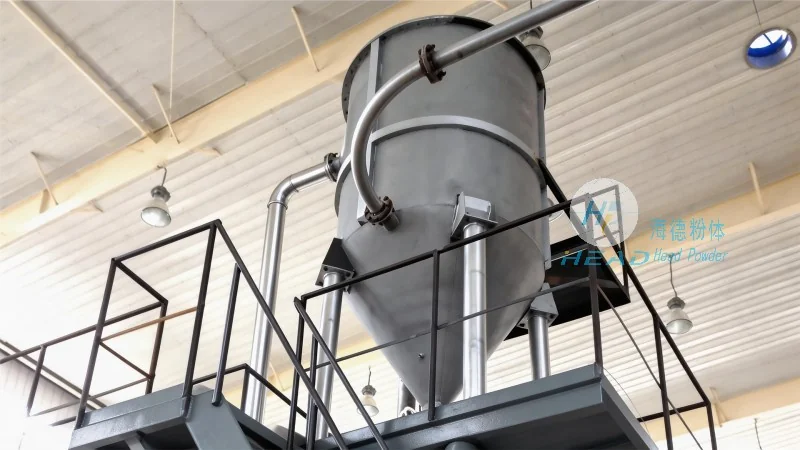
Vibrating conveyors utilize vibrations to move colored sand along a trough or conveyor bed. These systems consist of a conveyor belt or trough that is vibrated at specific frequencies and amplitudes, causing the material to move forward. Vibrating conveyors are effective for handling materials with poor flow characteristics, such as wet or sticky colored sand, as the vibrations help to break up clumps and maintain a consistent flow. They are also suitable for inclined applications, where gravity alone may not be sufficient to move the material. The frequency and amplitude of the vibrations can be adjusted to optimize material handling efficiency. For instance, in a sand processing plant, a vibrating conveyor can transport colored sand from a storage bin to a processing unit, ensuring that even wet or sticky materials are conveyed smoothly. The use of vibrating conveyors also reduces the risk of material buildup and blockages, improving overall operational reliability.
Choosing the Right Conveying Method for Colored Sand
Selecting the appropriate conveying method for colored sand is a critical decision that impacts operational efficiency, material quality, and overall project success. The choice should be based on a thorough analysis of the material properties, operational requirements, and environmental considerations. For example, if the colored sand is dry and free-flowing, a screw conveyor or belt conveyor may be sufficient. However, if the material is fine or dusty, a pneumatic conveying system may be more suitable to minimize dust exposure. Similarly, if the material needs to be transported vertically over significant heights, a bucket elevator may be the best option. It is also important to consider the scale of the operation and the available space, as different conveying methods require different amounts of space and infrastructure.
Conclusion
Efficient colored sand conveying is essential for ensuring smooth production processes and maintaining product quality. The methods discussed above—screw conveyors, belt conveyors, pneumatic conveying systems, bucket elevators, and vibrating conveyors—each offer unique advantages and are suitable for different applications. By carefully evaluating the material properties, operational requirements, and environmental conditions, manufacturers can select the most appropriate conveying method for their needs. As the demand for colored sand continues to grow in various industries, the importance of efficient conveying systems will only increase. Companies like Shandong HeadPowder Engineering Co., Ltd., with their expertise in material handling solutions, play a vital role in providing reliable and effective conveying systems for colored sand applications. Their commitment to quality and innovation ensures that clients receive tailored solutions that meet their specific requirements, contributing to improved operational efficiency and overall success in the colored sand industry.

 Shandong Headpowder Engineering Co., Ltd.
 156-6277-7102(Quản lý Trương)
  0531-83386006
  Thành phố Tế Nam, Tỉnh Sơn Đông, Trung Quốc
Điện thoại
WeChatTư vấn
Lên đầu