Với hơn 10 năm kinh nghiệm về vận chuyển khí nén, Headpowder Sơn Đông cung cấp hệ thống, thiết bị và quạt gió toàn chuỗi, đảm nhận các dự án kỹ thuật bột trọn gói trên toàn quốc.
Glutinous rice, with its unique properties and widespread use in food processing, requires specialized conveying solutions to ensure safe and efficient movement through production lines. The choice of conveying method significantly impacts the integrity of the product, energy consumption, and overall operational costs. Understanding the available options helps manufacturers optimize their processes and maintain compliance with industry standards.
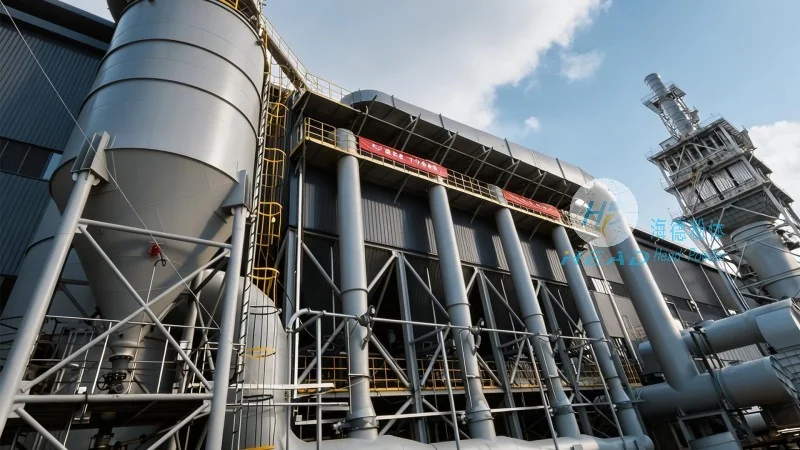
Common Conveying Systems for Glutinous Rice
Several conveying systems are commonly employed in the handling of glutinous rice, each with distinct advantages and applications. The selection depends on factors such as the volume of material, the distance to be covered, and the need for minimal product degradation. Key systems include screw conveyors, pneumatic conveyors, and belt conveyors, among others.
Screw Conveyors: A Reliable Option for Horizontal and Inclined Transport
Screw conveyors, also known as auger conveyors, are widely used for the horizontal and inclined transport of glutinous rice. These systems consist of a rotating helical screw blade enclosed within a U-shaped or cylindrical housing. As the screw rotates, it pushes the rice forward, allowing for smooth and continuous movement. Screw conveyors are particularly effective for handling bulk materials like glutinous rice, as they can transport the product without the need for additional power sources beyond the motor driving the screw. The design minimizes product breakage and ensures consistent flow, making it suitable for both short and medium-distance conveying tasks.
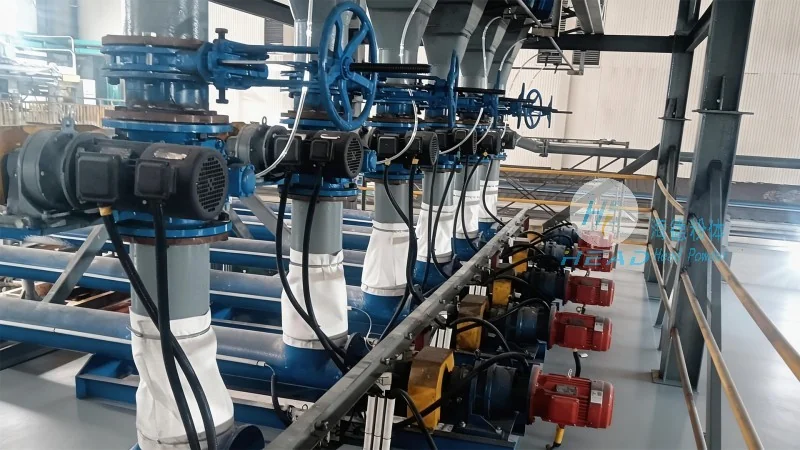
Pneumatic Conveying: Efficient for Long-Distance and Dust-Free Transport
Pneumatic conveying systems utilize air pressure to move glutinous rice through a network of pipes. This method is ideal for long-distance transport and applications where dust control is critical. There are two main types of pneumatic conveyors: pressure and vacuum systems. In pressure systems, compressed air pushes the rice from the source to the destination, while vacuum systems draw the material using a fan. Pneumatic conveying offers advantages such as reduced labor costs, minimal product contamination, and the ability to handle materials in a closed system, preventing dust and moisture exposure. However, it requires careful design to manage air flow and prevent material buildup in the pipes.
Belt Conveyors: Versatile for Bulk Material Handling
Belt conveyors are another popular choice for conveying glutinous rice, especially in scenarios requiring high-volume and continuous transport. These systems consist of a continuous belt that moves over rollers or pulleys, transporting the rice from one point to another. Belt conveyors can be customized with different belt materials and widths to accommodate various particle sizes and loads. They are suitable for both horizontal and slight incline applications and are often used in combination with other equipment, such as hoppers and elevators, to form a complete material handling system. The design allows for easy integration with other production processes and provides a reliable method for moving large quantities of glutinous rice efficiently.
Hybrid and Specialized Conveying Solutions
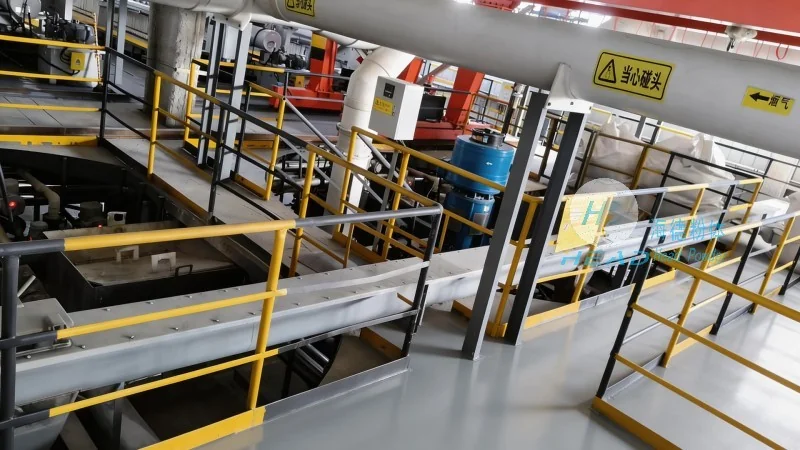
In some cases, manufacturers may opt for hybrid systems or specialized conveying solutions tailored to unique production requirements. For example, combination screw and belt systems can be used to handle both horizontal and vertical transport, providing flexibility in complex production lines. Additionally, specialized conveyors designed for handling sticky or cohesive materials, such as certain types of rice, may incorporate features like adjustable speed controls and anti-sticking mechanisms to prevent material buildup and ensure smooth operation.
Key Considerations for Choosing a Conveying Method
When selecting a conveying method for glutinous rice, several factors must be considered to ensure optimal performance and cost-effectiveness. These include the physical properties of the rice (e.g., moisture content, particle size), the distance and layout of the production facility, energy consumption, and maintenance requirements. It is also essential to evaluate the impact of the conveying system on product quality, such as minimizing breakage, preventing contamination, and maintaining consistent moisture levels. By carefully assessing these factors, manufacturers can choose the most suitable conveying method that aligns with their operational goals and budget constraints.
Conclusion
Conveying glutinous rice effectively requires a careful evaluation of available technologies and their suitability for specific applications. Whether using screw conveyors, pneumatic systems, or belt conveyors, each method offers unique benefits and considerations. By understanding the characteristics of each system and aligning them with production needs, manufacturers can enhance operational efficiency, maintain product quality, and reduce long-term costs. As the demand for efficient food processing solutions continues to grow, the choice of conveying method remains a critical aspect of successful production operations.

 Shandong Headpowder Engineering Co., Ltd.
 156-6277-7102(Quản lý Trương)
  0531-83386006
  Thành phố Tế Nam, Tỉnh Sơn Đông, Trung Quốc
Điện thoại
WeChatTư vấn
Lên đầu