Với hơn 10 năm kinh nghiệm về vận chuyển khí nén, Headpowder Sơn Đông cung cấp hệ thống, thiết bị và quạt gió toàn chuỗi, đảm nhận các dự án kỹ thuật bột trọn gói trên toàn quốc.
When it comes to transporting mineral powders, selecting the right conveying method is crucial for efficiency, cost-effectiveness, and material integrity. Various technologies are available, each suited to different operational requirements, material characteristics, and production environments. This article explores the primary methods used for mineral powder conveying, highlighting the key considerations and applications for each approach.
1. Screw Conveyors (Auger Conveyors)
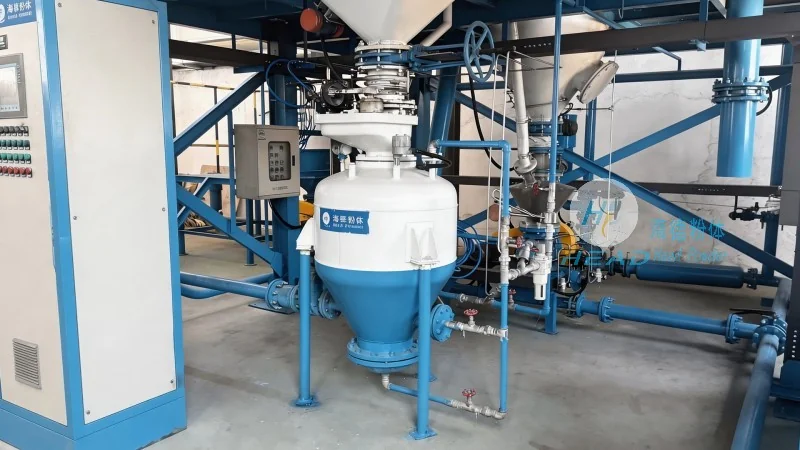
Screw conveyors, also known as auger conveyors, are among the most common and versatile equipment for mineral powder handling. These systems consist of a rotating helical screw blade enclosed within a tube or trough. As the screw rotates, it pushes the material forward, allowing for both horizontal and inclined transport. Screw conveyors are particularly effective for handling dry, free-flowing powders and granular materials. They are often used in applications such as bulk material feeding, batching, and material transfer between processing stages. The design of screw conveyors can be customized to accommodate different material types, with options including solid flights, ribbon flights, or special coatings to prevent material buildup or corrosion. For instance, in the mining and mineral processing industries, screw conveyors are frequently employed to transport crushed ores, limestone, or other fine powders from storage silos to processing equipment. The simplicity of screw conveyors makes them a cost-effective solution for many applications, though they may have limitations with highly abrasive or sticky materials, which can lead to wear and reduced efficiency over time.
2. Pneumatic Conveying Systems
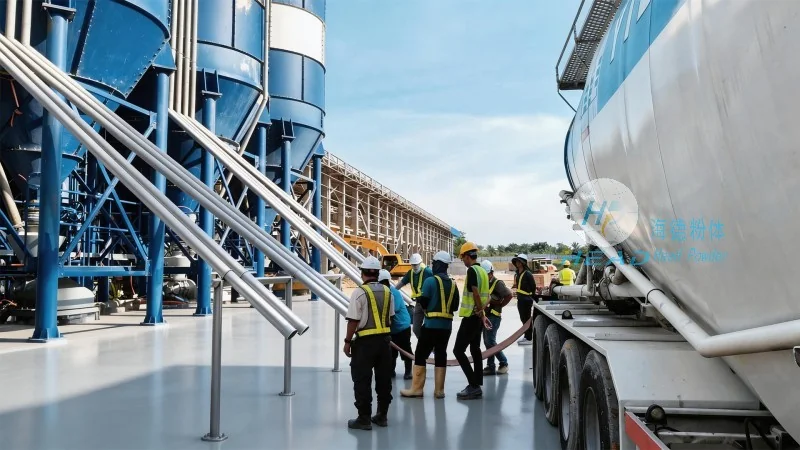
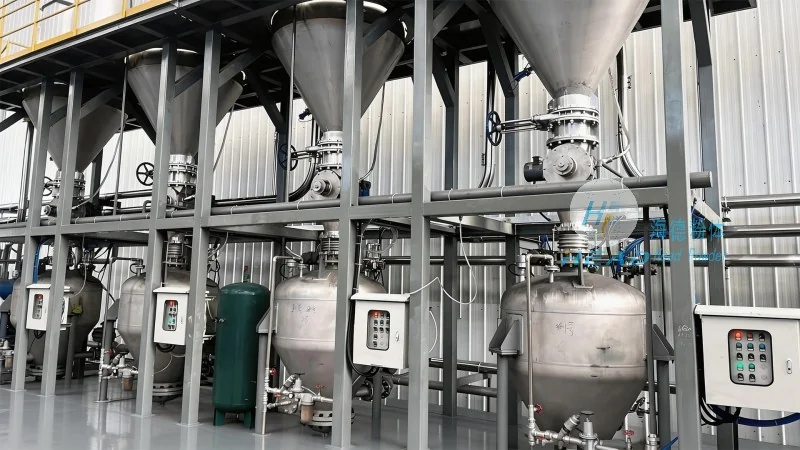
Pneumatic conveying systems use air or other gases to transport mineral powders through a pipeline. This method is ideal for applications requiring enclosed, dust-free transport, as well as for moving materials over longer distances or between multiple locations. There are two main types of pneumatic conveying: pressure and vacuum systems. Pressure systems force air and material through the pipeline using a positive pressure blower, while vacuum systems draw material into the pipeline using a vacuum pump. Pneumatic conveying is particularly suitable for handling fine powders that are prone to dusting or require protection from contamination. It is commonly used in industries such as cement, chemical processing, and food processing, where maintaining material purity is critical. The flexibility of pneumatic systems allows for integration with existing infrastructure, and they can be designed to handle a wide range of particle sizes and flow rates. However, pneumatic conveying can be more energy-intensive than other methods, and the design must account for factors like material density, flow rate, and pipeline length to ensure efficient operation. For example, in a mineral processing plant, a pressure pneumatic system might be used to transport fine limestone powder from a grinding mill to a storage silo, ensuring minimal dust exposure and efficient material transfer.
3. Belt Conveyors
Belt conveyors are widely used for the bulk transport of mineral powders, especially in mining and quarry operations. These systems consist of a continuous belt that moves over rollers or pulleys, carrying the material from one point to another. Belt conveyors are capable of handling large volumes of material over long distances, making them ideal for transporting crushed ores, sand, or other bulk materials from the mine site to processing facilities or storage areas. The design of belt conveyors can be customized to accommodate different material types, with options including heavy-duty belts, impact beds, and idler rollers to handle high loads and abrasive materials. Belt conveyors are often used in conjunction with other equipment, such as crushers or screens, to form a continuous material handling system. They are known for their reliability and low maintenance requirements, though they require regular inspection and maintenance to prevent belt slippage or wear. In the context of Shandong HeadPowder Engineering Co., Ltd., belt conveyors may be integrated into a comprehensive material handling solution to optimize the flow of mineral powders from extraction to processing.
4. Bucket Elevators
Bucket elevators are vertical or inclined conveyor systems that use a series of buckets attached to a chain or belt to transport mineral powders. These systems are particularly effective for vertical or steeply inclined transport, allowing materials to be lifted from lower to higher levels with minimal space requirements. Bucket elevators are commonly used in industries such as mining, cement, and food processing, where vertical transport is necessary to move materials between different stages of production. The design of bucket elevators can be customized to handle different material characteristics, with options including solid buckets, slotted buckets, or special coatings to prevent material spillage or wear. They are known for their high capacity and efficiency, especially when transporting bulk materials over vertical distances. However, bucket elevators require careful alignment and maintenance to ensure smooth operation, as misalignment can lead to increased wear and reduced performance. For example, in a cement plant, a bucket elevator might be used to transport raw materials from a storage silo to a kiln, ensuring a continuous and reliable supply of material for the production process.

 Shandong Headpowder Engineering Co., Ltd.
 156-6277-7102(Quản lý Trương)
  0531-83386006
  Thành phố Tế Nam, Tỉnh Sơn Đông, Trung Quốc
Điện thoại
WeChatTư vấn
Lên đầu