Với hơn 10 năm kinh nghiệm về vận chuyển khí nén, Headpowder Sơn Đông cung cấp hệ thống, thiết bị và quạt gió toàn chuỗi, đảm nhận các dự án kỹ thuật bột trọn gói trên toàn quốc.
When it comes to managing carbon powder in industrial settings, selecting the right delivery method is crucial for efficiency, cost-effectiveness, and operational safety. The choice of carbon powder delivery system can significantly impact production processes, material handling, and overall workflow. For businesses operating in sectors such as printing, manufacturing, or recycling, understanding the available options and their implications is essential. This article explores the various methods of carbon powder delivery, providing insights into how different approaches can meet specific operational needs.
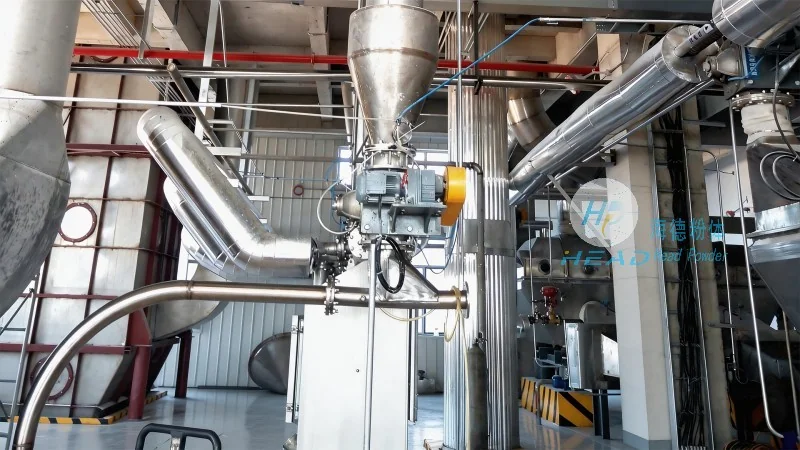
Understanding Carbon Powder Delivery Systems
Carbon powder, often used in printing, toner production, or industrial applications, requires specialized handling due to its fine particle size and potential for dust generation. The delivery of carbon powder involves transporting the material from storage to processing equipment, such as printers, mixers, or extruders. The primary goal is to ensure consistent flow, minimize waste, and maintain product quality. Different delivery methods are designed to address these challenges, each with its own advantages and limitations.
Key Factors in Choosing a Carbon Powder Delivery Method
Before selecting a carbon powder delivery system, several factors must be considered. These include the volume of powder to be transported, the distance between the source and destination, the required flow rate, and the environmental conditions of the facility. Additionally, the type of equipment being used and the overall budget for the system play a role in the decision-making process. By evaluating these factors, businesses can choose a delivery method that aligns with their operational requirements and long-term goals.
Common Carbon Powder Delivery Methods
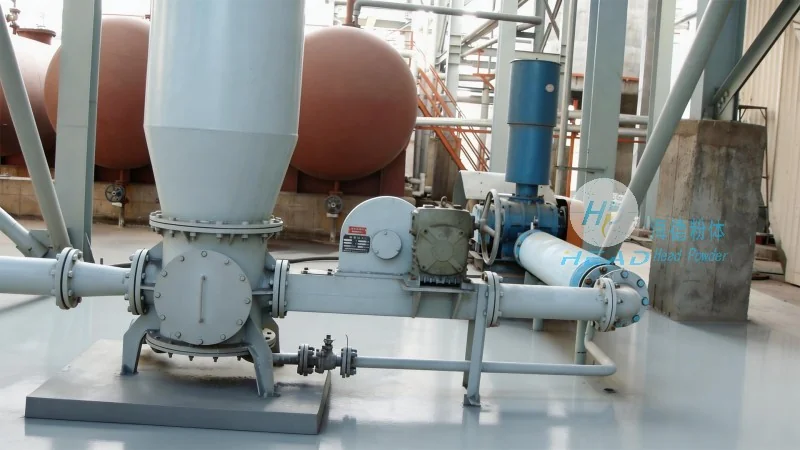
Several methods are commonly employed for carbon powder delivery, each suited to different applications and operational scenarios. The most prevalent approaches include pneumatic conveying (both pressure and vacuum), mechanical conveying, and gravity-based systems. Each method has unique characteristics that make it suitable for specific situations.
Pneumatic Conveying Systems
Pneumatic conveying is a widely used method for transporting carbon powder due to its ability to handle fine particles and operate over relatively long distances. This system uses air pressure or vacuum to move the powder through a pipeline. There are two main types of pneumatic conveying: pressure and vacuum. Pressure systems use compressed air to push the powder forward, while vacuum systems use a vacuum to pull the powder from the source to the destination. Pneumatic conveying is effective for both short and long distances and can handle high volumes of powder. However, it requires proper maintenance to prevent clogging and ensure consistent performance.
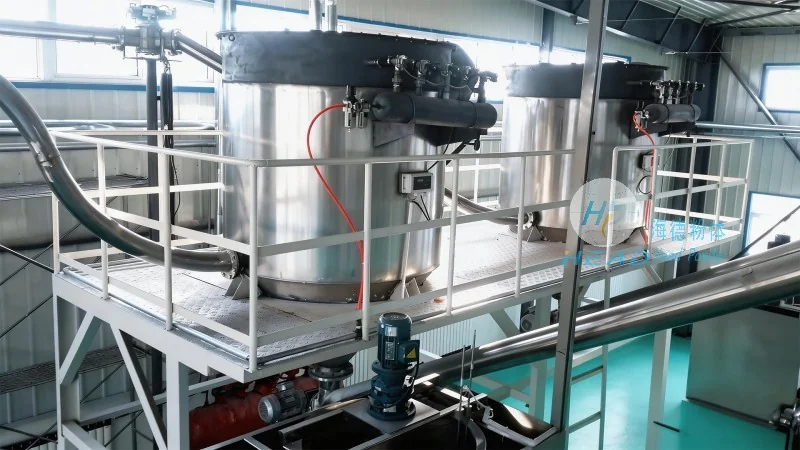
Mechanical Conveying Systems
Mechanical conveying systems utilize mechanical components, such as screws, belts, or buckets, to transport carbon powder. These systems are often used for shorter distances and lower volumes compared to pneumatic methods. Screw conveyors, for example, are commonly used in industrial settings to move powder from one location to another. They are relatively simple to install and maintain, making them a cost-effective option for many applications. However, mechanical conveyors may not be suitable for very fine or abrasive powders, as they can cause wear and tear on the equipment.
Gravity-Based Delivery Systems
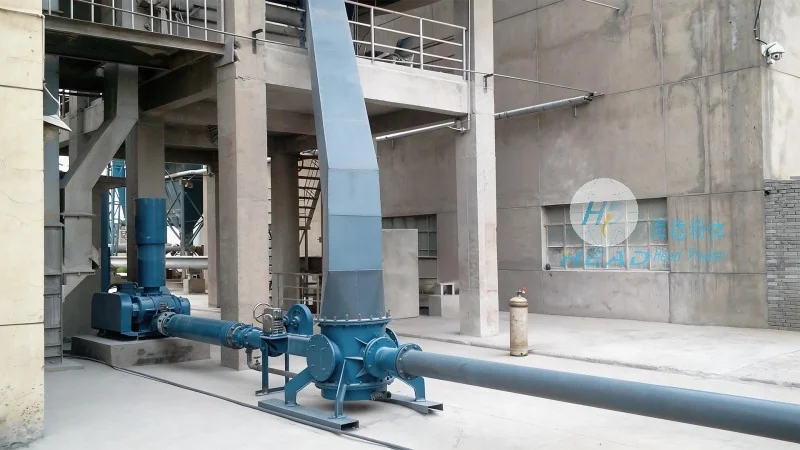
Gravity-based delivery systems rely on the natural force of gravity to move carbon powder from a higher to a lower elevation. These systems typically involve hoppers or chutes that allow the powder to flow downward into processing equipment. Gravity systems are simple and low-cost, making them ideal for applications where the powder needs to be moved over short distances and at a low flow rate. However, they are limited by the need for a sufficient vertical drop and may not be effective for transporting large volumes or fine powders over long distances.
Considerations for Selecting the Right Delivery Method
When choosing a carbon powder delivery method, it is essential to consider the specific characteristics of the powder and the operational environment. For example, if the powder is highly abrasive or prone to clogging, pneumatic conveying with appropriate filters and cleaning mechanisms may be necessary. If the facility has limited vertical space, a gravity system might be more suitable. Additionally, the cost of installation, maintenance, and energy consumption should be evaluated to ensure the chosen system is economically viable in the long term.

 Shandong Headpowder Engineering Co., Ltd.
 156-6277-7102(Quản lý Trương)
  0531-83386006
  Thành phố Tế Nam, Tỉnh Sơn Đông, Trung Quốc
Điện thoại
WeChatTư vấn
Lên đầu