Với hơn 10 năm kinh nghiệm về vận chuyển khí nén, Headpowder Sơn Đông cung cấp hệ thống, thiết bị và quạt gió toàn chuỗi, đảm nhận các dự án kỹ thuật bột trọn gói trên toàn quốc.
Handling and transporting dust and powders is a critical aspect of many industrial processes, from manufacturing to material processing. The choice of transport method significantly impacts operational efficiency, material integrity, and safety. Various techniques have been developed to address the diverse characteristics of different dust types, including particle size, moisture content, and handling environment. This article explores the primary methods used for dust transport, detailing their applications and key considerations.
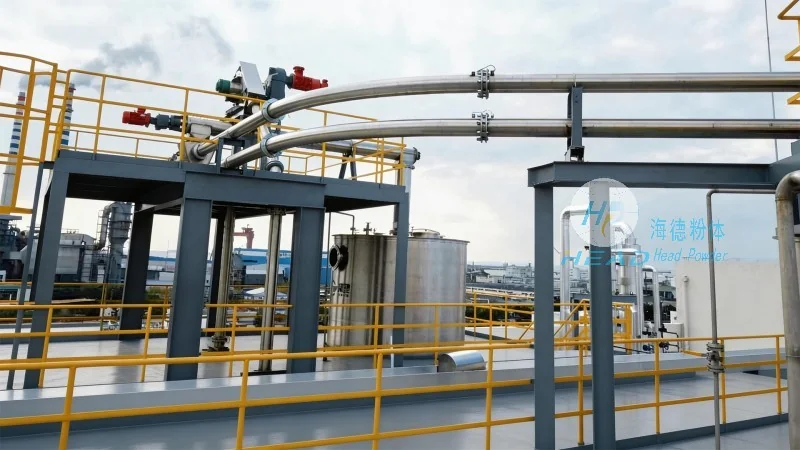
Pneumatic Conveying Systems: The Role of Air Pressure
Pneumatic conveying is a widely used method for transporting dust and powders, leveraging air pressure to move materials through a pipeline. This technique is particularly effective for materials that are difficult to handle mechanically, such as fine powders or those with high moisture content. There are two main types of pneumatic conveying: pressure and vacuum systems. Pressure systems use compressed air to push material through the pipeline, while vacuum systems use a vacuum to draw material from a source. The choice between these systems depends on factors like material properties, distance, and system complexity. Pneumatic conveying offers advantages such as minimal material degradation, low maintenance requirements, and the ability to transport materials over long distances. However, it may require higher energy input and careful consideration of air filtration to prevent dust emissions.
Mechanical Conveying Equipment: Traditional Solutions
For applications where pneumatic systems are not suitable or practical, mechanical conveying equipment provides reliable alternatives. These systems rely on mechanical force to move materials, typically through a continuous or intermittent motion. Common types include screw conveyors, belt conveyors, and bucket elevators. Screw conveyors use a rotating screw to push material along a trough, making them ideal for handling dry, free-flowing powders. Belt conveyors, on the other hand, use a moving belt to transport materials horizontally or at a slight incline, suitable for bulk materials with larger particle sizes. Bucket elevators are designed to lift materials vertically, using buckets attached to a chain or belt. Mechanical conveyors are often preferred for their simplicity, low energy consumption, and ability to handle a wide range of materials. However, they may be less effective for fine powders that tend to clog or degrade under mechanical stress.
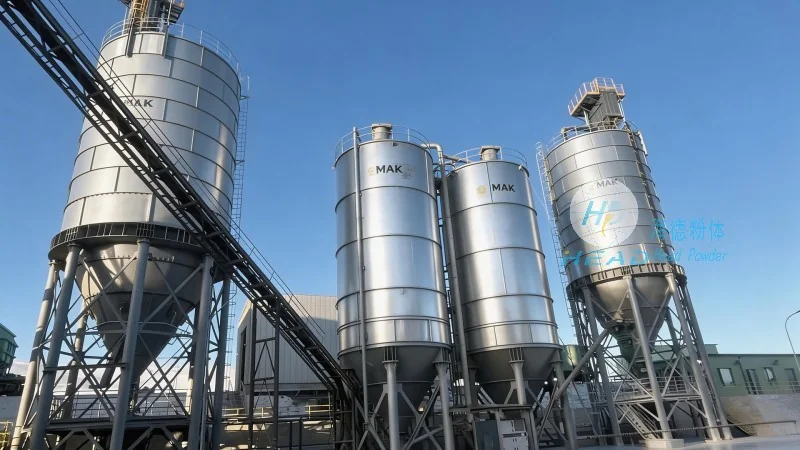
Gravity Conveying: Efficient for Low-Profile Applications
Gravity conveying is a simple and cost-effective method for transporting materials that can flow freely under the influence of gravity. This technique is commonly used for materials with low moisture content and moderate particle size, where the material can be channeled along a sloped surface or chute. Gravity conveyors are particularly effective for short-distance transport, such as moving materials from a storage silo to a processing unit. The main advantage of gravity conveying is its low operational cost, as it does not require any external power source. However, it is limited by the need for a suitable slope and the inability to handle materials that are sticky or prone to clogging. Additionally, gravity systems may not be suitable for materials that require controlled speed or direction, as the flow is determined by gravity alone.
Hybrid Systems: Combining Methods for Optimal Performance
In many industrial settings, a single transport method may not be sufficient to meet all the requirements of a process. Hybrid systems, which combine two or more of the above techniques, are often used to achieve optimal performance. For example, a pneumatic conveying system may be used to transport fine powders from a storage silo to a mixing unit, while a mechanical conveyor is used to move bulk materials from the mixing unit to a packaging line. Another common hybrid system is the use of a screw conveyor to feed a pneumatic line, where the screw conveyor provides a consistent feed rate to the pneumatic system. Hybrid systems allow for greater flexibility and efficiency, as they can be tailored to the specific needs of a process. However, they may require more complex design and maintenance, as multiple components must work in harmony.
Key Considerations for Selecting a Dust Transport Method
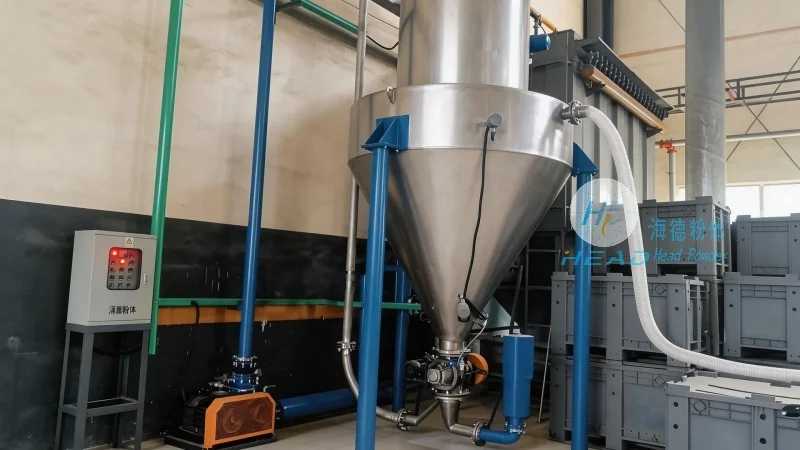
When selecting a dust transport method, several factors must be considered to ensure the best fit for a specific application. First, the properties of the material being transported, such as particle size, moisture content, and flowability, are critical. Materials with fine particles or high moisture content may require pneumatic conveying, while bulkier materials may be better suited for mechanical conveyors. Second, the distance and layout of the transport system must be taken into account. Long-distance transport may require pneumatic systems, while short-distance transport may be handled by gravity or mechanical conveyors. Third, the operational requirements, such as speed, capacity, and control, must be considered. Some processes require precise control over material flow, which may necessitate the use of advanced control systems with mechanical or pneumatic conveyors. Finally, safety and environmental considerations are essential. Dust emissions must be minimized to comply with regulations and protect workers, which may require additional equipment such as filters or dust collection systems.
Conclusion: Choosing the Right Method for Dust Transport
Effective dust transport is essential for maintaining operational efficiency and safety in industrial processes. The choice of method depends on a variety of factors, including material properties, distance, and operational requirements. Pneumatic conveying offers flexibility and efficiency for fine powders, while mechanical conveyors provide reliability for bulk materials. Gravity conveying is a simple and cost-effective option for short-distance transport. Hybrid systems can be used to combine the advantages of multiple methods. By carefully evaluating these factors and considering the specific needs of a process, industrial facilities can select the most appropriate dust transport method. This ensures optimal performance, minimal material degradation, and compliance with safety and environmental regulations. As technology advances, new methods and materials may emerge, but the fundamental principles of dust transport remain focused on efficiency, reliability, and safety.

 Shandong Headpowder Engineering Co., Ltd.
 156-6277-7102(Quản lý Trương)
  0531-83386006
  Thành phố Tế Nam, Tỉnh Sơn Đông, Trung Quốc
Điện thoại
WeChatTư vấn
Lên đầu