Với hơn 10 năm kinh nghiệm về vận chuyển khí nén, Headpowder Sơn Đông cung cấp hệ thống, thiết bị và quạt gió toàn chuỗi, đảm nhận các dự án kỹ thuật bột trọn gói trên toàn quốc.
When it comes to the efficient and reliable transport of gypsum, selecting the right method is crucial for maintaining product quality and operational efficiency. Gypsum, a widely used material in construction and industrial applications, requires specialized handling due to its unique physical properties such as fineness, moisture content, and bulk density. Understanding the common methods for gypsum transport can help businesses optimize their material handling processes and ensure smooth operations.
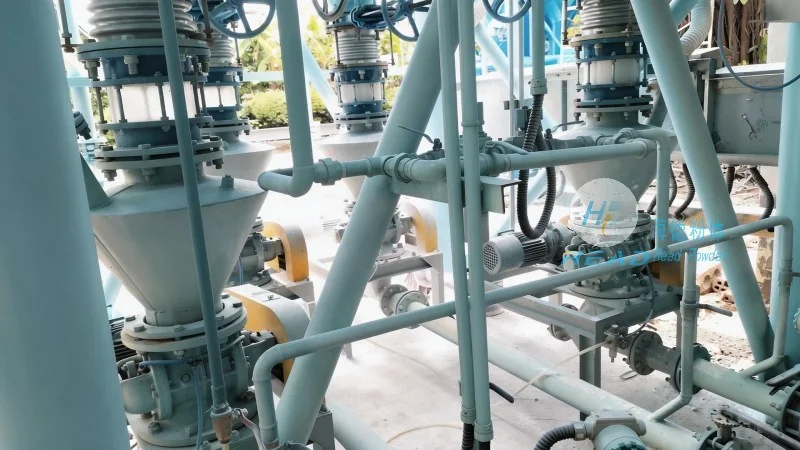
Introduction to Gypsum and Its Transport Needs
Gypsum, also known as calcium sulfate dihydrate, is a soft sulfate mineral that is commonly used in the production of plaster, drywall, and other building materials. Its fine, powdery nature makes it susceptible to dust generation and caking, which can impact the effectiveness of transport systems. Therefore, choosing an appropriate transport method is essential to prevent material degradation and ensure consistent performance. The transport of gypsum involves moving it from storage areas to processing facilities, production lines, or distribution centers, often over varying distances and through different environments.
About Shandong HeadPowder Engineering Co., Ltd.
Shandong HeadPowder Engineering Co., Ltd., commonly known as HeadPowder, is a leading manufacturer specializing in material handling equipment and solutions for the gypsum industry. HeadPowder is headquartered in Shandong, China, and has a strong focus on innovation and customer satisfaction. The company's expertise in engineering and manufacturing ensures that its products are durable, efficient, and tailored to the unique challenges of handling gypsum. HeadPowder's commitment to quality and reliability has made it a trusted partner for businesses in the construction and industrial sectors.
Common Methods for Gypsum Transport
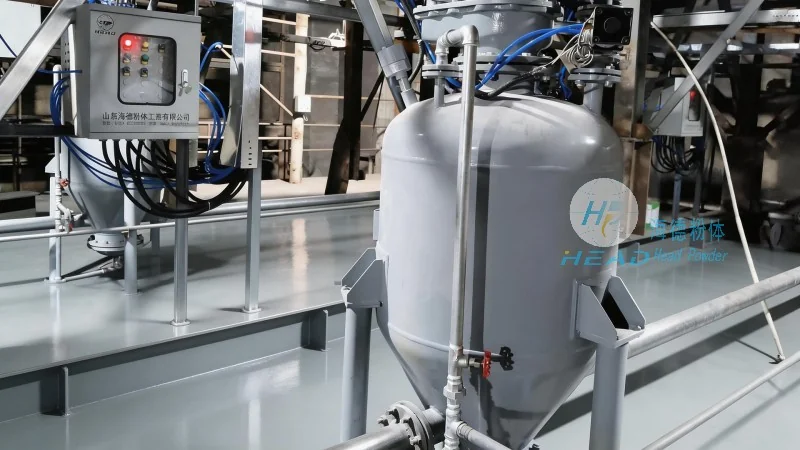
The most common methods for transporting gypsum include belt conveyors, screw conveyors, pneumatic conveying systems, and bucket elevators. Each method has its own advantages and is suitable for different applications based on factors such as distance, material characteristics, and operational requirements.
Belt Conveyors for Gypsum Transport
Belt conveyors are one of the most widely used methods for transporting gypsum due to their high capacity, low maintenance, and ability to handle large volumes of material over long distances. These systems consist of a continuous belt that moves over rollers or pulleys, carrying the gypsum from the source to the destination. Belt conveyors are particularly effective for horizontal and slightly inclined transport, making them ideal for moving gypsum from storage silos to processing plants or for long-distance transport in industrial settings.
Screw Conveyors for Gypsum Transport
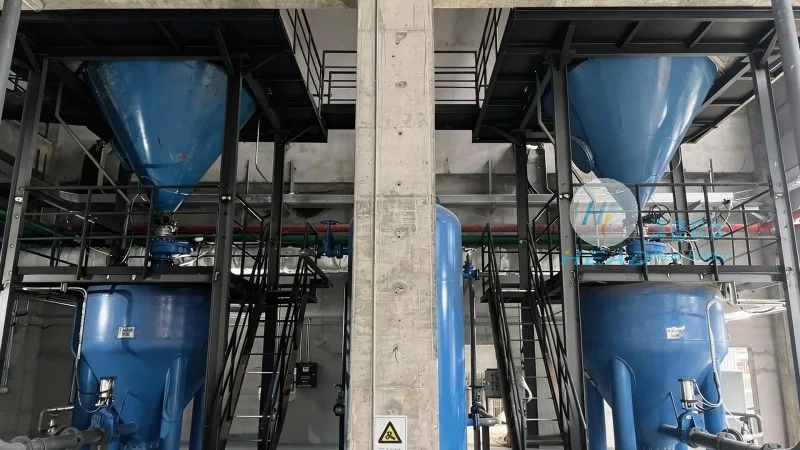
Screw conveyors, also known as auger conveyors, are another common method for transporting gypsum, especially in applications requiring vertical or inclined transport. These systems use a rotating screw (auger) to move the material along a tube or trough. Screw conveyors are suitable for handling fine gypsum powders and can be used in both horizontal and vertical configurations. They are often preferred for their compact design and ability to handle materials with high moisture content, as the screw action helps to prevent caking and maintain material flow.
Pneumatic Conveying Systems for Gypsum Transport
Pneumatic conveying systems use air pressure to transport gypsum in a closed system, making them ideal for applications where dust control and contamination prevention are critical. These systems can be classified into two main types: pressure and vacuum. Pressure systems use compressed air to push the material through a pipeline, while vacuum systems use suction to draw the material from the source. Pneumatic conveying is particularly effective for transporting fine gypsum powders over medium to long distances, and it can be integrated with other processing equipment to create a seamless material handling solution.
Bucket Elevators for Gypsum Transport
Bucket elevators are used for vertical transport of gypsum, especially in applications where the material needs to be lifted to a higher elevation. These systems consist of a vertical or inclined conveyor with buckets attached to a chain or belt that moves the material upward. Bucket elevators are capable of handling large volumes of gypsum and are commonly used in industrial settings where vertical transport is required, such as in the production of gypsum products or in material storage facilities.
Choosing the Right Gypsum Transport Method
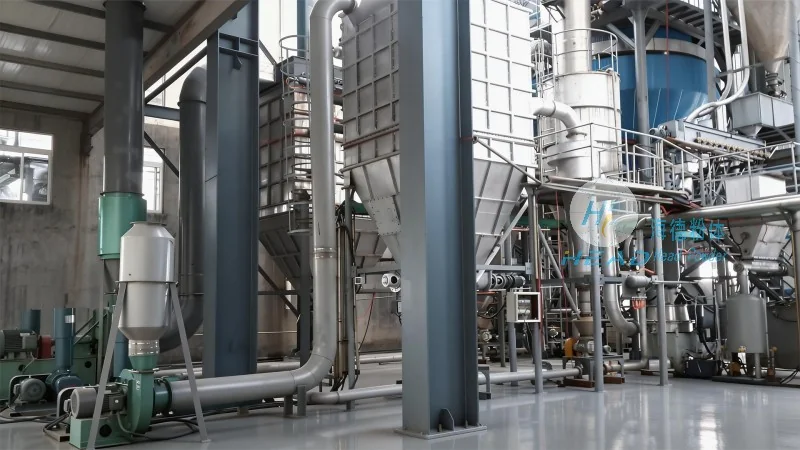
When selecting a gypsum transport method, several factors should be considered, including the distance of transport, the material's physical properties, the required capacity, and the operational environment. Belt conveyors are often the first choice for long-distance horizontal transport due to their high efficiency and low cost. Screw conveyors are preferred for vertical or inclined transport, especially when handling fine powders. Pneumatic conveying systems are ideal for applications requiring dust control and contamination prevention, while bucket elevators are suitable for vertical lifting. By evaluating these factors and understanding the capabilities of each transport method, businesses can choose the most appropriate solution for their gypsum handling needs.
Conclusion
In conclusion, the efficient transport of gypsum is essential for maintaining product quality and operational efficiency in construction and industrial applications. Common methods such as belt conveyors, screw conveyors, pneumatic conveying systems, and bucket elevators each offer unique advantages and are suitable for different scenarios. Shandong HeadPowder Engineering Co., Ltd. provides high-quality material handling equipment tailored to the specific needs of gypsum transport, ensuring that businesses can optimize their processes and achieve reliable performance. By understanding the characteristics of each transport method and selecting the appropriate solution, companies can enhance their productivity and meet the demands of the gypsum industry.

 Shandong Headpowder Engineering Co., Ltd.
 156-6277-7102(Quản lý Trương)
  0531-83386006
  Thành phố Tế Nam, Tỉnh Sơn Đông, Trung Quốc
Điện thoại
WeChatTư vấn
Lên đầu