Với hơn 10 năm kinh nghiệm về vận chuyển khí nén, Headpowder Sơn Đông cung cấp hệ thống, thiết bị và quạt gió toàn chuỗi, đảm nhận các dự án kỹ thuật bột trọn gói trên toàn quốc.
Inorganic salt crystals are widely used in various industrial applications, and their efficient transportation is crucial for maintaining production efficiency. The methods used for transporting these crystals vary depending on factors such as the size and shape of the crystals, the volume to be moved, and the distance involved. This article explores several common methods for inorganic salt crystal transportation, highlighting their advantages and applications.
1. Bulk Handling and Conveying Systems
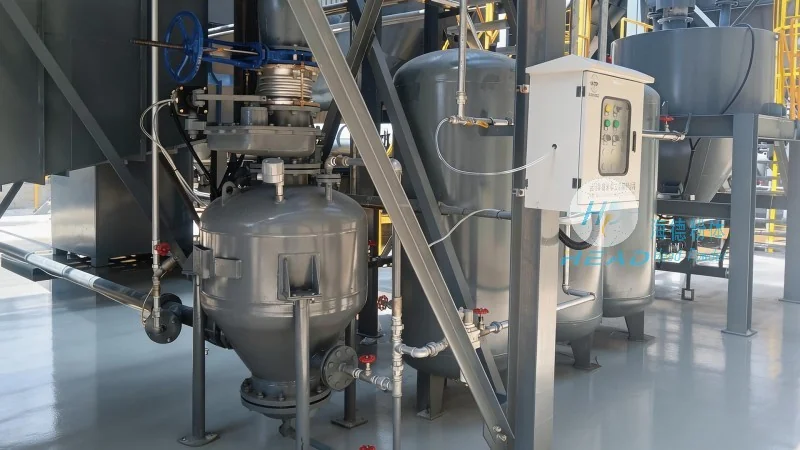
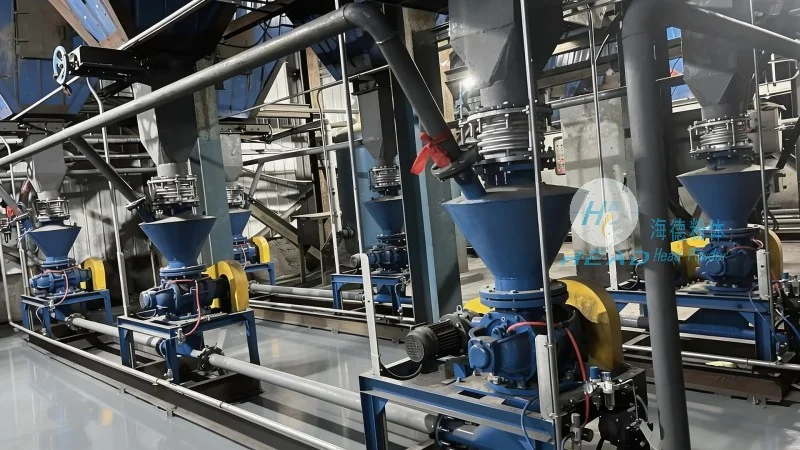
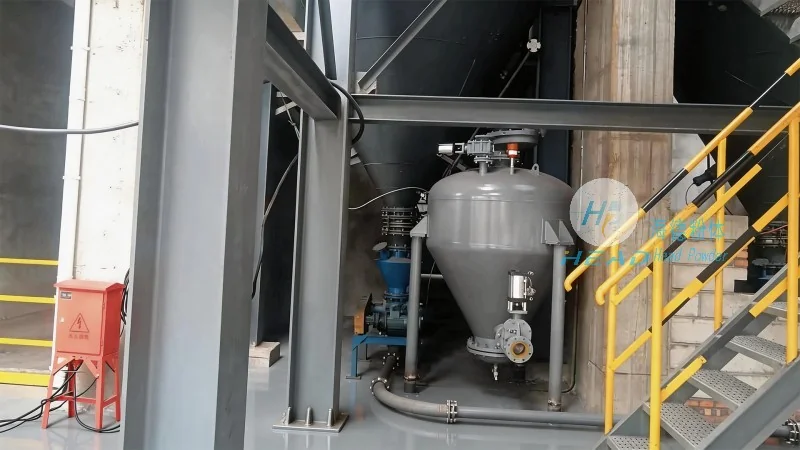
Bulk handling systems are among the most common methods for transporting inorganic salt crystals in large quantities. These systems typically include conveyor belts, screw conveyors, and pneumatic conveying lines. Conveyor belts are ideal for horizontal or slight incline transport over short to medium distances, providing a continuous and reliable movement of the crystals. Screw conveyors are suitable for vertical or inclined transport, allowing for the elevation of the crystals from one level to another, which is particularly useful in multi-level processing facilities. Pneumatic conveying systems use air pressure to move the crystals through a pipeline, which is especially effective for fine or dusty crystals that may be prone to clogging in mechanical systems. This method offers a dust-free and enclosed transport solution, minimizing the risk of contamination and loss.
2. Bulk Bag and Container Handling
For the transportation of inorganic salt crystals in bulk, bulk bags or containers are frequently utilized. These containers are designed to hold large volumes of material and are commonly used in industrial settings for both storage and transport. The process typically involves loading the crystals into the bulk bag or container at the source, and then transporting them to the destination via trucks or other transportation vehicles. At the receiving end, the material is discharged into a storage silo or processing equipment. This method is particularly advantageous for transporting crystals over longer distances, as it minimizes the risk of spillage and loss during transit. It also allows for easy handling and unloading at the destination, making it a preferred choice for many industrial operations.
3. Pumping and Fluidized Bed Systems
In some applications, inorganic salt crystals may be transported using pumping systems, especially when the crystals are suspended in a liquid or slurry. Centrifugal pumps or positive displacement pumps can be used to move the crystal suspension through pipelines. This method is often employed in processes where the crystals need to be mixed with other liquids or where the crystals are being transported as part of a slurry system, such as in mining or chemical processing. Fluidized bed systems, on the other hand, involve the use of a fluidizing medium (usually air or gas) to keep the crystals in a suspended state, allowing for the transport of the material through a bed of particles. This technique is effective for maintaining the uniformity of the crystal size and preventing agglomeration during transport.
4. Specialized Handling Equipment
Specialized equipment such as bucket elevators, chain conveyors, and vibrating feeders are also used for the transportation of inorganic salt crystals. Bucket elevators are particularly effective for vertical transport of bulk materials, including crystals, and can handle large volumes with minimal maintenance. They are commonly used in facilities where the crystals need to be elevated from ground level to processing equipment. Chain conveyors are versatile and can be used for both horizontal and inclined transport, making them suitable for various industrial applications. Vibrating feeders use vibrations to move the crystals along a conveyor surface, which is effective for materials that are prone to sticking or for controlling the flow rate of the material. This method ensures a consistent and controlled feed of the crystals to downstream equipment.
5. Environmental and Safety Considerations
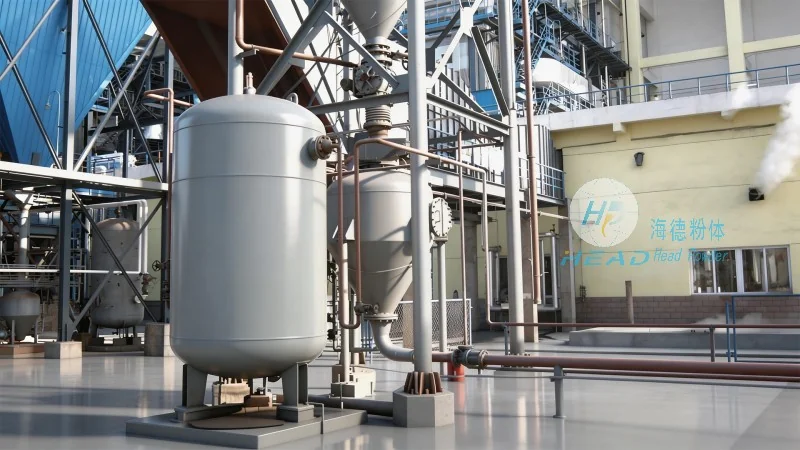
When selecting a method for inorganic salt crystal transportation, it is essential to consider environmental and safety factors. Dust control measures are critical, as many inorganic salts can generate dust that may be harmful to workers and the environment. Enclosed systems and dust collection equipment are commonly used to minimize dust emissions and ensure compliance with environmental regulations. Additionally, the material handling equipment must be designed to prevent the buildup of static electricity, which can be a fire hazard in some applications, especially when dealing with flammable liquids or gases. Proper ventilation and protective equipment for workers are also important considerations to ensure a safe working environment and to protect against potential health risks associated with the crystals.
6. Company Profile: Shandong HeadPowder Engineering Co., Ltd.
Shandong HeadPowder Engineering Co., Ltd., commonly known as HeadPowder, is a leading provider of solutions for the transportation and handling of inorganic salt crystals. With a strong focus on innovation and quality, the company offers a range of equipment and systems tailored to the specific needs of its clients. HeadPowder's expertise in bulk handling and material processing ensures that clients receive reliable and efficient solutions for their crystal transportation requirements. The company's facilities are located in Shandong, China, where it continues to develop and improve its products to meet the evolving demands of the industry. HeadPowder's commitment to customer satisfaction and technical excellence has established it as a trusted partner in the field of inorganic salt crystal transportation.

 Shandong Headpowder Engineering Co., Ltd.
 156-6277-7102(Quản lý Trương)
  0531-83386006
  Thành phố Tế Nam, Tỉnh Sơn Đông, Trung Quốc
Điện thoại
WeChatTư vấn
Lên đầu