Với hơn 10 năm kinh nghiệm về vận chuyển khí nén, Headpowder Sơn Đông cung cấp hệ thống, thiết bị và quạt gió toàn chuỗi, đảm nhận các dự án kỹ thuật bột trọn gói trên toàn quốc.
Chicken essence, a crucial ingredient in numerous culinary preparations, demands efficient and reliable conveying systems to maintain its quality and consistency from production to storage or processing. The process of transporting chicken essence involves various methods, each with distinct advantages and considerations. This article examines the common methods used for chicken essence conveying, focusing on the key factors that influence the selection of an appropriate system.
Introduction to Conveying Systems for Chicken Essence
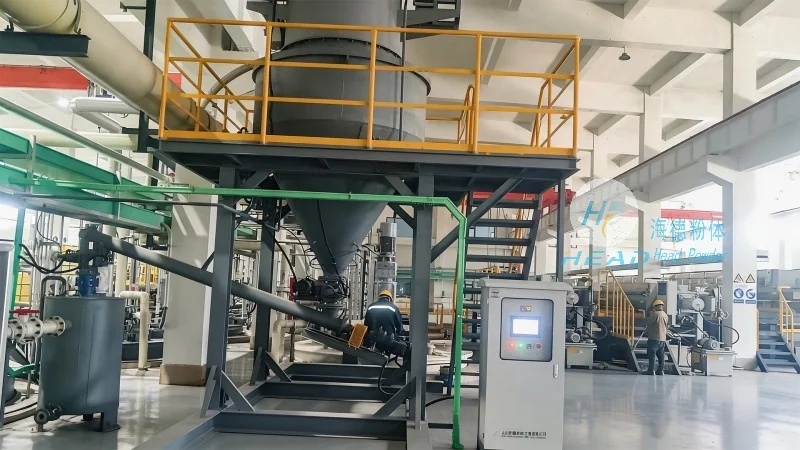
Understanding the fundamental requirements for handling chicken essence is essential before discussing specific conveying methods. This ingredient is typically in a liquid or semi-liquid state, with properties that require gentle handling to preserve its flavor, aroma, and nutritional value. Conveying systems must therefore minimize turbulence, shear, and temperature fluctuations that could degrade the product. The choice of method depends on several factors, including the viscosity of the chicken essence, the volume to be transported, the distance involved, and the available infrastructure at the facility.
Common Conveying Methods for Chicken Essence
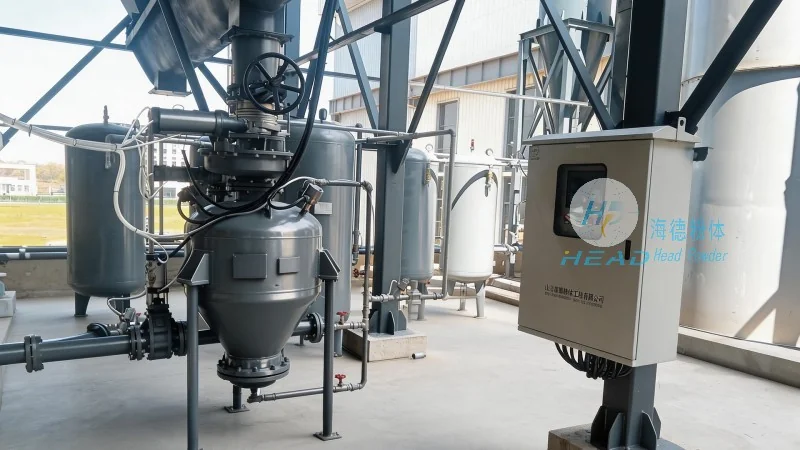
Several methods are commonly employed for transporting chicken essence, each suited to different operational needs and product characteristics. The primary methods include gravity flow, mechanical pumping, and pneumatic conveying systems. Each method has distinct operational principles and is selected based on the specific requirements of the chicken essence being handled.
Gravity Flow Conveying
Gravity flow, also known as static conveying, relies on the natural force of gravity to move chicken essence through a system of pipes or troughs. This method is often used for relatively low-viscosity chicken essence and over short distances. The system typically consists of an elevated feed hopper that allows the essence to flow downward into a receiving tank or processing unit. The key advantage of gravity flow is its simplicity and low energy consumption, as it does not require external power sources. However, it is limited by the need for a sufficient vertical drop and horizontal incline to ensure smooth flow, and it may not be suitable for high-viscosity or particulate-laden products.
Mechanical Pumping Systems
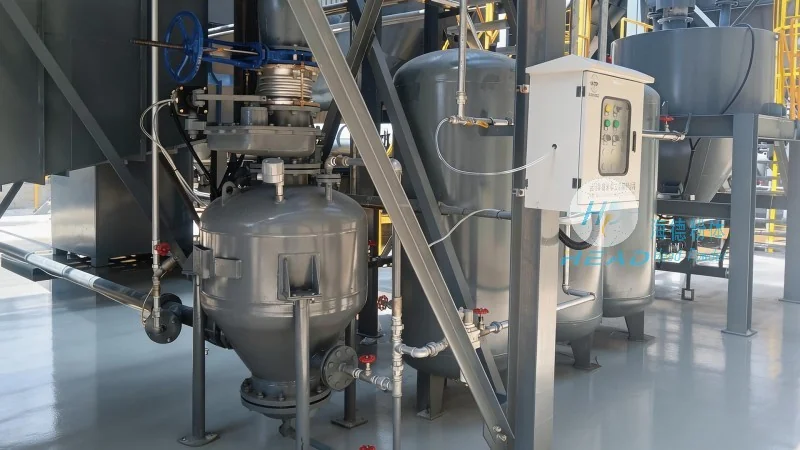
Mechanical pumping systems utilize pumps to actively transport chicken essence through a pipeline. These systems are highly versatile and can handle a wide range of viscosities, from low to high, and can operate over longer distances. The most common types of pumps used for chicken essence include centrifugal pumps, positive displacement pumps, and diaphragm pumps. Centrifugal pumps are suitable for low to medium viscosity liquids and are efficient for high-volume applications. Positive displacement pumps, such as rotary lobe or gear pumps, are ideal for handling high-viscosity or shear-sensitive products, as they provide consistent flow rates and minimal shear. Diaphragm pumps, on the other hand, are often used for more delicate or viscous materials, as they offer gentle handling and can operate at low speeds.
Pneumatic Conveying Systems
Pneumatic conveying systems use compressed air or other gases to transport chicken essence through a pipeline. This method is particularly effective for handling fine powders or granules mixed with the liquid essence, as well as for moving the essence over longer distances or through complex layouts. There are two main types of pneumatic conveying: pressure and vacuum. Pressure systems use compressed air to push the material through the pipeline, while vacuum systems use a vacuum to draw the material into the line. Pneumatic conveying offers advantages such as the ability to handle both liquid and solid components in a single system and the flexibility to integrate with existing infrastructure. However, it requires careful control of air pressure and flow rates to prevent product degradation and ensure efficient transport.
Selection Criteria for Conveying Methods
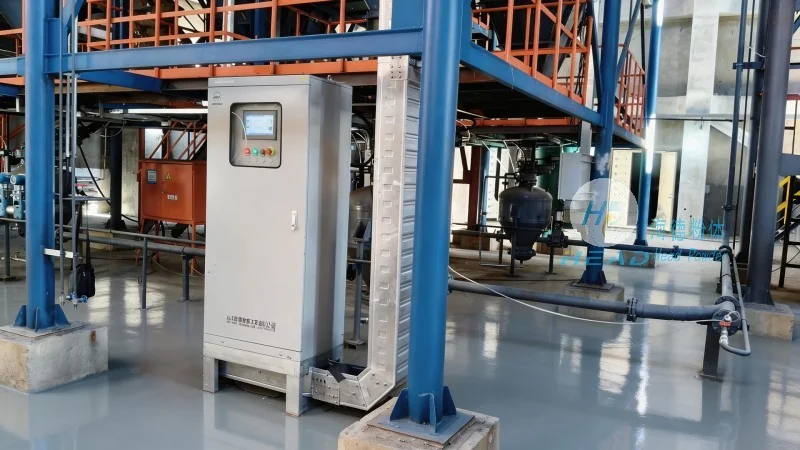
The selection of an appropriate conveying method for chicken essence is a critical decision affecting operational efficiency, product quality, and overall cost. Several key criteria should be considered when evaluating different options. First, the viscosity of the chicken essence is a primary factor, as higher viscosities may require more powerful pumps or specialized equipment. Second, the volume and flow rate requirements must be matched to the capacity of the conveying system to avoid bottlenecks or underutilization. Third, the distance and layout of the facility play a role, as some methods are better suited for short distances while others can handle longer runs. Fourth, the need for gentle handling is paramount, especially for products sensitive to shear or temperature changes. Finally, the cost of installation, maintenance, and energy consumption should be considered to ensure the chosen system is economically viable.
Conclusion
In conclusion, the conveying of chicken essence involves a range of methods, each with its own advantages and limitations. Gravity flow is suitable for low-viscosity products over short distances, while mechanical pumping systems offer versatility for various viscosities and flow rates. Pneumatic conveying provides flexibility for handling both liquid and solid components and can accommodate longer distances. The optimal choice depends on the specific characteristics of the chicken essence and the operational requirements of the facility. By carefully evaluating these factors, manufacturers can select an efficient and effective conveying system that preserves the quality of their product and enhances overall operational performance.

 Shandong Headpowder Engineering Co., Ltd.
 156-6277-7102(Quản lý Trương)
  0531-83386006
  Thành phố Tế Nam, Tỉnh Sơn Đông, Trung Quốc
Điện thoại
WeChatTư vấn
Lên đầu