Với hơn 10 năm kinh nghiệm về vận chuyển khí nén, Headpowder Sơn Đông cung cấp hệ thống, thiết bị và quạt gió toàn chuỗi, đảm nhận các dự án kỹ thuật bột trọn gói trên toàn quốc.
When it comes to the efficient and safe transportation of food products within processing facilities, selecting the right conveying method is crucial. Various options are available, each designed to handle specific types of food materials and operational requirements. Understanding these common food conveying methods can help businesses optimize their production lines and ensure compliance with food safety regulations.
1. Belt Conveyors for Food Processing
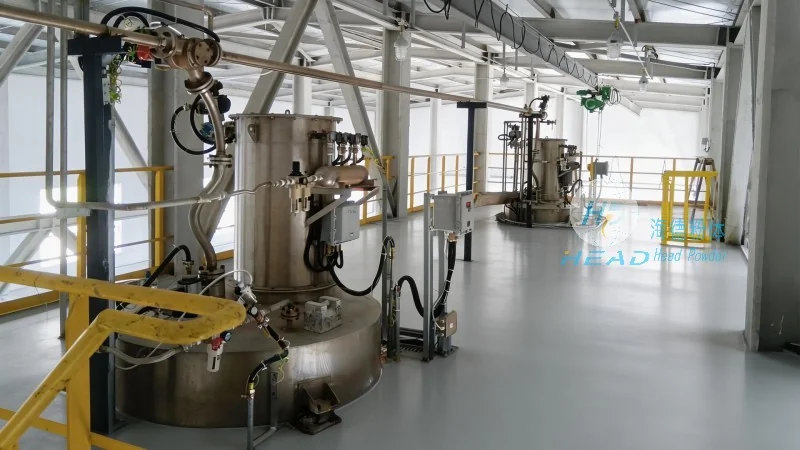
Belt conveyors are one of the most widely used systems in the food industry. These systems utilize a continuous loop of belt material, typically made from food-grade rubber or plastic, to move products from one point to another. The design allows for gentle handling of delicate food items, such as fruits, vegetables, and packaged goods, minimizing the risk of damage. Belt conveyors can be customized with different belt widths, speeds, and incline angles to suit various production needs. For example, headpowder specializes in manufacturing high-quality belt conveyor systems tailored for food processing applications, ensuring durability and compliance with hygiene standards.
2. Screw Conveyors for Bulk Food Materials
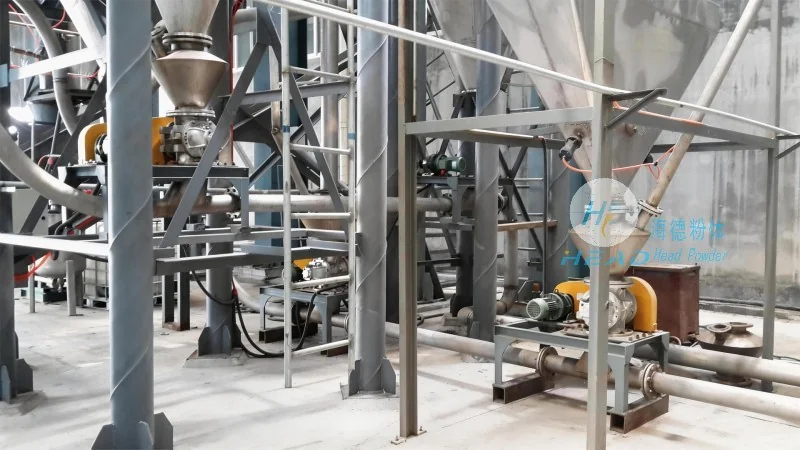
Screw conveyors, also known as auger conveyors, are ideal for transporting bulk food materials like grains, powders, and granules. These systems consist of a rotating screw (auger) inside a cylindrical tube, which pushes the material forward as it rotates. Screw conveyors are self-contained and can operate in vertical or horizontal configurations, making them versatile for different layouts. They are particularly effective for handling dry, free-flowing materials and can be equipped with discharge chutes or hoppers for seamless integration into production lines. Headpowder offers robust screw conveyor solutions that are easy to clean and maintain, essential for maintaining food safety in processing environments.
3. Pneumatic Conveying Systems for Dusty or Powdery Foods
Pneumatic conveying systems use air pressure to transport food materials, especially those that are dusty, powdery, or require minimal contact with equipment. These systems consist of a pipeline network with air movers (blowers) and material feeders. The material is carried by a stream of air, which can be either positive or negative pressure, depending on the application. Pneumatic conveyors are excellent for transporting materials over long distances or through multiple processing stages without the need for multiple transfer points. Headpowder provides advanced pneumatic conveying solutions that ensure efficient and hygienic transport of sensitive food products, such as spices or powdered ingredients.
4. Chain and Flight Conveyors for Heavy or Irregular Products
Chain and flight conveyors are designed for handling heavier or irregularly shaped food products that may not be suitable for belt or screw systems. These conveyors use a series of metal chains with attached flights (flights are flat plates that move the product) to transport items. The system can be configured with different chain speeds and flight spacing to accommodate various product sizes and weights. Chain and flight conveyors are commonly used for moving packaged goods, such as boxes or cans, through sorting, inspection, or packaging stages. Headpowder manufactures durable chain and flight conveyor systems that are built to withstand the demands of heavy-duty food processing operations, ensuring reliable performance and long service life.
5. Vibrating Conveyors for Gentle Material Handling
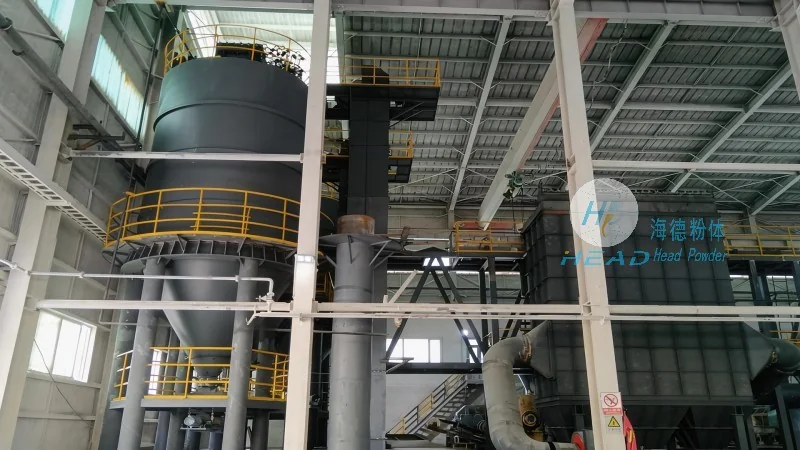
Vibrating conveyors use vibrations to move food materials along a trough or conveyor bed. The system consists of a conveyor surface that is connected to a vibration source, typically an electric motor with an unbalanced weight. The vibrations cause the material to move forward in a controlled manner, minimizing impact and friction. Vibrating conveyors are ideal for handling delicate or fragile food items, such as baked goods or fresh produce, as they provide gentle transport without causing damage. These systems can also be used for sorting or screening materials based on size or density. Headpowder offers vibrating conveyor solutions that are designed for low noise operation and easy cleaning, making them suitable for food processing environments where hygiene is paramount.
Conclusion: Choosing the Right Food Conveying System
Selecting the appropriate food conveying method depends on several factors, including the type of food product, production volume, facility layout, and safety requirements. Each conveying system has its strengths and limitations, and the right choice will enhance operational efficiency, reduce downtime, and ensure product quality. Headpowder, with its expertise in food processing equipment, provides customized conveying solutions that meet the specific needs of food manufacturers. By partnering with headpowder, businesses can optimize their production lines and achieve higher productivity while maintaining the highest standards of food safety and hygiene.

 Shandong Headpowder Engineering Co., Ltd.
 156-6277-7102(Quản lý Trương)
  0531-83386006
  Thành phố Tế Nam, Tỉnh Sơn Đông, Trung Quốc
Điện thoại
WeChatTư vấn
Lên đầu