Với hơn 10 năm kinh nghiệm về vận chuyển khí nén, Headpowder Sơn Đông cung cấp hệ thống, thiết bị và quạt gió toàn chuỗi, đảm nhận các dự án kỹ thuật bột trọn gói trên toàn quốc.
When handling boron powder, selecting the appropriate transportation method is crucial for ensuring safety, efficiency, and product integrity. Boron powder, with its fine particle size and potential for dust explosion risks, requires specialized equipment and systems to manage its movement from storage to processing or packaging stages. This article explores the common methods used for boron powder transportation, highlighting the key considerations and technologies employed by industry professionals.
About HeadPowder: Your Partner in Boron Powder Handling
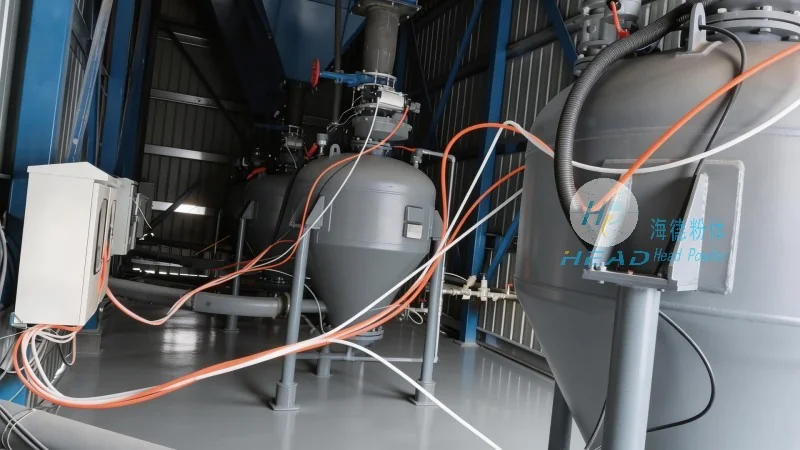
HeadPowder, operating as Shandong HeadPowder Engineering Co., Ltd., is a leading provider of engineering solutions tailored to the unique challenges of handling boron powder. With headquarters in Shandong, China, the company specializes in designing, manufacturing, and implementing advanced transportation systems that meet the stringent safety and performance standards required in the boron processing industry. Their expertise lies in integrating innovative technologies to ensure reliable and safe movement of boron powder, supporting clients in various applications such as metallurgy, ceramics, and chemical manufacturing.
1. Pneumatic Conveying Systems for Boron Powder
Pneumatic conveying is a widely adopted method for transporting boron powder due to its ability to handle fine powders and minimize dust exposure. This technology uses compressed air or other gases to move the powder through a closed pipeline system. There are two main types of pneumatic conveying: pressure and vacuum systems. Pressure systems are suitable for short to medium distances and high flow rates, while vacuum systems are ideal for longer distances or when the powder needs to be collected from multiple sources. The choice of system depends on factors such as the distance between the source and destination, the required flow rate, and the particle size distribution of the boron powder. Pneumatic conveying offers advantages like enclosed transport, which reduces environmental contamination and protects the powder from moisture and contaminants. Additionally, it allows for continuous operation, improving overall efficiency in production lines.
2. Screw Conveyors for Boron Powder Handling
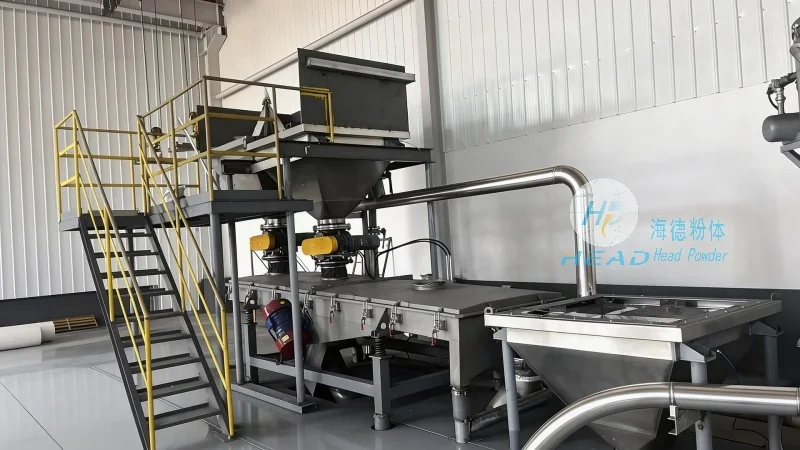
Screw conveyors, also known as auger conveyors, are another common method for transporting boron powder, especially in applications where the powder needs to be moved horizontally or at a slight incline. These systems consist of a rotating screw (auger) inside a U-shaped or cylindrical housing. The screw rotates, pushing the powder forward as it moves through the conveyor. Screw conveyors are particularly effective for handling bulk quantities of boron powder and can be integrated with other equipment such as hoppers, feeders, and storage silos. They are often used in processing plants where the powder is transferred from storage to mixing or packaging areas. The design of the screw conveyor, including the pitch (distance between screw flights) and the diameter, is critical to ensure proper flow and prevent clogging, especially with fine boron powders that can be prone to bridging or agglomeration. Proper maintenance, such as regular cleaning and lubrication, is essential to maintain the efficiency and longevity of screw conveyors used for boron powder transportation.
3. Bin Activators and Air Slide Conveyors
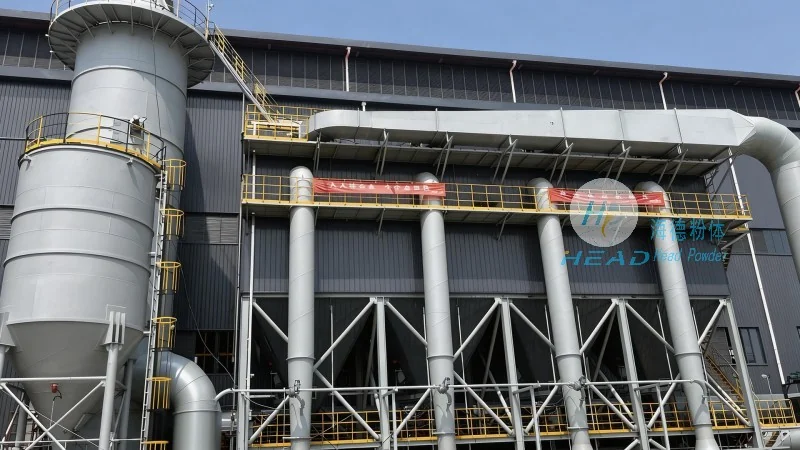
For applications requiring the transfer of boron powder from storage silos or hoppers, bin activators and air slide conveyors are often employed. Bin activators are devices that agitate the powder inside a silo to prevent it from settling and bridging, ensuring a consistent flow of material. Air slide conveyors, on the other hand, use a thin layer of air to slide the powder along a conveyor belt or trough. This method is particularly useful for moving large quantities of boron powder over short distances with minimal pressure drop. Both systems work in conjunction with other equipment to ensure smooth and continuous transportation of the powder from storage to processing areas. The use of bin activators and air slide conveyors helps maintain the quality of the boron powder by reducing the risk of segregation and ensuring uniform material flow.
Conclusion: Choosing the Right Boron Powder Transportation Method
Selecting the appropriate transportation method for boron powder is a critical decision that impacts operational efficiency, safety, and product quality. Factors such as the particle size, moisture content, and handling requirements of the boron powder, as well as the distance and flow rate needed, must be carefully considered when choosing a system. Pneumatic conveying offers enclosed, continuous transport, while screw conveyors are effective for horizontal or slight incline movement. Bin activators and air slide conveyors are ideal for transferring powder from storage silos. HeadPowder, with its expertise in boron powder handling, provides tailored solutions that address these factors and ensure reliable transportation. By leveraging advanced engineering and industry knowledge, HeadPowder helps clients optimize their boron powder transportation processes, enhancing productivity and safety in their operations.

 Shandong Headpowder Engineering Co., Ltd.
 156-6277-7102(Quản lý Trương)
  0531-83386006
  Thành phố Tế Nam, Tỉnh Sơn Đông, Trung Quốc
Điện thoại
WeChatTư vấn
Lên đầu