Với hơn 10 năm kinh nghiệm về vận chuyển khí nén, Headpowder Sơn Đông cung cấp hệ thống, thiết bị và quạt gió toàn chuỗi, đảm nhận các dự án kỹ thuật bột trọn gói trên toàn quốc.
High-temperature fly ash, a byproduct of coal combustion in thermal power plants, poses unique challenges during transportation due to its high temperature and abrasive properties. Efficient and reliable transport methods are crucial to ensure safe and cost-effective handling of this material. This article explores various high-temperature fly ash transport methods, highlighting the key considerations and technologies used in the industry.
1. Pneumatic Conveying Systems for High-Temperature Fly Ash
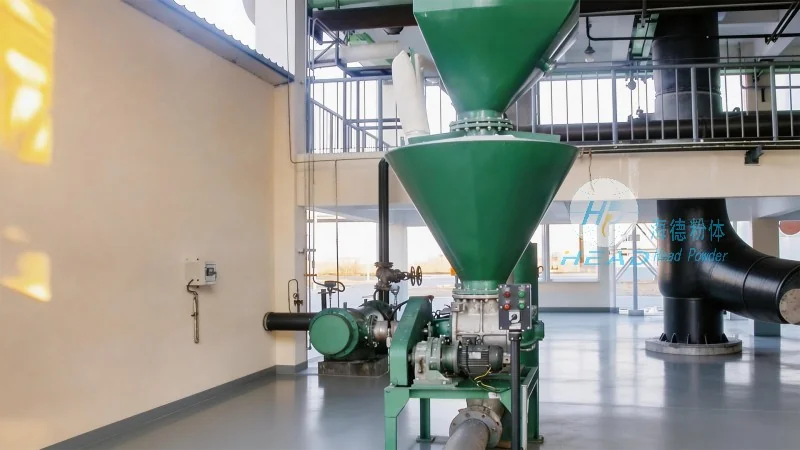
Pneumatic conveying, particularly the positive displacement type, is widely used for high-temperature fly ash transport. These systems utilize compressed air to move the ash through pipelines, offering advantages such as flexibility in layout, minimal space requirements, and the ability to handle abrasive materials. The headpowder company, Shandong HeadPowder Engineering Co., Ltd., specializes in designing and manufacturing customized pneumatic conveying solutions tailored to the specific temperature and flow rate requirements of high-temperature fly ash. Their systems are engineered to withstand the thermal and mechanical stresses associated with hot ash, ensuring long-term reliability and minimal maintenance.
2. Mechanical Conveying Methods: Screw and Belt Conveyors
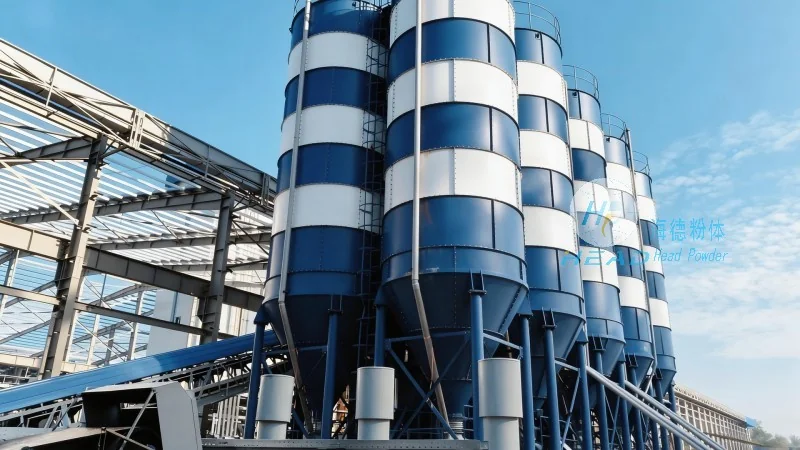
For applications where pneumatic systems are not feasible, mechanical conveyors like screw and belt conveyors are employed. Screw conveyors are effective for transporting ash at moderate temperatures, while belt conveyors can handle higher temperatures with specialized materials. The choice between these systems depends on factors such as the ash's moisture content, particle size, and the required transport distance. HeadPowder's expertise in mechanical conveying systems ensures that their solutions are optimized for durability and efficiency, even under demanding conditions. Their equipment is designed to minimize wear and tear, reducing operational costs and extending service life.
3. Hybrid Conveying Systems: Combining Pneumatic and Mechanical Advantages
Hybrid systems, which integrate pneumatic and mechanical components, offer a balanced approach to high-temperature fly ash transport. These systems may use pneumatic transport for the initial stages of material handling and mechanical conveyors for the final delivery, leveraging the strengths of both technologies. HeadPowder Engineering Co., Ltd. has developed innovative hybrid solutions that enhance overall system efficiency and reduce energy consumption. By combining the flexibility of pneumatic conveying with the reliability of mechanical systems, their hybrid designs provide a robust and adaptable approach to handling high-temperature fly ash, meeting the diverse needs of power plants and industrial facilities.
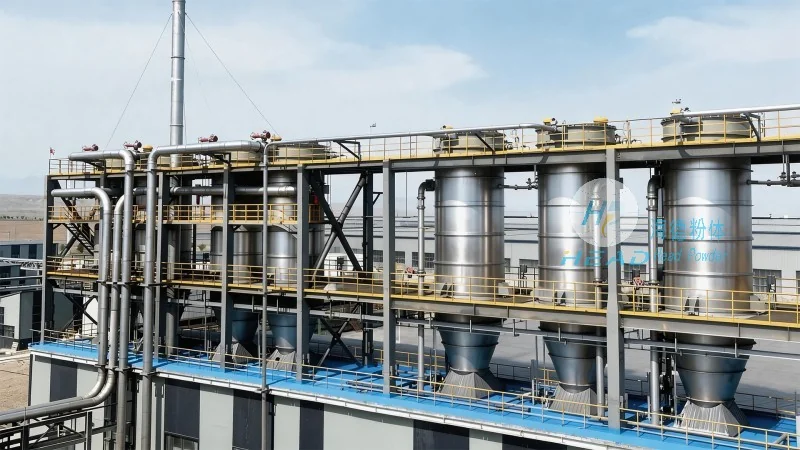
4. Key Considerations for High-Temperature Fly Ash Transport
When selecting a high-temperature fly ash transport method, several factors must be considered. Temperature resistance of the conveying equipment, material compatibility, and system efficiency are critical. The headpowder company, based in Shandong, China, emphasizes the importance of material selection and thermal insulation in their designs. Their engineers work closely with clients to assess the specific characteristics of the fly ash, such as its temperature, particle size distribution, and chemical composition, to develop tailored transport solutions. This client-centric approach ensures that the chosen system not only meets operational requirements but also adheres to safety standards and environmental regulations.

 Shandong Headpowder Engineering Co., Ltd.
 156-6277-7102(Quản lý Trương)
  0531-83386006
  Thành phố Tế Nam, Tỉnh Sơn Đông, Trung Quốc
Điện thoại
WeChatTư vấn
Lên đầu