Với hơn 10 năm kinh nghiệm về vận chuyển khí nén, Headpowder Sơn Đông cung cấp hệ thống, thiết bị và quạt gió toàn chuỗi, đảm nhận các dự án kỹ thuật bột trọn gói trên toàn quốc.
When it comes to processing sesame seeds, efficient and reliable conveying systems are crucial for maintaining product quality and operational efficiency. Sesame seeds, with their delicate texture and high oil content, require specialized equipment to handle them without damage or contamination. The choice of conveying method depends on factors such as seed size, moisture content, and the overall production scale. In this article, we explore the various types of sesame conveying methods used in industrial settings, with a focus on the solutions provided by Shandong HeadPowder Engineering Co., Ltd., a leading manufacturer in the field.
Gravity Conveying Systems
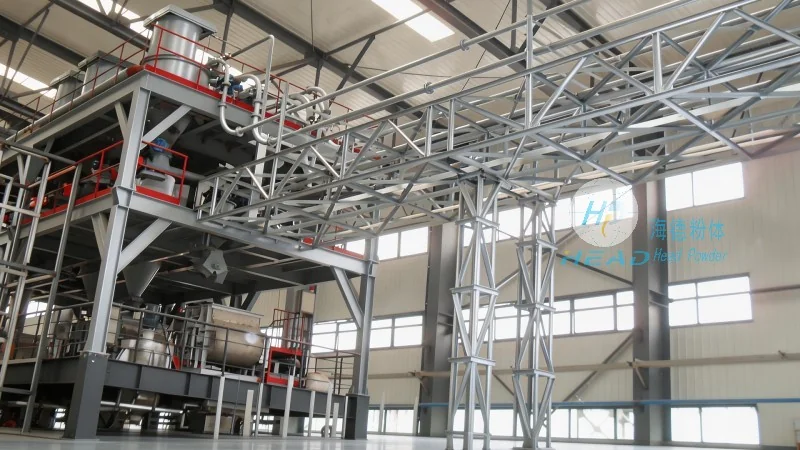
Gravity conveying is a simple yet effective method for moving sesame seeds over short distances. This system utilizes the natural force of gravity to transport seeds from one level to another. The equipment typically consists of sloped chutes or troughs that allow seeds to slide down under their own weight. For small-scale operations or when the elevation change is minimal, gravity conveyors are an economical choice. They are particularly useful in situations where the seed flow is consistent and the distance is short, such as moving seeds from a hopper to a processing machine. The design of gravity conveyors is straightforward, with minimal moving parts, which reduces maintenance requirements and operational costs. However, their effectiveness is limited by the need for a suitable slope and the absence of significant vertical or horizontal distance changes.
Mechanical Conveying Methods
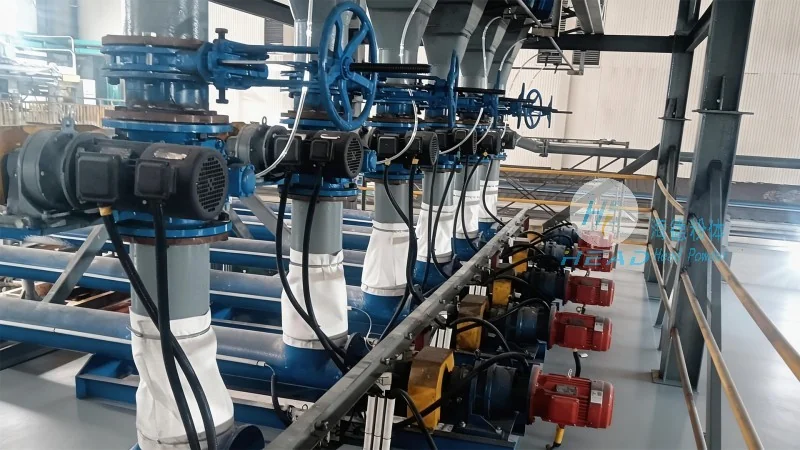
For larger production volumes and more complex layouts, mechanical conveying systems are often preferred. These systems use motors and mechanical components to move sesame seeds. The most common types include belt conveyors, screw conveyors, and bucket elevators. Belt conveyors are versatile and can handle a wide range of seed sizes and shapes. They consist of a continuous belt that moves over rollers, transporting seeds from one point to another. This method is ideal for horizontal or slightly inclined transport, ensuring a steady flow of seeds. Screw conveyors, also known as augers, use a rotating screw to push seeds forward. They are particularly effective for vertical or inclined transport, as the screw can lift seeds to higher levels. The design of screw conveyors allows for compact installation and efficient use of space, making them suitable for facilities with limited floor area. Bucket elevators, on the other hand, use a series of buckets attached to a chain or belt to lift seeds vertically. This method is highly efficient for moving seeds over long vertical distances, with minimal energy consumption. Each bucket picks up seeds at the bottom and releases them at the top, ensuring a continuous flow. Mechanical conveying systems offer greater control over the speed and direction of seed movement, which is essential for maintaining product quality and preventing damage.
Pneumatic Conveying Systems
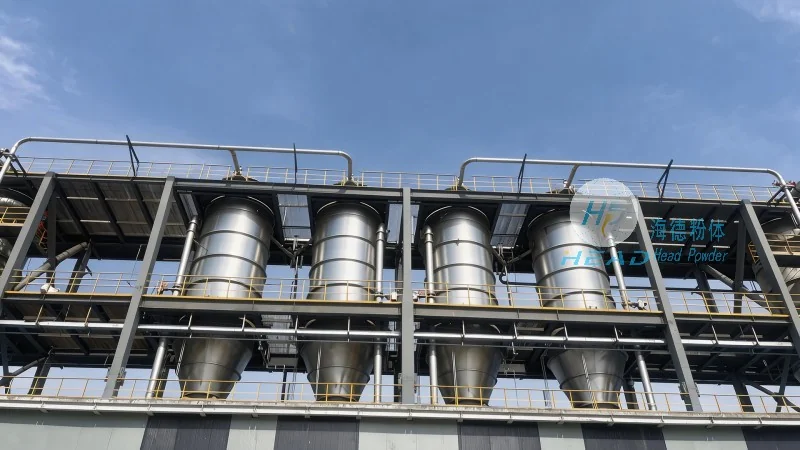
Pneumatic conveying, also known as air conveying, uses compressed air to transport sesame seeds. This method is particularly useful for handling fine or dusty seeds, as it can prevent contamination and ensure a clean transfer. The system consists of a pipeline network with inlets and outlets, connected to a blower or compressor. Seeds are introduced into the pipeline, and compressed air pushes them along the line. Pneumatic conveyors can be either positive or negative pressure systems. Positive pressure systems blow air and seeds into the pipeline, while negative pressure systems create a vacuum to draw seeds into the line. The choice between the two depends on the distance and the type of seed being conveyed. Pneumatic conveying is highly effective for long-distance transport, as it can move seeds over several hundred meters without the need for multiple transfer points. However, it requires careful design to prevent air leaks and ensure consistent flow. The equipment used in pneumatic conveying systems includes filters, cyclones, and dust collectors to maintain air quality and prevent seed loss. This method is particularly suitable for facilities that require a clean and hygienic environment, such as food processing plants.
Hybrid Conveying Solutions
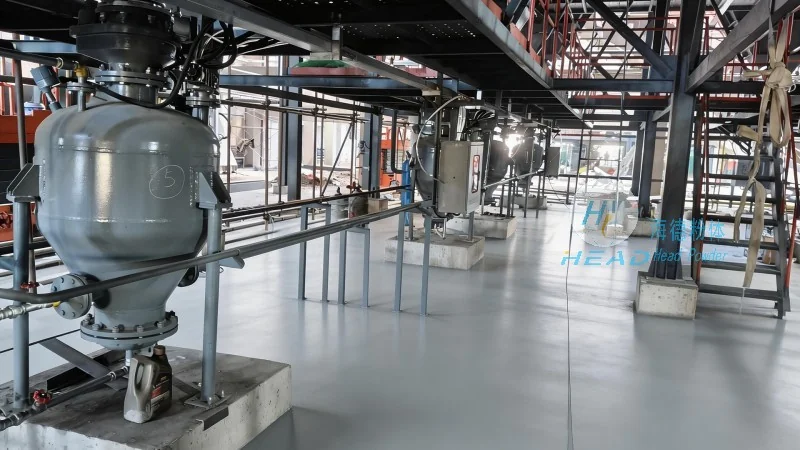
In many industrial settings, a combination of different conveying methods is used to achieve optimal efficiency. Hybrid systems often integrate gravity, mechanical, and pneumatic components to address the specific needs of the production line. For example, a system might use a gravity conveyor to move seeds from a hopper to a screw conveyor, which then transports them to a pneumatic line for final processing. This approach allows for flexibility and adaptability, as each component can be adjusted to handle different seed characteristics or production volumes. Hybrid conveying solutions are particularly useful in facilities with complex layouts or varying production demands. They provide the ability to customize the conveying process, ensuring that seeds are handled safely and efficiently throughout the entire production cycle. The integration of multiple systems also allows for better control over the flow rate and direction of seeds, reducing the risk of bottlenecks or delays. By combining the strengths of different conveying methods, hybrid systems offer a comprehensive solution for sesame seed processing, meeting the demands of modern industrial operations.

 Shandong Headpowder Engineering Co., Ltd.
 156-6277-7102(Quản lý Trương)
  0531-83386006
  Thành phố Tế Nam, Tỉnh Sơn Đông, Trung Quốc
Điện thoại
WeChatTư vấn
Lên đầu